As a professional who works with kids of all abilities, I’m often asked about neurodivergence. It’s a term that’s gained traction recently, but many parents are still unsure what it means or which conditions it encompasses. Neurodivergence refers to variations in the human brain regarding sociability, learning, attention, mood, and other mental functions. It’s not about disorder or disease, but about difference. In this article, I’ll break down the what disorders are neurodivergent and how I encounter them in my work. Understanding these can help you better support your child and appreciate the unique ways their mind works.
Table of Contents
1. Attention Deficit Hyperactivity Disorder (ADHD)
ADHD is one of the most common neurodivergent conditions I see in my practice. It’s characterized by difficulty focusing, hyperactivity, and impulsiveness that goes beyond typical childish behavior.
Kids with ADHD often struggle to sit still, follow instructions, or complete tasks. But they also tend to be incredibly creative, energetic, and passionate about their interests. I’ve worked with ADHD children who could hyperfocus on building elaborate Lego structures for hours or come up with ingenious solutions to problems that stumped their peers.
2. Autism Spectrum Disorder (ASD)
Autism is another well-known neurodivergent condition. It’s a spectrum disorder, which means it affects everyone differently. Generally, autism involves challenges with social interaction, communication, and repetitive behaviors or interests.
I’ve had the privilege of working with many autistic children, and their unique perspectives never cease to amaze me. One young boy I worked with could name every dinosaur species and recite facts about each one. Another had an incredible talent for music, able to play complex pieces by ear after hearing them just once.
Goally | The Tablet for Neurodiverse Kids

3. Dyslexia
Dyslexia is a learning difference that primarily affects reading and writing skills. It’s not related to intelligence – many dyslexic individuals are highly intelligent and creative.
In my experience, dyslexic kids often excel in areas like problem-solving and visual thinking. I remember a dyslexic student who struggled with reading but could build intricate 3D models from memory. With the right support, these children can thrive academically and professionally.
4. Dyscalculia
Dyscalculia is to math what dyslexia is to reading. It involves difficulty understanding number-related concepts and performing mathematical calculations.
However, individuals with dyscalculia often have strengths in other areas. I’ve worked with dyscalculic kids who were brilliant storytellers or had an exceptional understanding of spatial relationships. It’s crucial to recognize that struggling with math doesn’t define their overall abilities.
5. Tourette Syndrome
Tourette Syndrome is characterized by repetitive, involuntary movements and vocalizations called tics. It’s often misunderstood, but it’s an important part of the neurodivergent spectrum.
Children with Tourette’s often display remarkable resilience and creativity. I’ve seen kids develop impressive coping strategies and use their experiences to educate others about neurodiversity. Many also excel in areas like music, art, or sports.

Read more: Is Tourettes Neurodivergent?
6. Obsessive-Compulsive Disorder (OCD)
OCD involves persistent, intrusive thoughts (obsessions) and repetitive behaviors or mental acts (compulsions). While it can be challenging, many individuals with OCD also demonstrate unique strengths.
In my work, I’ve noticed that children with OCD often have exceptional attention to detail and strong organizational skills. One student I worked with used her tendency towards order to become an excellent event planner for school functions.
7. Sensory Processing Disorder (SPD)
SPD affects how the brain processes sensory information. Some individuals may be oversensitive to stimuli, while others may be undersensitive.
Despite the challenges, kids with SPD often develop heightened abilities in certain areas. I’ve worked with children who could detect subtle changes in their environment that others missed, or who had an extraordinary sense of touch that made them gifted in tactile arts.

8. Bipolar Disorder
Bipolar disorder involves extreme mood swings between manic and depressive episodes. While it presents challenges, many individuals with bipolar disorder also experience periods of intense creativity and productivity.
I’ve seen kids with bipolar disorder channel their experiences into powerful artwork or writing. Their unique emotional experiences often lead to deep empathy and insight into human nature.
9. Synesthesia
Synesthesia is a fascinating condition where one sensory or cognitive pathway leads to automatic, involuntary experiences in another pathway. For example, someone might see colors when they hear music.
While not typically considered a disorder, synesthesia is a form of neurodivergence that can bring unique gifts. I’ve worked with synesthetic children who used their ability to create stunning artwork or develop innovative memory techniques.
10. Developmental Coordination Disorder (DCD)
Also known as dyspraxia, DCD affects fine and/or gross motor coordination. While it can make physical tasks challenging, many individuals with DCD have strengths in other areas.
I’ve observed that kids with DCD often develop excellent problem-solving skills as they find creative ways to navigate their environment. Many also excel in verbal communication and creative thinking.
Goally | Apps To Support Child Development
Looking for fun ways to help your child learn life skills? Try Goally! The Goally tablet comes with award-winning learning apps and video classes to help kids develop the skills they need to become independent with FUN & evidence-based practices.
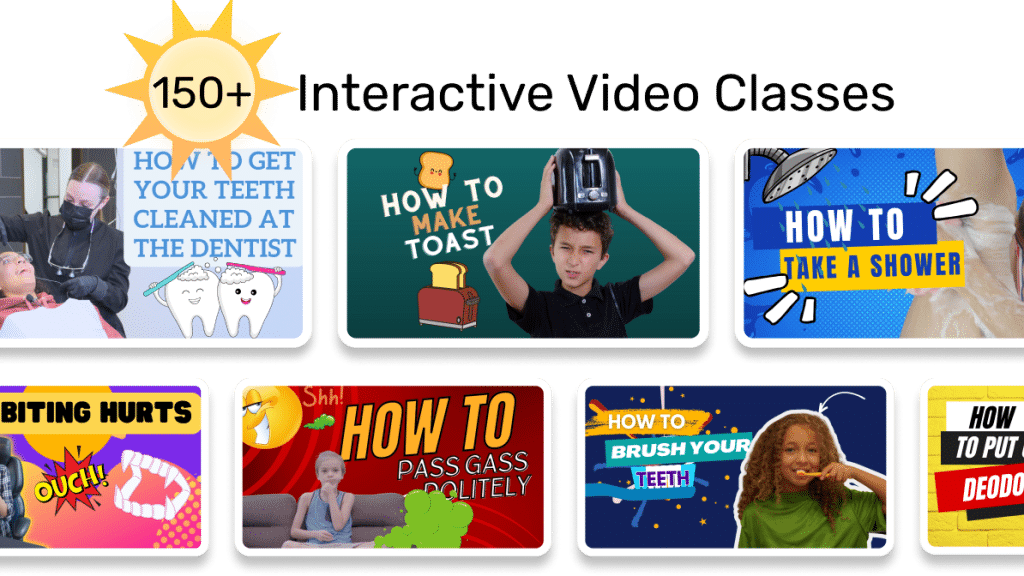
Our apps teach executive function, language, emotional regulation, finger dexterity skills, and more.
As your child develops new skills, you can increase the difficulty level of the tasks in the app to challenge and motivate them even further. This helps your child grow and progress at their own pace, while also keeping them engaged and excited about their development.

Understanding what disorders are neurodivergent is crucial for parents, educators, and society at large. Each of these differences brings its own set of challenges, but also unique strengths and perspectives. By recognizing and nurturing these strengths, we can help neurodivergent individuals thrive. Remember, neurodiversity isn’t about deficits – it’s about differences. And those differences can be incredible sources of creativity, innovation, and human potential.
Helpful Resources
FAQ’s About What Disorders Are Neurodivergent
What is neurodivergence?
Neurodivergence refers to variations in brain function and behavioral traits that differ from societal norms.

Which conditions are considered neurodivergent?
Common neurodivergent conditions include ADHD, autism, dyslexia, dyscalculia, and Tourette syndrome.

Is ADHD a neurodivergent disorder?
Yes, ADHD is a well-recognized form of neurodivergence.

Can neurodivergent conditions coexist?
Many neurodivergent conditions can co-occur, a phenomenon known as neurodevelopmental pluralism.

Are all learning disabilities considered neurodivergent?
While many learning disabilities are forms of neurodivergence, not all neurodivergent conditions are classified as learning disabilities.

Emily is a seasoned blog writer for Goally, leveraging her extensive background in child psychology and special education to provide valuable insights and resources for parents. Her commitment to understanding and addressing the unique needs of these children, combined with her expertise in educational strategies, makes her a credible and empathetic voice for families.