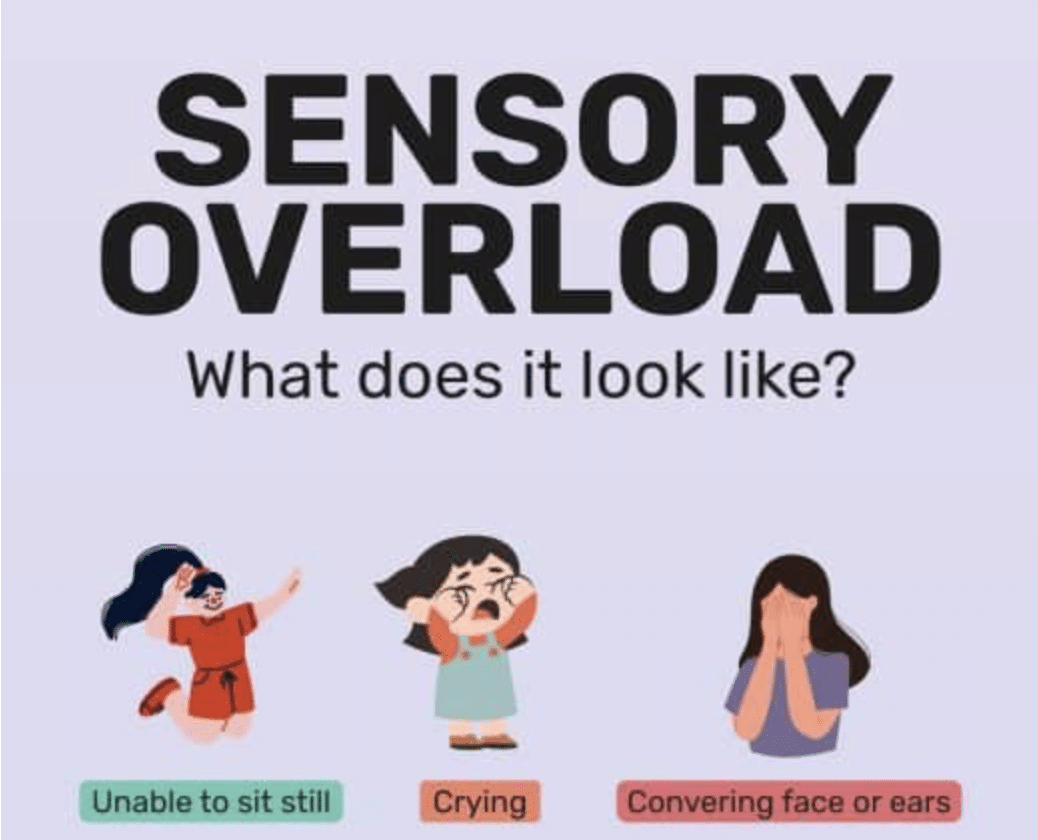
Panic disorder is when someone gets sudden, intense feelings of fear or anxiety. These feelings come from nowhere and can be very scary, but they’re not harmful. They often happen because of everyday stress.



Panic disorder is when someone gets sudden, intense feelings of fear or anxiety. These feelings come from nowhere and can be very scary, but they’re not harmful. They often happen because of everyday stress.


How is panic disorder diagnosed?
A diagnosis typically involves a mental health professional evaluating the individual’s symptoms, medical history, and ruling out other medical conditions. Diagnostic criteria, as outlined in the DSM-5, are often used.
Can children develop panic disorder?
Yes, children and adolescents can develop panic disorder. It’s important to recognize the signs early and seek appropriate professional help to manage the condition.
Are there lifestyle changes that can help with panic disorder?
Absolutely, lifestyle changes can make a significant difference. Regular exercise, a healthy diet, stress reduction techniques like meditation, and getting enough sleep can all contribute to better managing panic disorder.
Can panic disorder co-occur with other mental health conditions?
Yes, panic disorder often co-occurs with other conditions like depression or generalized anxiety disorder. This is known as comorbidity and may require a tailored treatment approach addressing all conditions simultaneously. Consulting a mental health professional is essential for proper management.


Panic disorder is a type of anxiety disorder marked by repeated, unexpected panic attacks. These attacks are characterized by intense fear and physical symptoms such as a racing heart, shortness of breath, and dizziness. According to the National Institute of Mental Health, about 2-3% of people in the U.S. experience panic disorder at some point in their lives.

Panic disorder can be overwhelming, but understanding its symptoms is the first step to managing it. Here are the key signs to look for:
| Symptom | Description |
|---|---|
| Sudden Fear | Panic attacks come on fast, causing intense fear or dread. |
| Fast Heartbeat | Your heart races, feeling like it’s pounding out of control. |
| Shortness of Breath | Breathing becomes difficult like you can’t catch your breath. |
| Sweating | Profuse sweating, even in relaxed environments, is common. |
| Shaking or Trembling | Your body may shake or tremble uncontrollably. |
| Chest Pain | Chest tightness or pain can be mistaken for a heart problem. |
| Feeling Dizzy | You might get lightheaded or feel like you’ll faint. |
| Nausea or Upset Stomach | Digestive issues can accompany panic attacks. |
These symptoms often peak within minutes and can be accompanied by a fear of losing control, going crazy, or dying. Kids may worry about future panic attacks and avoid situations where attacks have occurred.
This post was originally published on Sept. 26, 2023. It was updated on June 14, 2024.