Trusted by 100,000+ Families

What is Interoception?

Home>>Neurodiversopedia>>I Terms

Summary

summary

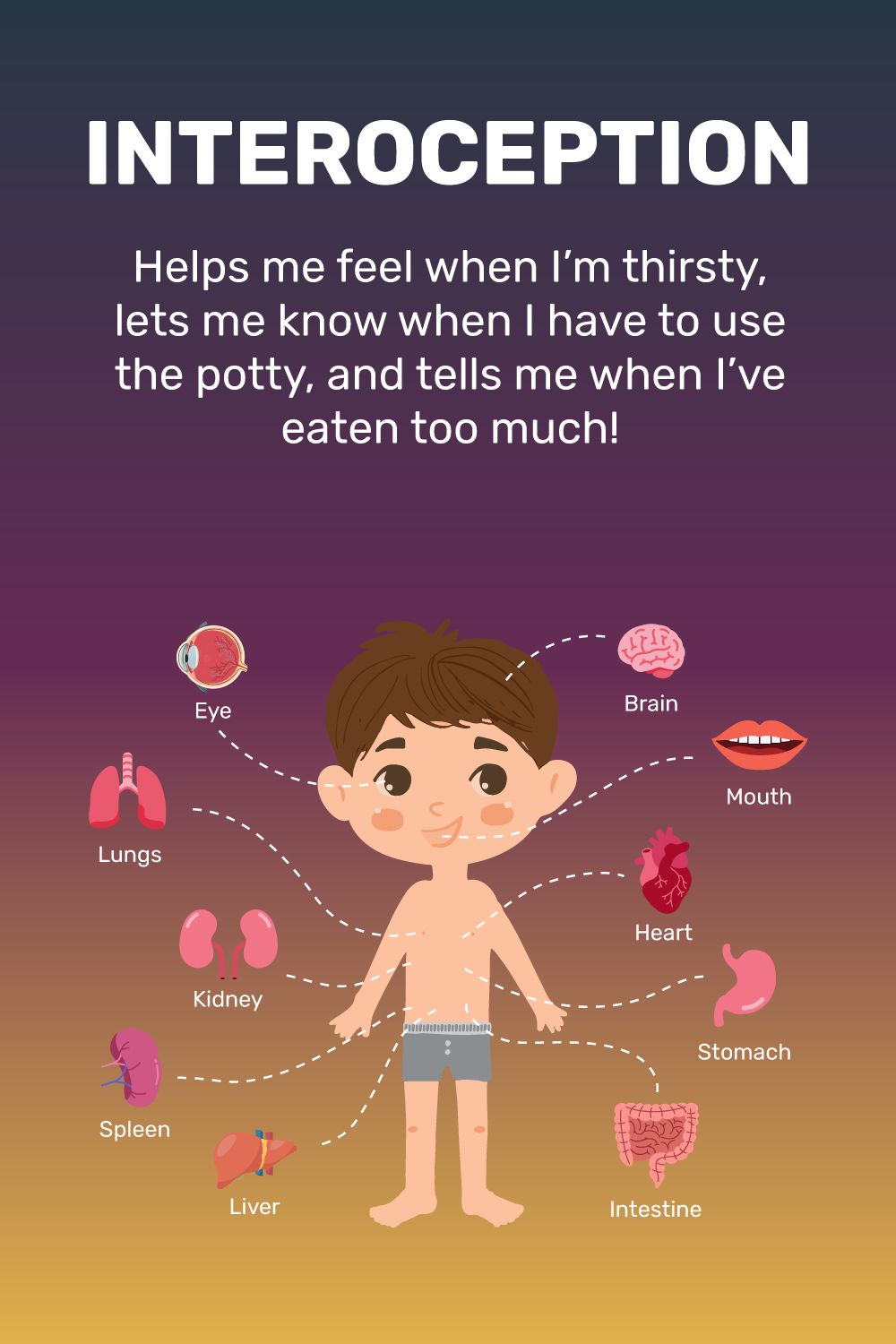
Interoception is a sense that helps us understand what’s happening inside our bodies, like hunger or thirst. Some kids with special needs may need extra help to understand these signals, and adults can use tools or techniques to help them do this. This allows the kids to take care of themselves and stay healthy.

Frequently Asked Question

donut

Why is interoception important?

Interoception is important because it helps us understand and regulate our body’s signals, which is crucial for maintaining our physical and emotional well-being.

What are the signs of poor interoception?

Signs of poor interoception include difficulty recognizing hunger, thirst, or the need to use the bathroom, difficulty regulating emotions, and difficulty managing physical pain or discomfort.

How can interoception be improved?

Interoception can be improved through practices like mindfulness, body scans, and mindful breathing, which can help individuals become more aware of their body’s signals and respond accordingly. Additionally, therapy or counseling can help individuals who struggle with interoception.

Are there specific interventions for interoception challenges?

Yes, interventions may include activities like yoga, deep breathing, and mindfulness, as well as occupational and speech therapy to tailor strategies for individual needs.

Scientific Definition

scientist

Receptors in your muscles and joints inform you of the position of your body parts, forming the foundation of your proprioceptive sense. This sense helps you understand where your body is in space. For example, when you take a step, you instinctively know your foot is off the ground without having to think about it. Kids with poor proprioception struggle with this awareness.

Treatment to Help with the Symptom Interoception

When it comes to addressing interoception difficulties, there are various strategies and interventions that can make a positive impact. Let’s explore some hypothetical scenarios to illustrate how to treat the symptoms of interoception:

  • Implement sensory-based activities: Engage in activities that promote sensory awareness, such as yoga, deep breathing exercises, or sensory play with different textures, to help children tune into their internal sensations.
  • Use visual supports: Create visual cues, like charts or diagrams, to help children understand and interpret their body’s signals, such as hunger, thirst, or the need to use the bathroom.
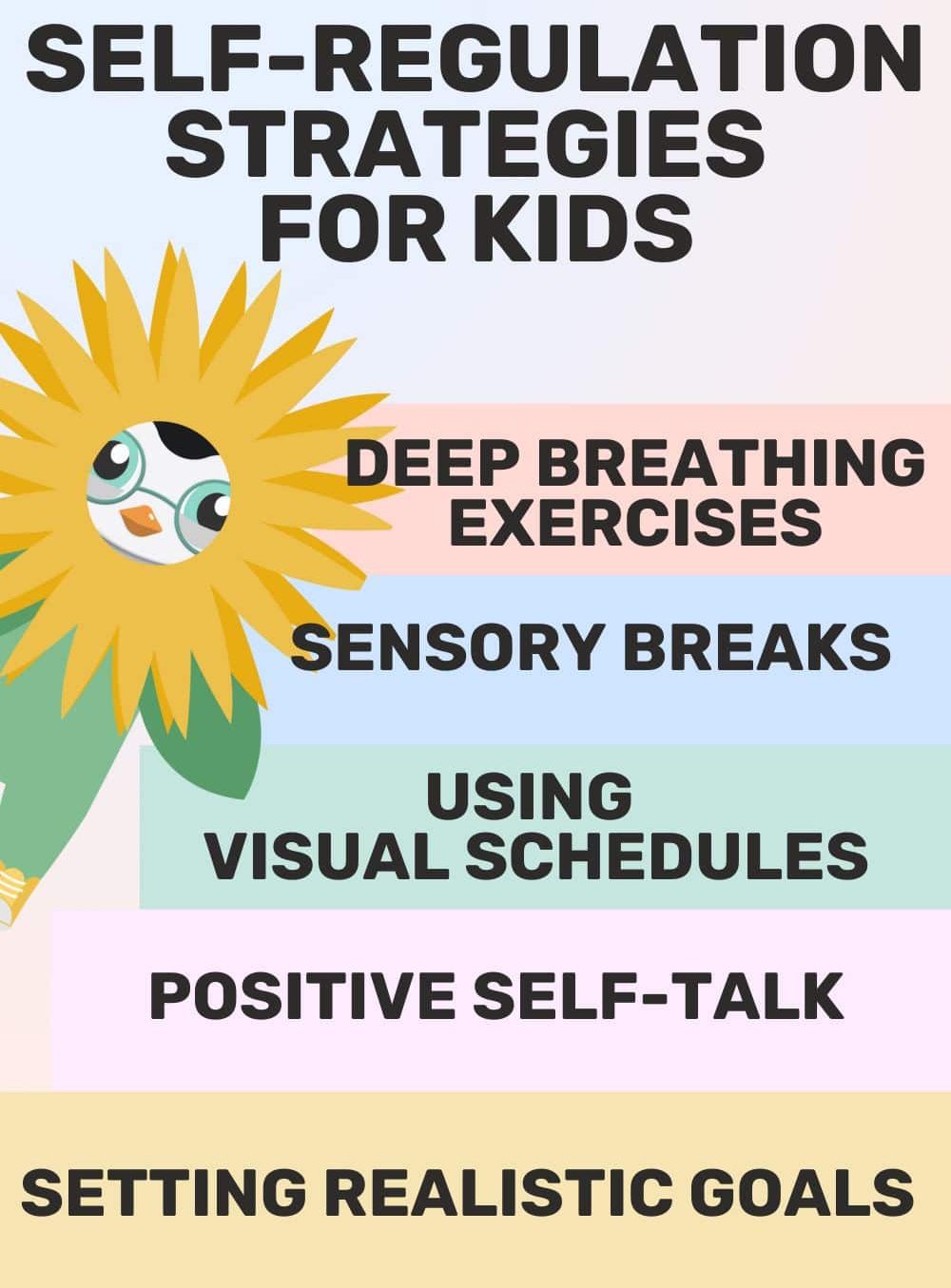
  • Practice self-regulation techniques: Teach children techniques like mindfulness or progressive muscle relaxation to enhance their ability to regulate their emotions and physical responses.
  • Integrate therapy services: Occupational therapy and speech therapy can play a significant role in supporting interoception development through tailored interventions and strategies.

With early intervention and consistent support, children with interoception challenges can make significant progress in understanding and responding to their body’s internal signals.

Conditions Associated with Interoception

Interoception is a crucial sensory system that allows us to perceive and understand our body’s internal signals. Here are some conditions associated with interoception:

  • Autism spectrum disorder (ASD): Individuals with ASD often experience difficulties in interoceptive awareness, which can affect their ability to recognize and respond to internal bodily sensations.
  • Sensory processing disorder (SPD): People with SPD may struggle with interoception, causing challenges in recognizing and interpreting internal cues, such as hunger, thirst, or discomfort.
  • Anxiety disorders: Individuals with anxiety disorders may have impaired interoceptive awareness, making it harder for them to detect and manage physical symptoms associated with anxiety, like increased heart rate or rapid breathing.
  • Eating disorders: Conditions like anorexia nervosa or bulimia nervosa can affect interoceptive awareness, leading to disturbances in hunger and fullness cues.
  • Chronic pain conditions: Interoceptive difficulties can contribute to the experience of chronic pain, as individuals may struggle to accurately interpret and respond to pain signals.

Recognizing and addressing these challenges can support individuals in better understanding and responding to their body’s internal signals for improved self-regulation and overall well-being.


This post was originally published on Feb. 10, 2023. It was updated on August 02,2024.