Emotional imbalance is when a person has trouble dealing with life in a healthy way. Their emotions might be too strong or weak, making it hard for them to think clearly and feel balanced.



Emotional imbalance is when a person has trouble dealing with life in a healthy way. Their emotions might be too strong or weak, making it hard for them to think clearly and feel balanced.


What causes emotional imbalance?
Emotional imbalance can be caused by various factors, including stress, trauma, hormonal changes, and underlying mental health conditions.
What are the symptoms of emotional imbalance?
Symptoms may include mood swings, irritability, anxiety, depression, difficulty concentrating, and changes in appetite or sleep patterns.
How is emotional imbalance diagnosed?
Diagnosis involves a comprehensive assessment of symptoms, medical history, and sometimes psychological evaluations conducted by a healthcare professional.
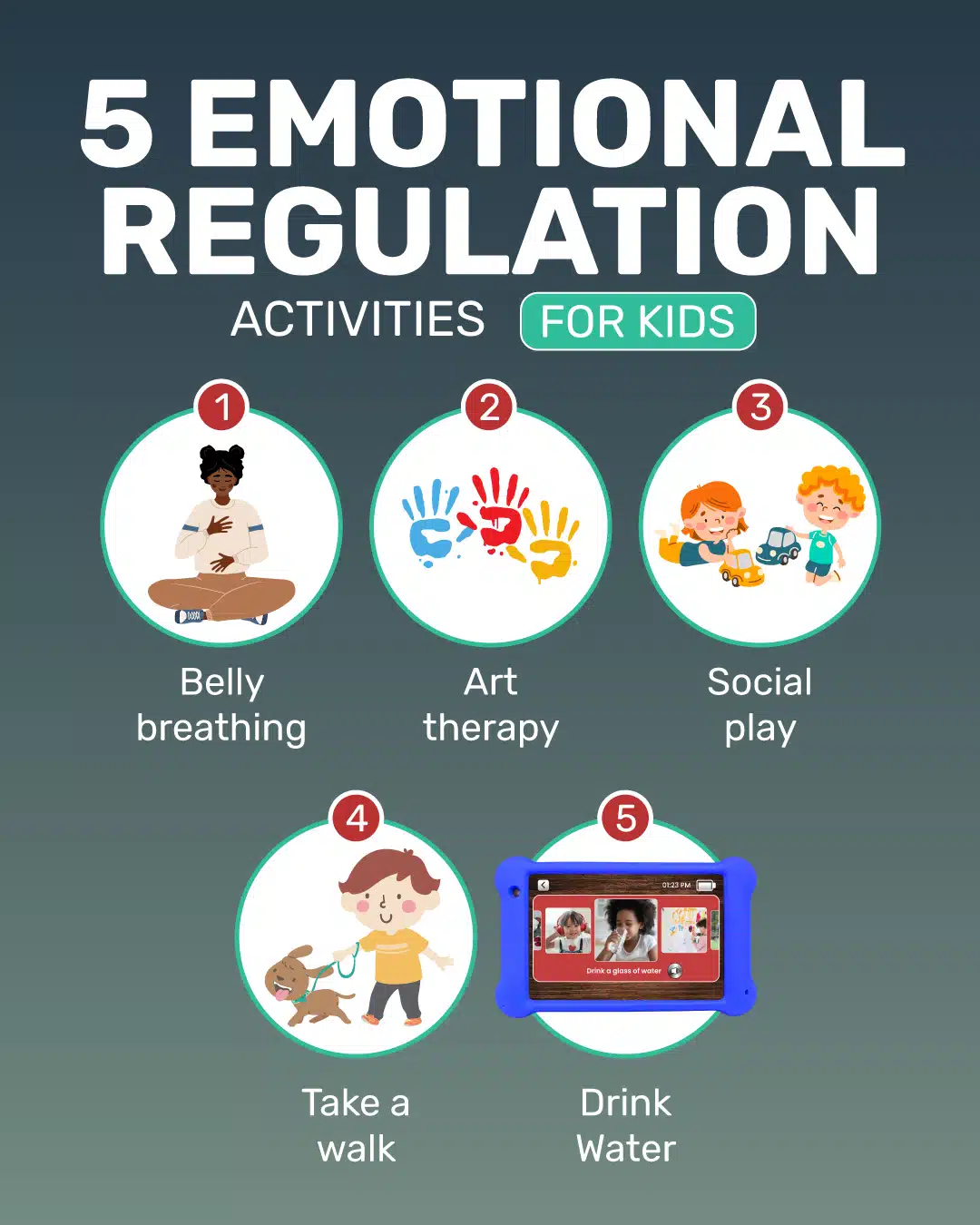
How can I manage emotional imbalance?


Emotional imbalance is a psychological state characterized by an inability to regulate one’s emotional responses effectively, resulting in disproportionate or inappropriate reactions to various stimuli. This condition can manifest as mood swings, irritability, anxiety, or difficulty in maintaining stable relationships. Studies suggest that emotional imbalance affects approximately 1 in 5 individuals at some point.

Emotional imbalance can be associated with various neurodevelopmental and mental health conditions. Some of these include:
| Condition | Description |
|---|---|
| Autism Spectrum Disorder (ASD) | Kids with ASD may struggle with emotional regulation and expressing emotions appropriately. |
| Attention Deficit Hyperactivity Disorder (ADHD) | Impulsivity and difficulty regulating emotions are common in kids with ADHD. |
| Anxiety Disorders | Excessive worry and fear can lead to emotional imbalance in kids with anxiety disorders. |
| Mood Disorders | Conditions like depression and bipolar disorder can cause significant emotional imbalances. |
It’s important to remember that not all kids with these conditions will experience emotional imbalance, and emotional imbalance can occur in kids without any diagnosed conditions.