Down syndrome regression disorder is when a child with Down syndrome loses skills they previously had, like talking or walking. It can happen suddenly or gradually.



Down syndrome regression disorder is when a child with Down syndrome loses skills they previously had, like talking or walking. It can happen suddenly or gradually.


What is Down syndrome regression disorder?
Down syndrome regression disorder is when a child with Down syndrome loses skills they previously had, such as speech or motor skills.
What are the signs of Down syndrome regression disorder?
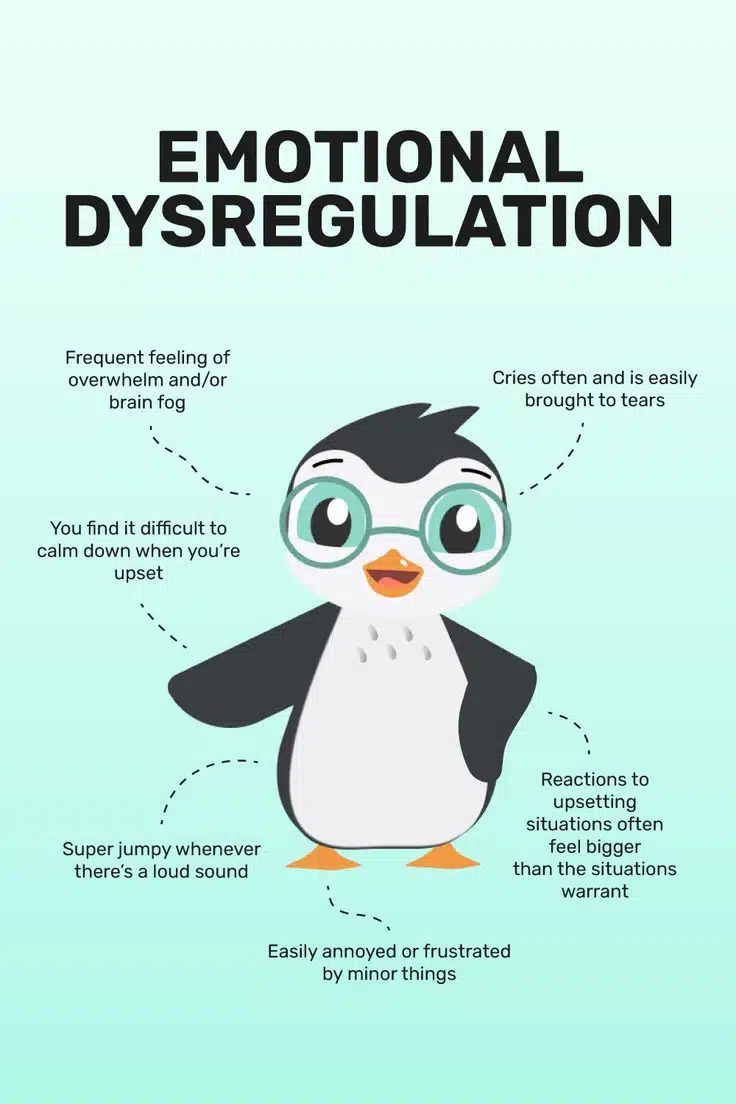
Signs include loss of speech, decreased motor skills, withdrawal from social activities, and changes in behavior.
What causes Down syndrome regression disorder?
The exact cause is unknown, but it may be related to medical, psychological, or environmental factors.
How is Down syndrome regression disorder treated?
Treatment involves a combination of therapies, such as speech therapy, occupational therapy, and a structured daily routine.


Down syndrome regression disorder is a condition characterized by the loss of previously acquired cognitive, social, and motor skills in individuals with Down syndrome. This regression can present as a sudden or gradual decline, often involving speech, motor skills, and daily functioning abilities. Studies indicate that around 10-18% of individuals with Down syndrome may experience some form of regression during their lifetime.

Understanding and addressing down syndrome regression disorder involves several steps. Here’s how it works:
| Step | Action |
|---|---|
| Identify signs | Look for early signs of regression in skills. |
| Consult professionals | Seek guidance from healthcare professionals. |
| Develop a plan | Create an intervention plan with therapies and routines. |
| Provide support | Ensure ongoing support from family and caregivers. |
Addressing regression early and consistently can help kids regain lost skills and improve their overall well-being.