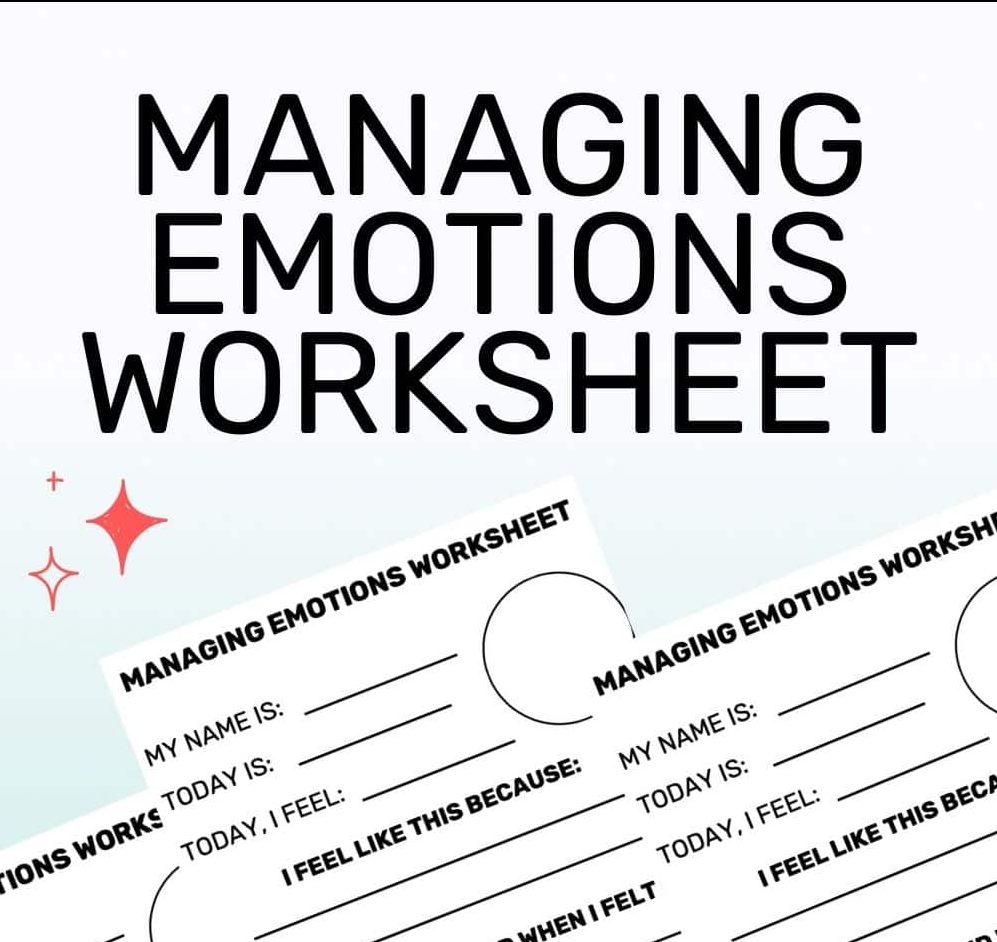
Displacement psychology is when a child takes out their feelings on something else instead of what’s really bothering them. It’s a way for kids to cope with tough emotions they don’t know how to handle yet.



Displacement psychology is when a child takes out their feelings on something else instead of what’s really bothering them. It’s a way for kids to cope with tough emotions they don’t know how to handle yet.


What are common signs of displacement psychology in children?
Displacement in children might manifest as overreacting to seemingly small triggers or directing intense emotions towards unrelated situations or people.
How can I help my child cope with displacement psychology?
Encourage open communication, validate their emotions, and teach healthy coping strategies like deep breathing or journaling to address underlying feelings directly.
Is displacement psychology harmful in the long term?
While it’s a natural defense mechanism, frequent displacement can strain relationships and hinder emotional growth if left unaddressed, underscoring the importance of promoting emotional awareness and regulation.
Can displacement psychology be mistaken for other behaviors?
Yes, it can sometimes be confused with unrelated behavioral issues or misunderstood as deliberate defiance, highlighting the need for careful observation and understanding of underlying emotions.


Displacement psychology refers to a defense mechanism in which an individual redirects their emotions, usually negative ones such as anger or frustration, from the original source of those feelings to a less threatening target. In children, this often manifests as acting out towards siblings, peers, or inanimate objects when they are upset about something else entirely, such as conflict with parents or academic struggles. Displacement allows the child to express difficult emotions in an indirect manner.

Displacement psychology operates as a defense mechanism, allowing individuals to redirect difficult emotions or impulses to a less threatening target. Here are some key points to understand how displacement works:
| Trigger | A stressful, frustrating, or anxiety-provoking situation arises. |
| Redirection | The individual shifts their emotional response from the true source of distress to a substitute target. |
| Substitute target | The chosen target is often less threatening or more socially acceptable, such as a parent, sibling, or object. |
| Manifestation | Displaced emotions may appear as aggression, anger, or disruptive behaviors directed at the substitute target. |
By recognizing signs of displacement, parents and caregivers can help children with special needs identify and manage their emotions in healthier ways.
This post was originally published on Feb. 10, 2023. It was updated on June 14, 2024.