ADD brain refers to how someone with Attention Deficit Disorder thinks and acts. Kids with ADD might have trouble focusing, staying still, or remembering things. They may seem distracted and forgetful but can still be very smart and creative.



ADD brain refers to how someone with Attention Deficit Disorder thinks and acts. Kids with ADD might have trouble focusing, staying still, or remembering things. They may seem distracted and forgetful but can still be very smart and creative.


What is ADD brain in kids?
ADD brain refers to how Attention Deficit Disorder affects a child’s brain, making it hard to focus, sit still, or manage impulses.
How can I help my child manage ADD brain symptoms?
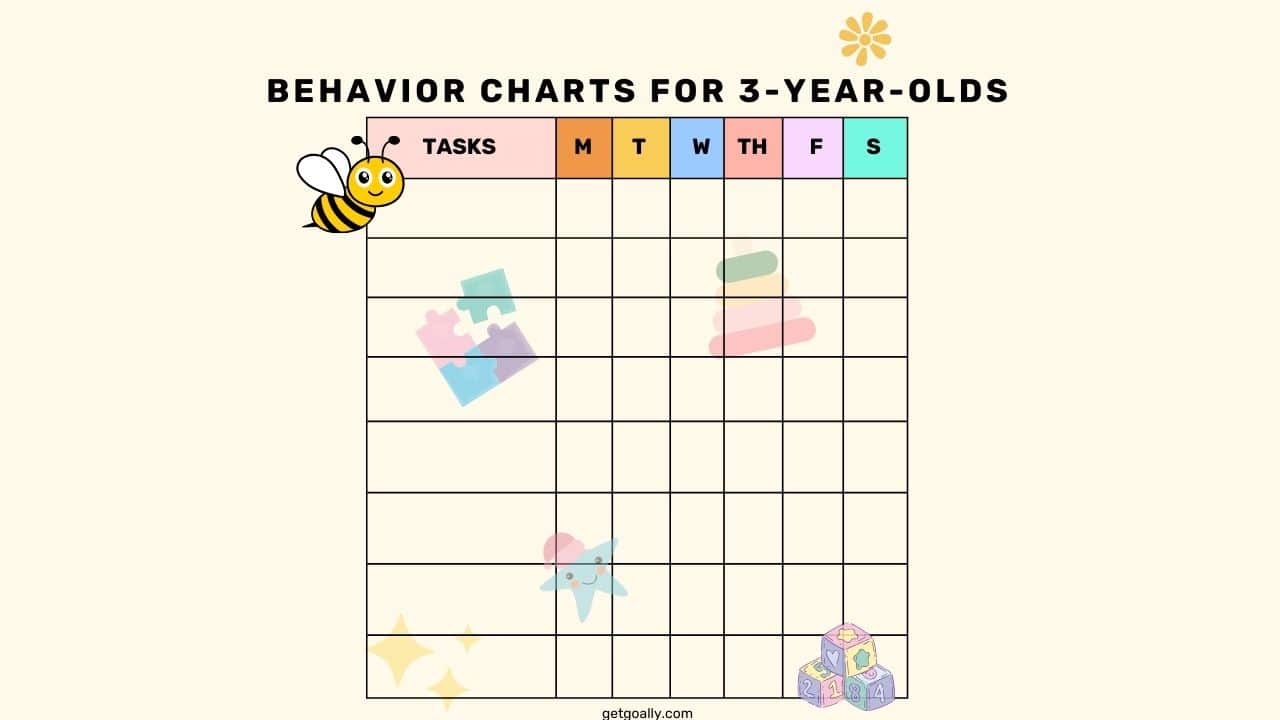
Parents can help by creating routines, using visual schedules, setting clear expectations, and providing consistent positive reinforcement.
Are there any treatments available for ADD brain?
Yes, treatments include behavioral therapy, medication, and lifestyle changes like regular exercise, a balanced diet, and mindfulness activities.
Can ADD brain affect my child’s learning?
Yes, ADD can impact learning by making it hard for kids to focus, remember instructions, or complete tasks. Tailored support can improve their learning experience.


ADD (Attention Deficit Disorder) is a neurological condition that affects the brain’s executive function, making it harder to focus, organize, or control impulses. Kids with ADD often have difficulty sustaining attention and managing time. This condition is often linked to differences in the brain’s structure and neurotransmitter levels, particularly dopamine, which plays a role in reward and motivation.

ADD brain can often occur alongside other conditions, which can make symptoms more challenging. Understanding these related conditions helps provide better support for kids.
| Condition | Impact on ADD Brain |
|---|---|
| ADHD | Increases impulsivity and hyperactivity. |
| Learning Disabilities | Makes academic tasks more challenging. |
| Anxiety | Heightens distractibility and worry. |
| Depression | Can lower motivation and energy levels. |
Recognizing and managing these associated conditions can make a big difference in a child’s ability to cope with ADD brain.