Trusted by 100,000+ Families

What is Attention Deficit Disorder?

Home>>Neurodiversopedia>>A Terms

Summary

summary

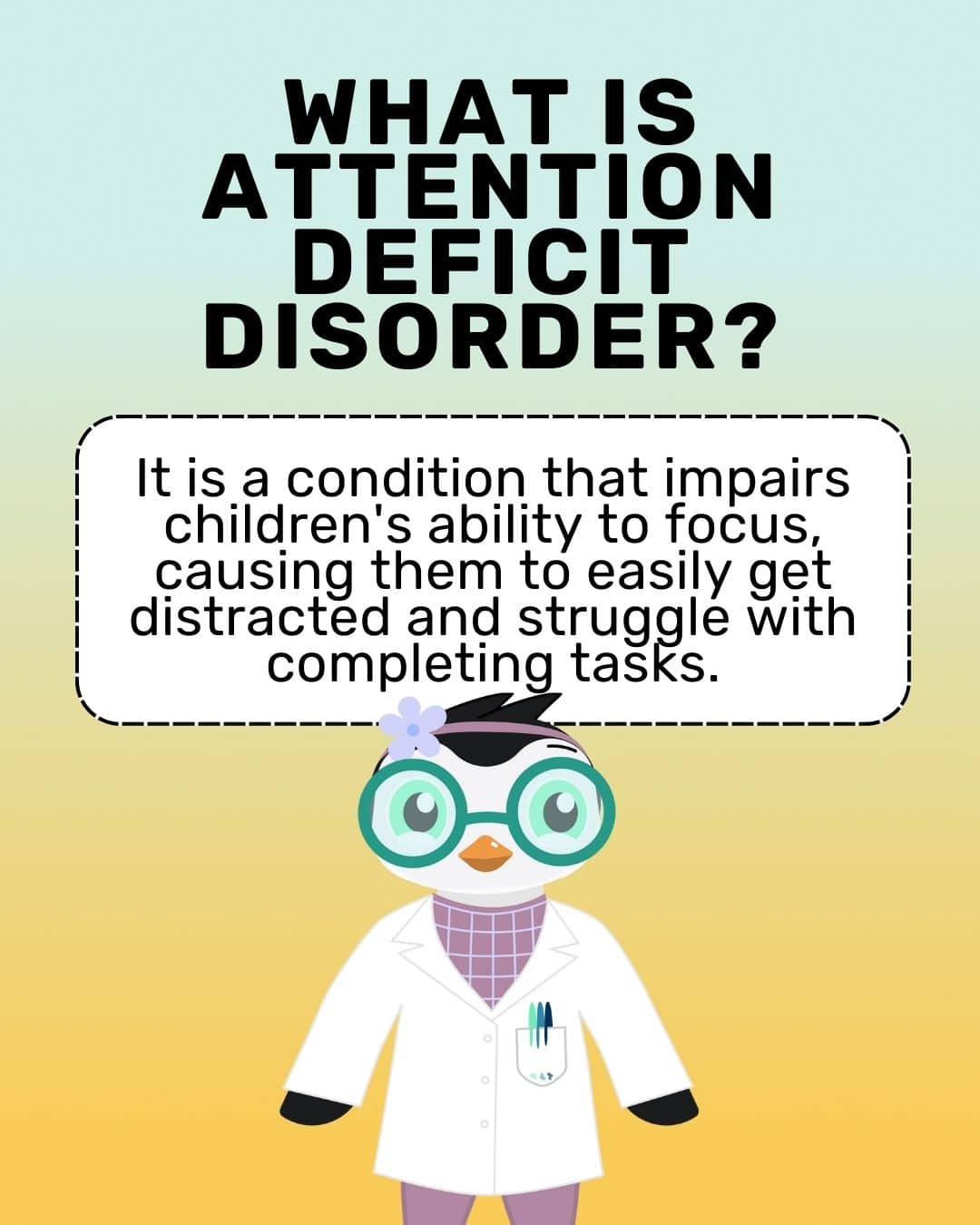
Attention deficit disorder (ADD) is a brain condition that makes it hard for kids to focus. They might get distracted easily or have trouble finishing tasks. It’s like their mind is always jumping from one thing to another, making it tough to concentrate on just one activity.

Take the ADD test for Your Child to find out if your child has ADD. 


Frequently Asked Question

donut

What causes ADD?

The exact cause of ADD is unknown, but research suggests that it may be a combination of genetic, neurobiological, and environmental factors.


Can adults have ADD?

Adults can have ADD. While it is most commonly diagnosed in childhood, some individuals may not receive a diagnosis until later in life. Symptoms in adults may present differently than in children and can include difficulty with organization, time management, and following through on tasks.


Is ADD the same as ADHD?

ADD and ADHD (Attention Deficit Hyperactivity Disorder) are often used interchangeably, but they are slightly different. ADHD refers to a broader condition that includes symptoms of inattention, hyperactivity, and impulsivity. ADD specifically refers to the inattentive type of ADHD, characterized by symptoms of difficulty with attention and organization. However, in practice, the terms are often used interchangeably and refer to the same general condition.


Scientific Definition

scientist

Attention deficit disorder (ADD) is a neurodevelopmental condition characterized by persistent inattention and difficulty sustaining focus on tasks. It’s a subtype of attention-deficit/hyperactivity disorder (ADHD) without the hyperactive-impulsive symptoms. ADD affects approximately 6-9% of children and adolescents, impacting their academic performance, social interactions, and daily functioning.


Resources:

Treatment for Attention Deficit Disorder (ADD)

Effective treatment options can greatly improve the management of attention deficit disorder (ADD) symptoms. Here are some key approaches to consider:

  • Behavioral therapy: Teaches kids coping skills and ways to stay focused.
  • Medication: Stimulants or non-stimulants can help manage symptoms.
  • Educational support: Special accommodations at school, like extra time for tests.
  • Lifestyle changes: Regular exercise, healthy diet, and consistent sleep routines.
  • Parent training: Helps parents learn strategies to support their child.

Long-term outlook for kids with ADD is often positive. With proper treatment and support, many learn to manage their symptoms effectively. As they grow, they often develop strategies to work with their unique brain wiring and can lead successful, fulfilling lives.

Symptoms of Attention Deficit Disorder

ADD symptoms can vary from child to child, but there are some common signs to look out for:

  • Inattention: Difficulty focusing on tasks or activities
  • Distractibility: Easily sidetracked by external stimuli
  • Forgetfulness: Trouble remembering daily tasks or responsibilities
  • Disorganization: Challenges with keeping belongings and thoughts in order
  • Procrastination: Putting off tasks, especially those requiring sustained mental effort
Common ADD Symptoms How It Might Look
Inattention Daydreaming during class
Distractibility Can’t finish homework due to noises
Forgetfulness Often loses school supplies
Disorganization Messy backpack, can’t find things
Procrastination Waits until last minute for projects

If you notice these signs in your child, don’t worry. Many kids show these behaviors sometimes. It’s when they persist and interfere with daily life that it’s time to talk to a doctor. Early recognition can lead to better support and outcomes for your child.


This post was originally published on Feb. 5, 2023. It was updated on Oct. 2, 2024