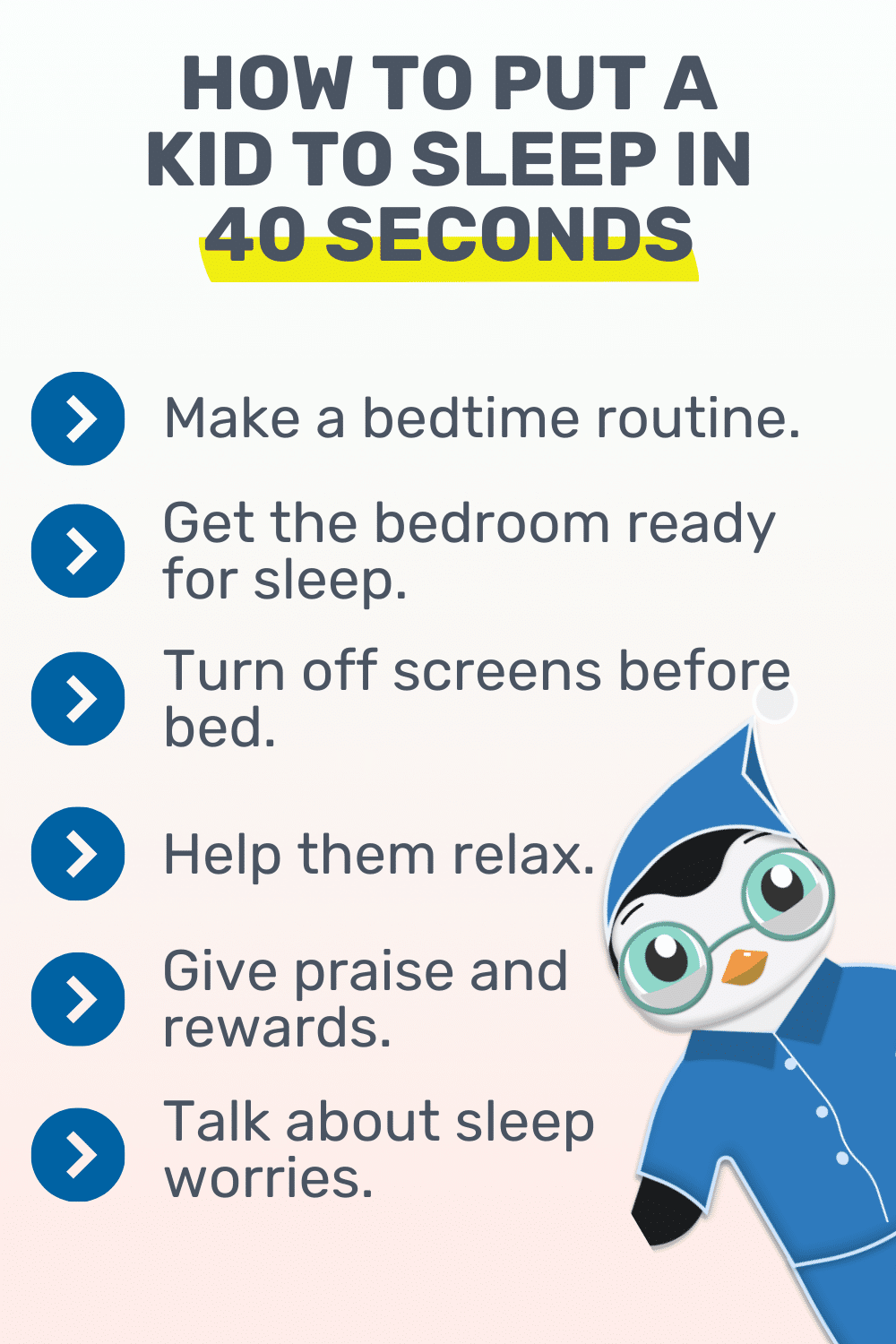
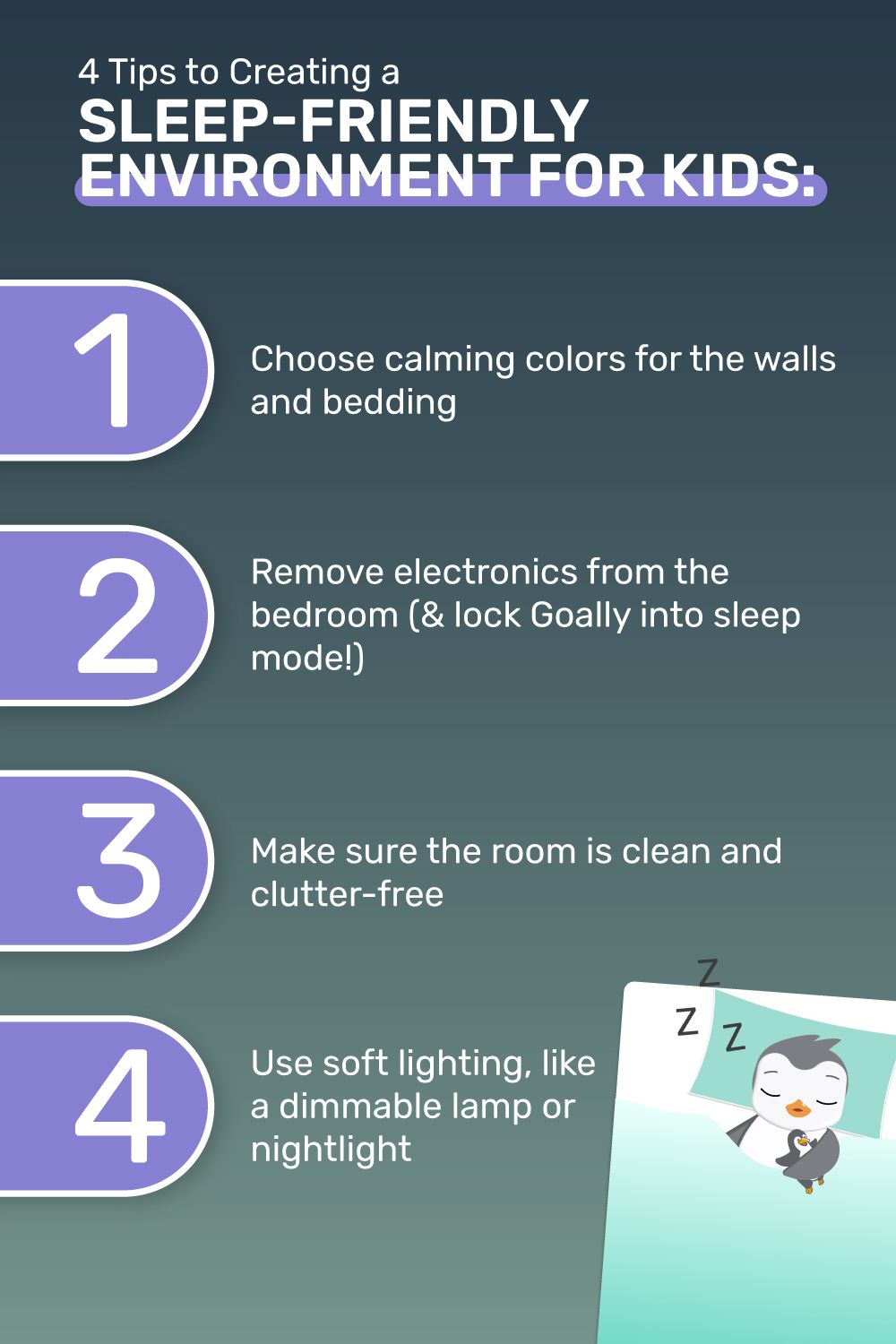
Revenge bedtime procrastination is when kids stay up later than they should, even though tired. They do this to feel like they have control over their own time at night, especially if they don’t have much control over their day.


Revenge bedtime procrastination is when kids stay up later than they should, even though tired. They do this to feel like they have control over their own time at night, especially if they don’t have much control over their day.


Why do people engage in revenge bedtime procrastination?
Individuals may resort to revenge bedtime procrastination as a form of rebellion against daytime constraints, seeking leisure and relaxation during late-night hours when they feel less pressured by external obligations.
What are the consequences of revenge bedtime procrastination?
Revenge bedtime procrastination can disrupt sleep patterns, leading to sleep deprivation, daytime fatigue, decreased productivity, and long-term health issues such as increased risk of obesity, diabetes, and cardiovascular problems.
How can I recognize if I'm experiencing revenge bedtime procrastination?
Signs of revenge bedtime procrastination include consistently staying up late despite feeling tired, difficulty falling asleep once in bed, and experiencing daytime fatigue and irritability due to insufficient sleep.
How can I overcome revenge bedtime procrastination?


Revenge bedtime procrastination, also known as sleep procrastination, is the phenomenon of delaying sleep to engage in leisure activities or regain control over one’s time, particularly in response to a lack of free time during the day. This behavior is often associated with stress, poor time management, and a desire for autonomy. Studies have shown that individuals with ADHD are more likely to engage in revenge bedtime procrastination due to their difficulties with self-regulation and time management.

Several neurodevelopmental and mental health conditions may be associated with revenge bedtime procrastination. These conditions can exacerbate the challenges in maintaining a healthy sleep schedule:
If your child exhibits signs of revenge bedtime procrastination and has a diagnosed or suspected neurodevelopmental or mental health condition, it’s essential to work with healthcare professionals to develop a comprehensive treatment plan that addresses both the underlying condition and sleep challenges.