As someone who works with kids, I’ve seen firsthand how mood disorders can impact young lives. These conditions aren’t just fleeting tantrums or typical growing pains – they’re serious emotional challenges that can affect a child’s daily life. In this post, I’ll walk you through the key types of mood disorders in childhood, their signs, and how you can support your child. Mood disorders in childhood are persistent changes in a child’s emotional state that significantly impact their ability to function in daily life. Let’s explore this important topic together, so you can better understand and help your child navigate their emotional world.
Table of Contents
1. Major Depressive Disorder (MDD)
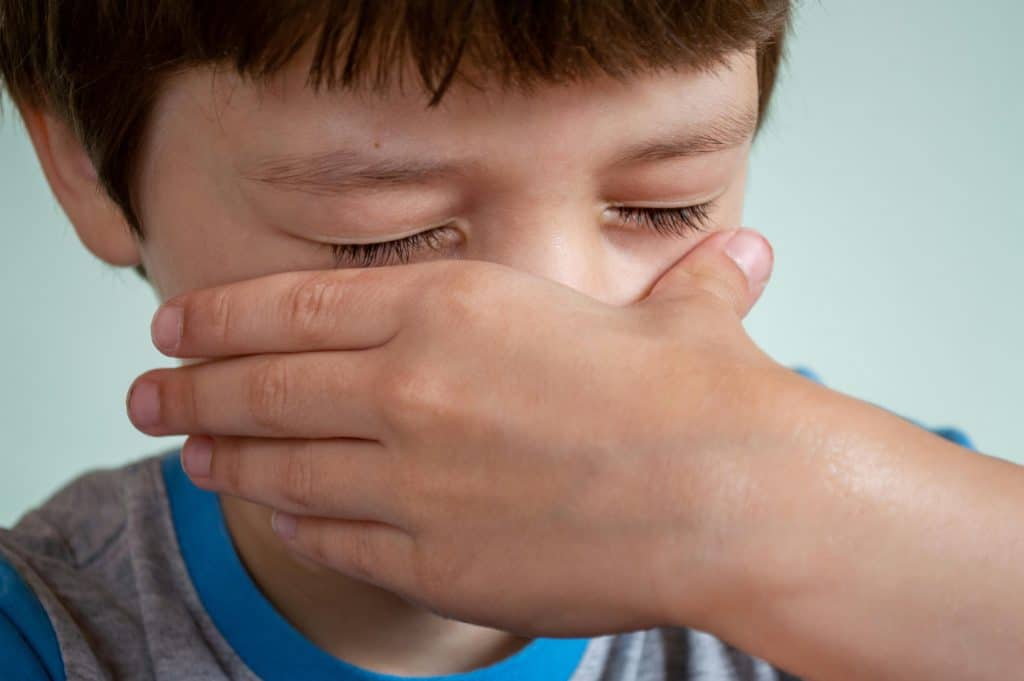
Major depressive disorder isn’t just feeling sad – it’s a persistent state of low mood that can significantly impact a child’s life. I’ve worked with many children who struggle with MDD, and it’s heartbreaking to see how it affects their daily activities and relationships.
Some key signs to watch for include:
- Persistent sadness or irritability
- Loss of interest in activities they once enjoyed
- Changes in appetite or sleep patterns
- Difficulty concentrating or making decisions
- Feelings of worthlessness or excessive guilt
If you notice these symptoms lasting for more than two weeks, it’s crucial to seek professional help.
Read more: How To Deal With a Sad Kid | Parents Guide
2. Bipolar Disorder
Bipolar disorder in children can be a challenging diagnosis, as it often looks different from adult bipolar disorder. I’ve seen kids swing between periods of intense excitement and energy (mania or hypomania) and deep depression. These mood swings can be rapid and unpredictable, making it difficult for children to maintain stable relationships and perform well in school.
During manic episodes, a child might:
- Talk very fast and jump from one idea to another
- Have trouble sleeping but not feel tired
- Become easily distracted
- Engage in risky behaviors
Depressive episodes may mirror the symptoms of MDD. If you suspect your child might have bipolar disorder, it’s essential to consult with a mental health professional for a proper evaluation.
3. Disruptive Mood Dysregulation Disorder (DMDD)
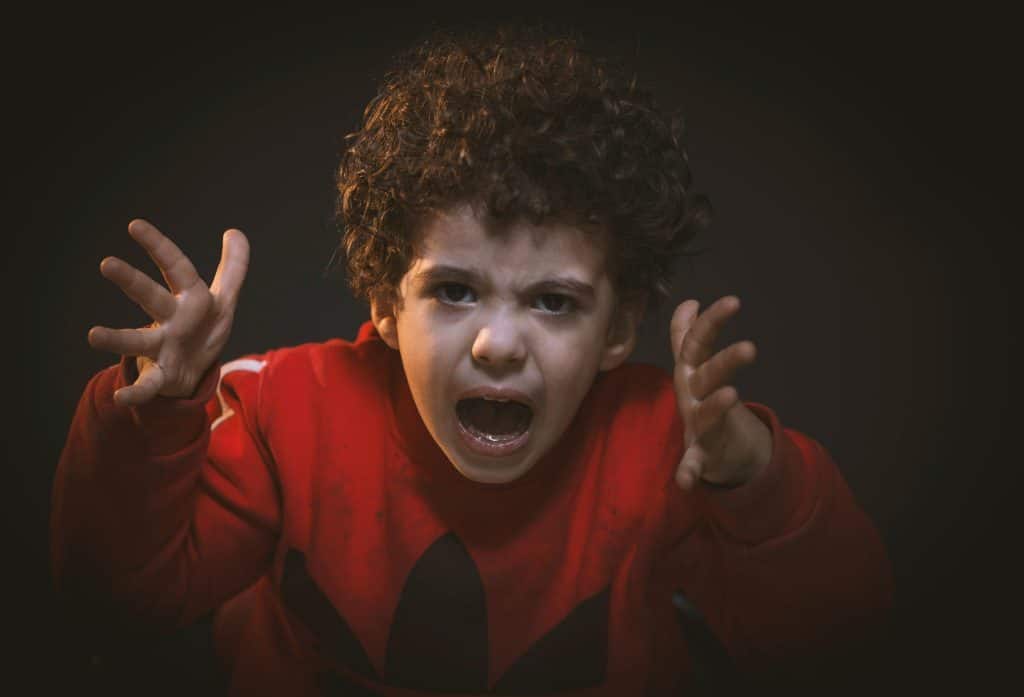
DMDD is a relatively new diagnosis that’s particularly relevant for children. It’s characterized by persistent irritability and frequent, intense temper outbursts. In my practice, I’ve seen how DMDD can strain family relationships and interfere with a child’s social development.
Key features of DMDD include:
- Severe temper outbursts (verbal or behavioral) that are out of proportion to the situation
- Outbursts that occur, on average, three or more times per week
- Irritable or angry mood most of the day, nearly every day
- Symptoms present for at least 12 months
Early intervention is crucial for children with DMDD to help them develop better emotional regulation skills.
4. Persistent Depressive Disorder (Dysthymia)
Persistent Depressive Disorder, also known as dysthymia, is a long-lasting form of depression. While it may not be as severe as major depression, its chronic nature can have a significant impact on a child’s development and self-esteem. I’ve worked with children who’ve struggled with dysthymia for years, often feeling like they’ve never known what it’s like to be truly happy.
Symptoms of dysthymia in children may include:
- Persistent sad or irritable mood
- Low self-esteem
- Feelings of hopelessness
- Poor appetite or overeating
- Sleep problems
- Difficulty concentrating
These symptoms must persist for at least one year in children to meet the diagnostic criteria for dysthymia.
5. Seasonal Affective Disorder (SAD)
While we often associate Seasonal Affective Disorder with adults, it can affect children too. SAD is a type of depression that’s related to changes in seasons, typically starting in the fall and continuing through winter months. I’ve noticed that some kids seem to “hibernate” during these months, showing less energy and enthusiasm for activities they usually enjoy.
Signs of SAD in children may include:
- Increased irritability or mood swings
- Changes in sleep patterns (often sleeping more)
- Difficulty concentrating in school
- Changes in eating habits (often craving carbohydrates)
- Lack of energy or motivation
If you notice these patterns repeating each year as the seasons change, it might be worth discussing SAD with your child’s healthcare provider.
Read more: Is ADHD a Mood Disorder?
6. Premenstrual Dysphoric Disorder (PMDD)
While PMDD is more commonly diagnosed in adults, it can begin to manifest in adolescent girls. This severe form of premenstrual syndrome (PMS) can cause significant mood changes that interfere with daily life. In my work with teenage girls, I’ve seen how PMDD can impact their academic performance, social relationships, and overall well-being.
Symptoms of PMDD may include:
- Extreme mood swings
- Intense feelings of sadness or hopelessness
- Severe anxiety or tension
- Irritability or anger
- Difficulty concentrating
- Physical symptoms like bloating, breast tenderness, or headaches
These symptoms typically occur in the week before menstruation and improve within a few days after the period starts.
7. Anxiety-Related Mood Disorders
While anxiety disorders are a separate category, they often coexist with mood disorders and can significantly impact a child’s emotional state. In fact, I’ve found that many children with mood disorders also struggle with anxiety, creating a complex interplay of symptoms that can be challenging to untangle.
Common anxiety-related mood issues in children include:
- Generalized Anxiety Disorder (GAD)
- Separation Anxiety Disorder
- Social Anxiety Disorder
- Panic Disorder
These conditions can lead to persistent feelings of worry, fear, or dread that impact a child’s mood and overall functioning.
8. Mood Disorders Related to Medical Conditions
Sometimes, mood disorders in children can be related to underlying medical conditions. As a practitioner, I always emphasize the importance of a thorough medical evaluation when a child presents with mood symptoms. Certain health issues can mimic or exacerbate mood disorders, making accurate diagnosis crucial.
Some medical conditions that can affect mood include:
- Thyroid disorders
- Diabetes
- Chronic pain conditions
- Autoimmune diseases
- Neurological disorders
If your child is diagnosed with a mood disorder, it’s important to work with healthcare providers to rule out or address any underlying medical issues.
9. Substance-Induced Mood Disorders
While we often think of substance use as an adolescent or adult issue, it’s important to be aware that substance-induced mood disorders can occur in children as well. In my practice, I’ve seen cases where medication side effects or experimentation with substances have led to significant mood changes in young people.
Potential causes of substance-induced mood disorders include:
- Side effects from prescribed medications (e.g., certain ADHD medications)
- Illicit drug use
- Alcohol use
- Exposure to environmental toxins
If you suspect that a substance might be affecting your child’s mood, it’s crucial to seek immediate medical attention.
Tired of Emotional Meltdowns?
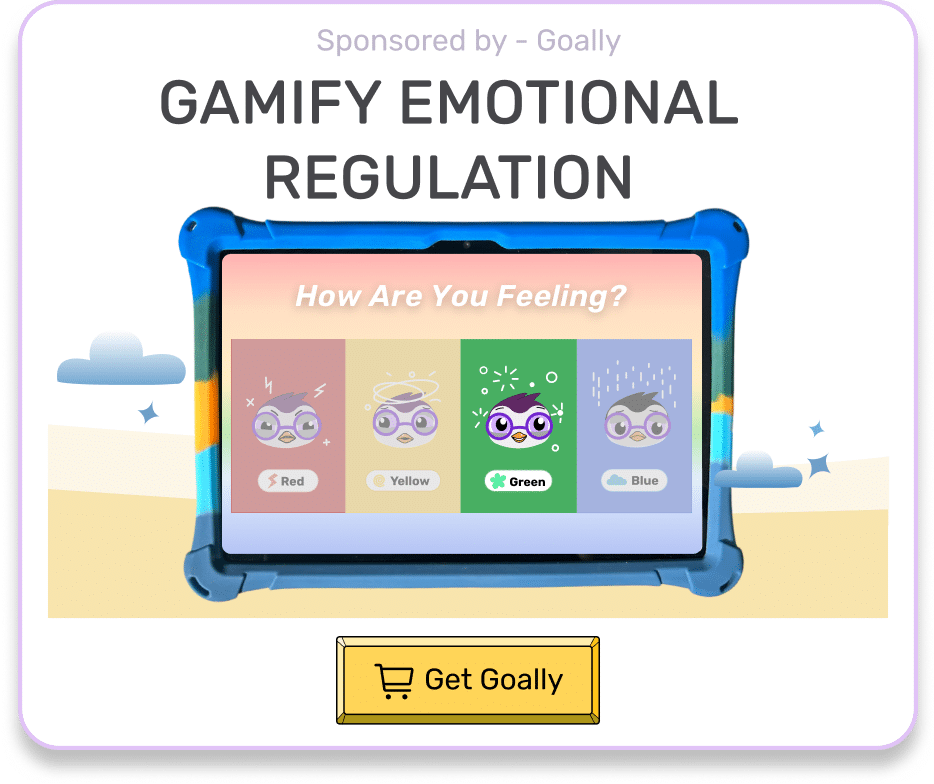
Goally’s Mood Tuner app has activities for kids with BIG emotions. Teach kids how to tune their mood with Goally. See fewer meltdowns.
The Mood Tuner app encourages kids to look inwards and identify their feelings, helping them understand what’s going on inside. Once they’ve recognized their emotions, they can choose from a 20+ activities designed to help them self-regulate and find their balance.
Understanding mood disorders in childhood is crucial for parents, caregivers, and educators. By recognizing the signs early and seeking appropriate help, you can make a significant difference in a child’s life. Remember, mood disorders are real, treatable conditions – not character flaws or the result of poor parenting. If you’re concerned about your child’s emotional health, don’t hesitate to reach out to a mental health professional. With the right support, children with mood disorders can learn to manage their symptoms and thrive.
Resources:
- National Institute of Mental Health
- Child Mind Institute
- American Academy of Child and Adolescent Psychiatry
FAQs about Mood Disorders in Childhood
What are the common signs of mood disorders in children?
Common signs include persistent sadness, irritability, changes in appetite or sleep, and difficulty concentrating. If these symptoms persist for more than two weeks, consider seeking professional help.

How can mood disorders in childhood be treated?
Treatment often involves a combination of therapy, medication, and lifestyle changes. Early intervention is crucial for better outcomes.

Can mood disorders in children be prevented?
While not all mood disorders can be prevented, creating a supportive and stable environment can help. Encouraging open communication and seeking early intervention can mitigate symptoms.

What causes mood disorders in children?
Mood disorders can be caused by a combination of genetic, environmental, and psychological factors. Stressful life events, family history, and brain chemistry all play a role.

How do I know if my child needs professional help for their mood disorder?
If your child's mood symptoms are persistent, severe, and interfere with daily life, it’s time to seek professional help. Consult with a pediatrician or child psychologist for guidance.

Hennah is an experienced writer and researcher, helping children with autism, ADHD, and other neurodivergent conditions. As a blog contributor for Goally, she combines her deep understanding of neurodiversity with practical advice, offering valuable insights to parents and educators.