Is ADHD a disability or mental illness? ADHD is a neurodevelopmental disorder that affects attention, impulse control, and executive functioning. In this article, I’ll break down what ADHD means, how it’s classified, and what that means for you and your child.
Key Takeaways:
- ADHD is a neurodevelopmental disorder that affects attention, impulse control, and executive functioning.
- ADHD can be considered both a disability and a mental health condition, depending on the context.
- Understanding the classification of ADHD helps in accessing the right support and resources for your child.
Parents often wonder, “Is ADHD a disability or a mental illness?” ADHD, or Attention-Deficit/Hyperactivity Disorder, is a neurodevelopmental disorder characterized by symptoms like inattentiveness, hyperactivity, and impulsiveness. The classification of ADHD can vary; it is often recognized as a disability under laws like the Americans with Disabilities Act (ADA) and also considered a mental health condition within medical contexts. This blog will explore what this means for you and how to best support your child.
Table of Contents
What is ADHD and How is It Classified?
ADHD is a complex condition that affects the brain’s development and functions, primarily involving difficulties with attention, impulsivity, and hyperactivity. According to the Centers for Disease Control and Prevention (CDC), ADHD is one of the most common neurodevelopmental disorders in children, affecting approximately 9.4% of kids in the United States. While ADHD is commonly labeled as a mental health condition, it also falls under the category of disabilities, especially when considering educational and workplace accommodations.
Whether ADHD is considered a disability or a mental illness often depends on the context in which the term is used. Medically, ADHD is classified as a mental health condition due to its impact on behavior and emotional regulation. Legally and educationally, it is recognized as a disability, allowing for accommodations and supports under the Individuals with Disabilities Education Act (IDEA) and Section 504 of the Rehabilitation Act.
Defining ADHD as a Disability
- ADHD qualifies as a disability under laws like the ADA, which means kids are entitled to certain rights and accommodations in school and work.
- Recognizing ADHD as a disability helps in obtaining the necessary support systems, such as special education services or individualized learning plans.
Defining ADHD as a Mental Illness
- Medically, ADHD is often grouped under mental health conditions because of its impact on behavior, emotional regulation, and brain function.
- This classification helps doctors provide appropriate treatment, including behavioral therapy and medication management.
Is Rejection Sensitive Dysphoria Only in ADHD?
Why Understanding the Classification Matters
Understanding how ADHD is classified is crucial because it affects the kind of support your child can receive. For example, recognizing ADHD as a disability opens doors to accommodations in schools, like extra time on tests or a quiet space for learning. On the other hand, viewing it as a mental health condition emphasizes the importance of therapy, counseling, and medical interventions to help manage symptoms.
From my experience working with neurodivergent kids, I’ve seen how the right support can make all the difference. Whether it’s an Individualized Education Program (IEP) in school or behavioral therapy sessions, knowing how ADHD is defined helps parents advocate for the best resources for their kids.
Practical Support for ADHD
- Special accommodations in school, like extra test time, can help kids perform at their best.
- Behavioral therapies and structured routines can aid in managing ADHD symptoms effectively.
Common Misconceptions About ADHD
One of the biggest misconceptions about ADHD is that it’s just about kids “acting out” or that they’ll grow out of it. In reality, ADHD is a lifelong condition that can continue into adulthood. It’s not about poor parenting or lack of discipline; it’s a neurological difference that affects how the brain processes information. The way ADHD is portrayed in the media often simplifies it, leaving out the complexities that many families deal with daily.

Read more: Is ADHD a Form of Mental Illness?
Another misconception is that ADHD is overdiagnosed or misused as an excuse for poor behavior. However, according to studies published by the National Institute of Mental Health (NIMH), ADHD is a real and diagnosable condition that requires professional evaluation and individualized support. Recognizing these misconceptions helps us advocate better for kids and understand the true nature of ADHD.
Addressing Misconceptions
- ADHD is not just about being hyperactive; it involves executive functioning challenges that affect daily life.
- ADHD requires tailored interventions and is not simply something kids will “grow out of.”
Supporting Your Child with ADHD
Supporting a child with ADHD involves a combination of understanding, accommodations, and proactive strategies. This can include creating a structured daily routine, using visual schedules, breaking tasks into smaller steps, and using positive reinforcement techniques to encourage desired behaviors. In my experience, simple changes like using visual reminders or setting a timer for tasks can help a lot.
It’s also crucial to work closely with your child’s school to ensure they receive the appropriate accommodations. Whether it’s extra test time or modified assignments, having the right support in place can significantly impact your child’s learning experience. Additionally, exploring behavioral therapies or consulting with a specialist can offer more personalized strategies tailored to your child’s unique needs.
ADHD and Rejection Sensitivity in Kids
Practical Tips for Daily Support
- Create a structured daily routine with clear expectations and consistent timing.
- Use visual aids and reminders to help your child stay organized and on track.
- Collaborate with teachers and school staff to ensure your child’s needs are met in the classroom.
Try Goally For Your Child With ADHD
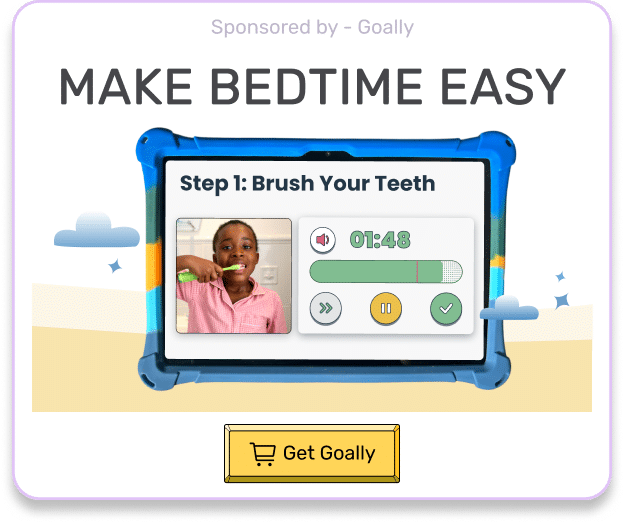
Goally is an excellent option for many families that have a child with ADHD. Use game play as a points-based motivator for your kiddo with ADHD, help them learn emotional regulation skills, and watch them grow! It’s simple to set up and has an expert-informed design.
The Bottom Line on ADHD: Disability or Mental Illness?
So, is ADHD a disability or a mental illness? The answer isn’t straightforward—it’s both, depending on the perspective. From a legal standpoint, ADHD qualifies as a disability, opening doors to essential educational supports. Medically, it’s considered a mental health condition that impacts behavior and emotional regulation. Understanding this dual classification helps parents better navigate the available resources, whether it’s securing accommodations in school or accessing behavioral therapies. What matters most is getting the right help and creating an environment where your child can thrive, regardless of how ADHD is labeled.
Helpful Resources
- CDC (Centers for Disease Control and Prevention)
- National Institute of Mental Health
- CHADD (Children and Adults with Attention-Deficit/Hyperactivity Disorder)
FAQ’s About Is ADHD a Disability or Mental Illness?
Is ADHD considered a disability?
Yes, ADHD is recognized as a disability under laws like the ADA, which allows for school and workplace accommodations.

Is ADHD a mental illness?
Medically, ADHD is classified as a mental health condition due to its impact on behavior and emotional regulation.

Can ADHD be both a disability and a mental illness?
Yes, ADHD can be considered both depending on the context—legally as a disability and medically as a mental health condition.

How does ADHD affect learning?
ADHD affects learning by impacting attention, impulse control, and executive functioning, often requiring special education supports.

Emily is a seasoned blog writer for Goally, leveraging her extensive background in child psychology and special education to provide valuable insights and resources for parents. Her commitment to understanding and addressing the unique needs of these children, combined with her expertise in educational strategies, makes her a credible and empathetic voice for families.