Staying calm as a parent can be challenging, but it’s crucial for creating a peaceful environment for your kids. In this guide, I’ll walk you through practical steps to help you maintain your composure during stressful situations.
Key Takeaways:
- Recognize your stress triggers and address them proactively.
- Practice deep breathing and mindfulness techniques to stay centered.
- Implement a consistent routine to reduce chaos and enhance calm.
How can I keep calm as a parent? You can keep calm by identifying stress triggers, practicing mindfulness, and maintaining a consistent routine.
Table of Contents
1. Recognize Your Stress Triggers
The first step to staying calm is recognizing what specifically triggers your stress. I’ve found that understanding my stressors—whether it’s the morning rush, sibling conflicts, or unexpected changes—helps me prepare mentally and emotionally. By identifying these triggers, you can start to anticipate stressful moments and plan accordingly.
For example, if you know that getting everyone out the door in the morning is chaotic, you might prepare lunches and outfits the night before. This simple adjustment can significantly reduce your stress level. The key is to observe your daily routine and pinpoint moments where you feel the most tension.
2. Practice Deep Breathing Techniques
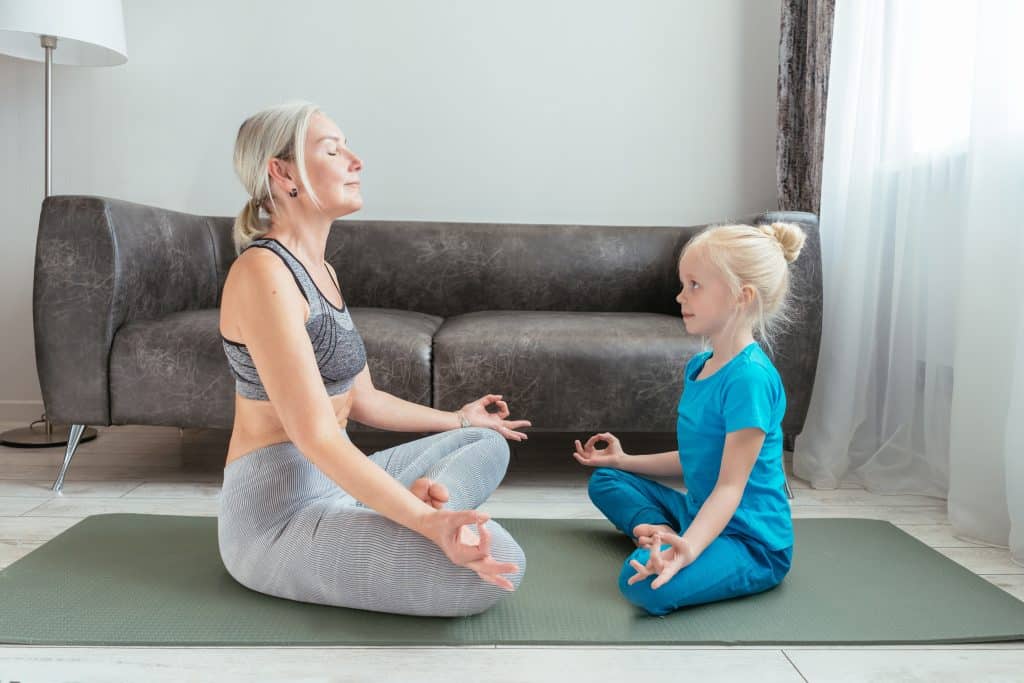
Deep breathing is one of the most effective tools for calming your nervous system in the heat of the moment. Whenever I feel stress creeping in, I take a few deep breaths, inhaling slowly through my nose and exhaling through my mouth. This technique helps to slow down my heart rate and clear my mind, allowing me to respond to my kids calmly.
Teach your kids deep breathing as well. It can be a fun activity to do together, and it equips them with a tool they can use when they feel overwhelmed. Practicing this regularly can make it a natural response during stressful times.
Read more: Using Positive Affirmations for Kids
3. Use Positive Self-Talk
What you say to yourself in stressful moments matters. I’ve learned to replace negative thoughts like “I can’t handle this” with positive affirmations such as “I am capable of staying calm.” This shift in mindset can make a big difference in how you respond to stress.
Encourage yourself with kind words, just as you would comfort your child. Remind yourself that you’re doing your best and that it’s okay to feel stressed sometimes. This practice not only helps you stay calm but also sets a positive example for your kids.
4. Establish a Routine
Consistency is key to reducing stress and maintaining calm. A well-established routine can help your family know what to expect each day, which reduces uncertainty and chaos. I’ve found that when my kids know what’s coming next, they’re less likely to act out, and I’m less likely to feel overwhelmed.
Create a daily schedule that includes time for meals, play, and rest. Stick to it as much as possible, but also be flexible when needed. The predictability of a routine helps everyone feel more secure and calm.
5. Take Breaks When Needed
It’s important to recognize when you need a break. I always remind myself that it’s okay to step away for a few minutes to gather my thoughts. Whether it’s taking a short walk, stepping outside for fresh air, or simply sitting quietly for a moment, these breaks can help you reset and return to your kids with renewed patience.
Teach your kids that everyone needs a break sometimes. Encourage them to take quiet time when they’re feeling overwhelmed. This not only helps them manage their emotions but also shows them that it’s okay to take care of their mental health.
6. Implement Mindfulness Practices
Mindfulness is about staying present in the moment without judgment. I try to practice mindfulness throughout the day, especially during stressful times. This can be as simple as paying attention to your breathing, noticing the sensations in your body, or focusing on the sounds around you. Mindfulness helps to ground you in the present moment, reducing stress and preventing you from getting caught up in worries about the past or future.

Read more: Calm down strategies for kids
You can incorporate mindfulness into your family’s routine by setting aside a few minutes each day to practice together. This could be through meditation, mindful breathing, or simply sitting quietly. These practices can help everyone in the family stay calm and centered.
7. Seek Support When Needed
Remember, it’s okay to ask for help. Whether it’s talking to a friend, joining a support group, or seeking professional advice, reaching out for support is a sign of strength, not weakness. I’ve found that discussing my challenges with others often brings new perspectives and solutions that I hadn’t considered.
Encourage open communication within your family. Let your kids know that it’s okay to express their feelings and ask for help when they need it. This creates a supportive environment where everyone feels safe and understood.
8. Practice Gratitude
Gratitude has a powerful impact on our mindset. I make it a habit to reflect on the things I’m grateful for, even on tough days. Focusing on the positive aspects of your life can help shift your perspective and reduce stress.
Involve your kids in this practice by sharing what you’re grateful for as a family. This could be during mealtimes or bedtime. Gratitude helps everyone appreciate the good in their lives and fosters a positive atmosphere at home.

Goally | Best Videos to Teach Life Skills
Give your kid an independent future. Goally has 100+ video classes teaching life skills like “How to Choose a Restaurant,” “How to Interrupt Politely,” and “How to Get Ready for School.”
Goally takes kids on an adventure that includes interactive practice and checkpoints along the way! No web browsers, YouTube, or social media.
Staying calm as a parent is an ongoing practice, but by recognizing your stress triggers, using mindfulness techniques, and establishing a routine, you can create a more peaceful and supportive environment for your family. Remember to take breaks, seek support, and focus on the positive aspects of your life. These steps will help you manage stress and maintain your composure, even on the most challenging days.
Helpful Resources
Frequently Asked Questions on How to Keep Calm
What are some ways to teach kids how to keep calm?
Breaking down the skill through steps like recognizing emotions, employing breathing techniques, practicing muscle relaxation, using visualization, and employing affirmations are effective.

How can I make teaching my kid how to keep calm easier?
Goally's task analysis breaks down the process of keeping calm into manageable steps, making it easier for your kid to learn and practice.

Are there any tools to help kids learn how to keep calm?
Yes, the Goally tablet offers interactive video classes, including lessons on staying calm, built on task analysis and behavioral skills training.

Is teaching kids how to keep calm important?
Absolutely. It's a vital life skill that helps kids with emotional self-regulation, fostering their mental health and overall wellness.

Can teaching my child how to keep calm help them at school?
Yes, a child who knows how to keep calm can better deal with stress, enhancing their focus and performance at school.
This post was originally published on 10/11/2023. It was updated on 08/24/2024.

Emily is a seasoned blog writer for Goally, leveraging her extensive background in child psychology and special education to provide valuable insights and resources for parents. Her commitment to understanding and addressing the unique needs of these children, combined with her expertise in educational strategies, makes her a credible and empathetic voice for families.