Frog sitting is when a child sits with their knees bent out to the sides and their feet tucked under their bottom. This position can be common in kids with special needs and may indicate low muscle tone or joint issues.


Jun 5, 2024
< 1 min read

Frog sitting is when a child sits with their knees bent out to the sides and their feet tucked under their bottom. This position can be common in kids with special needs and may indicate low muscle tone or joint issues.


Is frog sitting harmful for my child's physical development?
While occasional frog sitting is usually not a concern, excessive and prolonged W-sitting can impact a child’s range of motion and muscle development. It’s important to encourage alternative sitting positions and consult with a healthcare professional or therapist if you have concerns.
Can frog sitting be a temporary phase, or is it a lifelong habit for some children?
Frog sitting can be temporary for some children, especially if addressed early with appropriate interventions and support. However, for others, it may persist as a preferred sitting posture, and the focus should be on promoting comfort, function, and overall well-being rather than attempting to eliminate it entirely.
Can frog sitting affect my child's social interactions or self-esteem?
While frog sitting itself may not directly impact social interactions, children who consistently use this posture may face challenges fitting into certain group activities. Addressing their comfort and self-esteem through supportive interventions can help alleviate potential issues.
Are there any exercises or activities that can help my child develop better sitting habits and posture?
Yes, engaging in activities that promote core strength, balance, and flexibility can be beneficial. Consult with an occupational therapist for personalized exercises and recommendations tailored to your child’s needs.


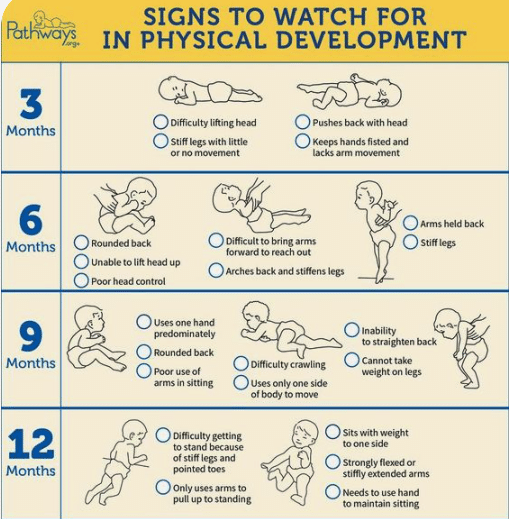
Frog sitting, or W-sitting, refers to a sitting posture where a child’s knees are bent, legs are splayed to the sides, and feet are positioned under the bottom. This posture can often be seen in children with developmental delays or conditions affecting muscle tone and joint stability. Pediatric physical therapists say prolonged W-sitting can lead to orthopedic issues and hinder motor skill development.

Frog sitting can be associated with several developmental conditions. Knowing these can help you understand and support your child better.
| Condition | Description |
|---|---|
| Low Muscle Tone | Kids with low muscle tone may find W-sitting comfortable due to joint laxity. |
| Hip Dysplasia | Frog sitting can indicate hip instability or dysplasia. |
| Developmental Delays | Children with developmental delays may frequently use this position. |
Recognizing these associated conditions can help you seek appropriate interventions. Early intervention can improve outcomes and support your child’s physical development.




Hennah is an experienced writer and researcher, helping children with autism, ADHD, and other neurodivergent conditions. As a blog contributor for Goally, she combines her deep understanding of neurodiversity with practical advice, offering valuable insights to parents and educators.