As someone who works with children, I often see parents wondering if their kids truly grasp the importance of hygiene. It’s a common concern, which is why I’ve developed a fun, interactive hygiene quiz specifically designed for kids. This quiz aims to make learning about cleanliness and grooming enjoyable and engaging. Before you introduce your children to the quiz, let’s delve into some key aspects of children’s hygiene that every parent should be aware of.
Table of Contents
The Basics of Children’s Hygiene
Above all, hygiene is crucial in maintaining a child’s health. It wards off infections and diseases, for instance, flu or the common cold, consequently keeping your home a healthier environment. On the other hand, proper grooming contributes positively to a child’s self-esteem and social interactions.
Importance of Regular Baths
Bath times are crucial, not just for cleanliness but also for winding down and relaxation. Besides, as kids spend most of their time playing outdoors, baths help eliminate all germs they may have collected.
- Try to establish a routine depending on the kid’s age. For example, toddlers and preschoolers should ideally have a bath every other day. In contrast, daily baths are recommended for older kids, especially once puberty hits.
- Remember to use child-safe products to protect their delicate skin.
Handwashing Habits
One of the most straightforward hygiene habits is washing hands. Teach your child to scrub their hands between fingers and under the nails after using the bathroom and before meals. Moreover, instilling these habits can significantly reduce the transmission of germs and diseases.
Dental Hygiene
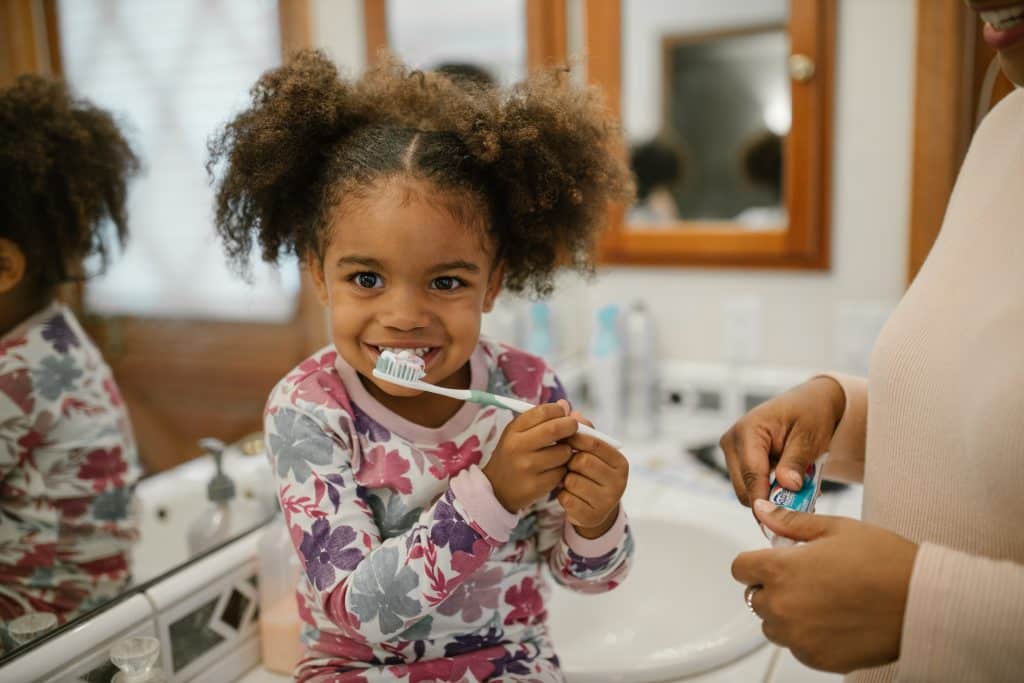
An often overlooked aspect is dental health. Cavities in children are a common problem; however, they’re largely preventable with consistent dental hygiene. For instance, brushing twice daily, flossing, and regular dentist visits.
The Sneezing and Coughing Etiquette
Teach your kids to cover their mouth and nose during a cough or sneeze to avoid spreading germs. Similarly, throw away used tissues promptly and follow up with a hand wash.
Read more: Hygiene Tips for Kids With Autism
Winning Hygiene Habits at Different Stages
Next, let’s delve into some age-appropriate hygiene habits. Understanding what’s normal and appropriate for every stage can empower you to guide your children better and offer timely intervention.
- Ages 2-4: Focus on basic habits like washing hands and brushing teeth. Bath time can be made fun with toys and stories.
- Ages 5-8: Start teaching them to shower independently. They can also start helping with minor housework, which will instill cleanliness habits.
- Ages 9-12: Discuss hygiene related to physical changes that accompany puberty.
Common Hygiene Challenges and Solutions
Even with all these fun strategies, you might still encounter some resistance to hygiene routines. Don’t worry – it’s completely normal! Here are some common challenges I’ve encountered and strategies to overcome them:
| Challenge | Solution |
|---|---|
| Refusing to brush teeth | Let them choose their toothbrush and toothpaste flavor. Make it a family activity where everyone brushes together. |
| Disliking baths | Add fun bath toys or color-changing bath tablets. Try a shower instead if baths are consistently problematic. |
| Forgetting to wash hands | Place colorful reminders near sinks. Use scented soaps to make it more appealing. |
| Rushing through hygiene tasks | Use timers or songs to ensure adequate time is spent. Reward thorough hygiene practices. |
| Sensory issues with certain products | Experiment with different textures and scents. Gradually introduce new products alongside familiar ones. |
Remember, consistency is key. It might take time, but with patience and persistence, good hygiene habits will develop.
Adapting Hygiene Routines for Kids with Special Needs
In my work with neurodivergent kids, I’ve learned that hygiene routines often need some tweaking. Every child is unique, and what works for one might not work for another. That’s why it’s crucial to approach hygiene with flexibility and understanding.
For kids with sensory sensitivities, hygiene tasks can sometimes feel overwhelming. I’ve worked with children who found the sound of running water distressing or the feeling of toothbrush bristles unbearable. In these cases, we get creative.
Here are some strategies I’ve found helpful:
- Use visual schedules to outline hygiene steps
- Offer choices (e.g., “Do you want to brush your teeth or wash your face first?”)
- Introduce new hygiene products gradually
- Use timers or music to make routines predictable
- Practice hygiene tasks during calm times, not just when they’re necessary
One success story that stands out to me is a young boy with autism who struggled with handwashing. We created a special “handwashing story” book with photos of him going through each step. After a few weeks of reading the book daily, he started initiating handwashing on his own!

Read more: Create a Successful Bath Routine for Your Child With Autism
The Role of the Hygiene Quiz
Knowledge is essential in maintaining proper hygiene. That said, what better way to instill this knowledge in your kids than through a fun hygiene quiz? The quiz aims to improve your child’s understanding of hygiene practices and their importance.
Turning Quiz Results into Action
Once your child has completed the hygiene quiz, it’s time to put that knowledge into practice. Here’s how you can use the results to improve your family’s hygiene habits:
- Create a visual hygiene chart: Based on the areas where your child excelled or needed improvement, design a colorful chart that outlines daily hygiene tasks.
- Set up a reward system: Offer small incentives for consistently following good hygiene practices identified in the quiz.
- Practice together: If the quiz revealed areas of confusion, take time to demonstrate proper techniques and practice as a family.
- Revisit regularly: Hygiene quizzes aren’t one-and-done. Make it a fun family activity to retake the quiz every few months and see how everyone’s knowledge improves.
- Adapt as needed: As your child grows and develops, their hygiene needs will change. Update your approach based on their age and abilities.
In my experience working with kids, I’ve found that consistency and positive reinforcement are key when it comes to hygiene education. A well-crafted hygiene quiz can be the perfect starting point for ongoing conversations about health and cleanliness.
Goally | Skills Training Videos for Kids
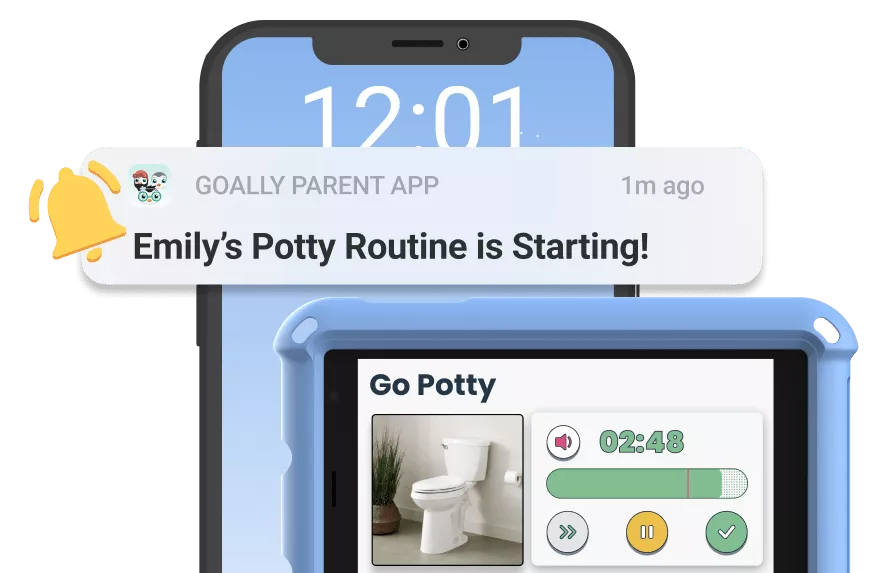
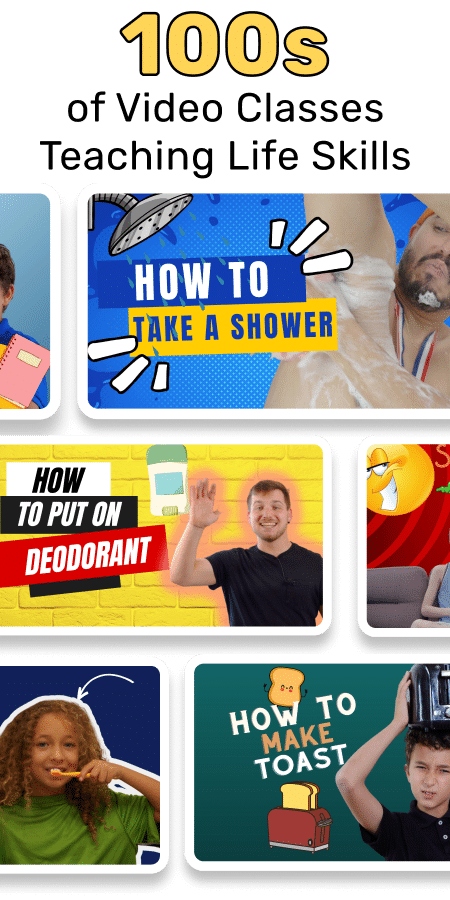
Does your child need some extra guidance on building essential life skills? Goally’s TV app for kids has the most robust video library of skills training videos for kids. Ranging from content like “How to Brush Your Teeth” to “How to Make Friends at School,” we have dozens of interactive video lessons for kids with thinking and learning differences.
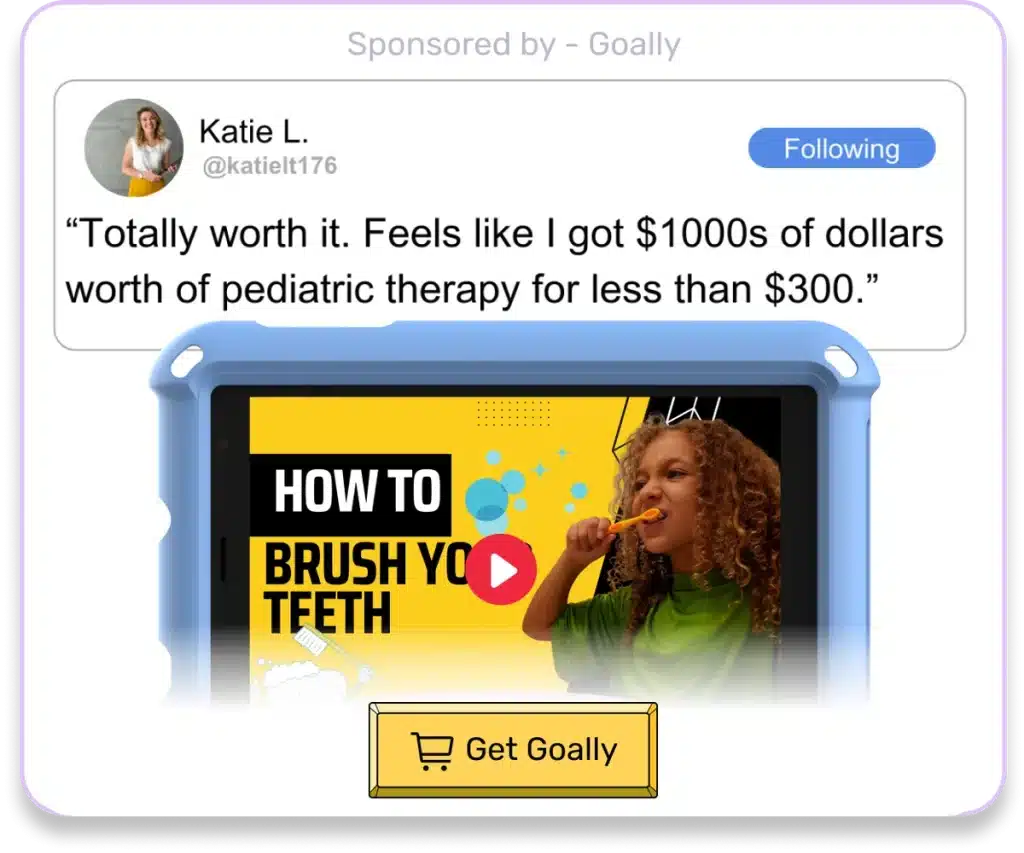
Dive into the Goal Mine channel, where Puffy the Penguin leads your child through behavior skills training videos. They’ll learn social, hygiene, and living skills that are key to their independence. For those moments when they need a break, the Chill Zone channel offers low stimulation video content with Paulie the Penguin at the beach, perfect for relaxation and self-regulation.
Teaching kids about hygiene doesn’t have to be a daunting task. By using fun and engaging methods like quizzes, games, and songs, you can help your kids develop good hygiene habits that will keep them healthy and happy. Remember, consistency is key, so make these activities a regular part of your child’s routine. With the right approach, hygiene education can be both effective and enjoyable for you and your kids.
Resources:
FAQs about Hygiene Quiz
Why should I use a hygiene quiz for my kids?
A hygiene quiz is an engaging way to teach children about cleanliness and health habits. It makes learning fun while helping you identify areas where your child might need more guidance or education.

How often should I give my child a hygiene quiz?
It's beneficial to use hygiene quizzes regularly, such as once every few months. This allows you to track your child's progress and reinforce important hygiene concepts as they grow and develop.

Are hygiene quizzes suitable for children with special needs?
Yes, hygiene quizzes can be adapted for children with special needs or learning differences. You can modify the quiz format, questions, and response methods to suit your child's specific abilities and learning style.

What age is appropriate to start using hygiene quizzes?
You can start introducing simple hygiene quizzes to children as young as 2 or 3 years old. As they grow, you can gradually increase the complexity of the questions to match their developmental stage and understanding.

How can I make a hygiene quiz more interactive and fun?
Incorporate visual aids, hands-on demonstrations, and even role-playing scenarios into your hygiene quiz. You can also turn it into a family game or challenge, making hygiene education a fun and collaborative experience for everyone.
This post was originally published on 09/02/2023. It was updated on 07/19/2024.

Goally
We help parents teach their kids life skills, like doing bedtime and morning independently. Backed by science, we incorporate evidence-based practices and expert-informed designs in all of our apps and content.