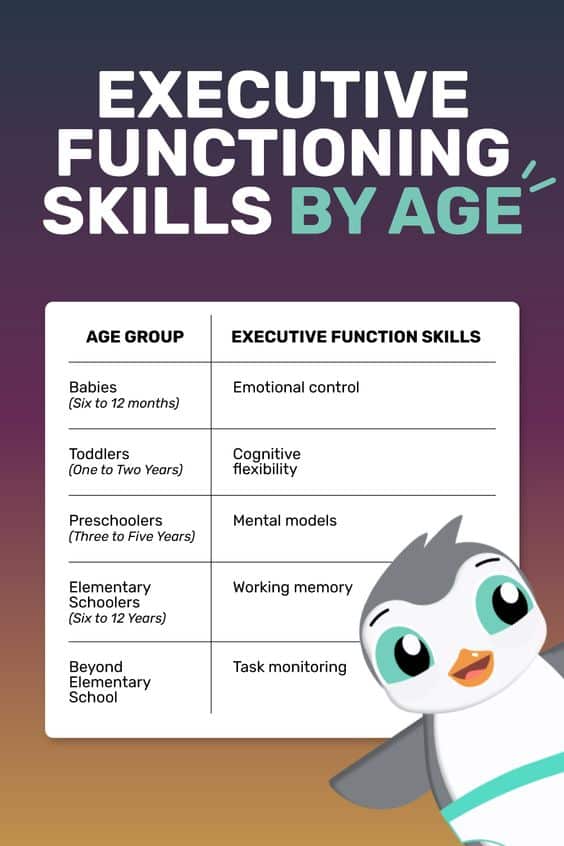
Executive function deficits are problems with controlling thoughts, emotions, and behavior. Kids with these deficits might struggle and need help to plan, focus, or manage their time.



Is Executive Function Deficit the same as ADHD?
While ADHD often involves challenges with executive function, they aren’t the same. A person can have Executive Function Deficit without having ADHD, and vice versa.
Can adults have Executive Function Deficit?
Yes, while often identified in childhood, adults can also have Executive Function Deficit. Some adults may even realize it later in life after noticing consistent patterns of behavior.
How is Executive Function Deficit diagnosed?
It’s typically diagnosed by professionals like psychologists or neuropsychologists through evaluations, observing behaviors, and considering a person’s history and challenges.
Does Executive Function Deficit improve with age?
For some, executive functioning skills can develop and improve with age and practice. However, others might need ongoing strategies and supports throughout their life.


Executive function deficits, also known as executive dysfunction, are neurological conditions that impair an individual’s ability to regulate cognitive processes. These include difficulties with working memory, flexible thinking, and self-control. According to the National Institute of Mental Health, these deficits can significantly impact a child’s academic performance and social interactions.

These deficits impact various aspects of a child’s daily life. Here’s how it can show up:
| Issue | Description |
|---|---|
| Planning | Difficulty creating and following a plan |
| Focus | Trouble staying attentive to tasks |
| Time management | Inaccurate estimation of task duration |
Addressing executive function deficits with strategies like breaking tasks into smaller steps and creating routines can help kids succeed.
This post was originally published on August 13, 2023. It was updated on May 24, 2024.