As a parent, you might have noticed your neurodivergent child walking on their toes and wondered why. Toe walking is a common behavior among autistic kids, and understanding the reasons behind it can help you better support your child’s development. In this post, we’ll explore the possible causes of toe walking, its impact on your child’s physical and emotional well-being, and strategies to address this behavior. So, let’s get to the bottom of the question: why do autistic kids walk on their toes?
Table of Contents
Goally | Visual Scheduler for Autism

Does your child struggle with getting ready in the morning independently? Goally’s routine app on the best tablet for kids breaks down large tasks into small, achievable steps for autistic kids. Create custom routines with your own videos & pictures for every step.
Understanding Toe Walking in Autistic Kids
First, let’s clarify that toe walking is not exclusive to autistic kids. Many children, neurodivergent or not, may walk on their toes during their early years. However, toe walking is more prevalent among kids with autism. Some possible reasons for this behavior include sensory processing differences, muscle tightness or imbalance, and habit or self-soothing.
To better understand why autistic kids walk on their toes, let’s take a closer look at these factors:
- Sensory processing differences: Autistic kids often experience sensory processing differences, which can make them more sensitive to the textures and sensations on the ground. Toe walking may be a way for them to minimize contact with uncomfortable surfaces.
- Muscle tightness or imbalance: Some autistic kids may have tightness in their calf muscles or an imbalance in muscle strength, leading to toe walking.
- Habit or self-soothing: Toe walking can become a habit or a self-soothing mechanism for autistic kids, providing comfort and predictability in their movements.

Read More: Sensory Processing
Addressing Toe Walking: When to Seek Help
While toe walking may be a harmless quirk for some kids, it’s crucial to monitor this behavior and seek professional help if needed. For example, if your child is experiencing pain, difficulty walking, or social challenges due to toe walking, it’s time to consult a healthcare professional. Moreover, if toe walking persists beyond the age of five, it’s essential to seek expert advice.
Here are some signs that it might be time to seek help for your child’s toe walking:
| Signs | Explanation |
|---|---|
| Pain or discomfort | If your child complains of pain or discomfort while walking, it could indicate an issue that needs addressing. |
| Difficulty walking | Toe walking can make it challenging for your child to walk long distances or navigate uneven surfaces. |
| Social challenges | Toe walking can sometimes lead to social challenges, as other kids might tease or exclude your child. |
| Persistence beyond age five | Most children outgrow toe walking by age five. If your kid continues to walk on their toes, it’s worth seeking professional advice. |

Read More: Why Do Kids Walk on Their TipToes?
Supporting Your Child: Strategies and Interventions
Now that we’ve covered why autistic kids walk on their toes let’s explore some strategies and interventions to support your child. Above all, remember that each child is unique, and what works for one kid may not work for another. Here are some approaches to consider:
- Physical therapy: A physical therapist can assess your child’s muscle strength, flexibility, and gait and develop a tailored exercise program to address toe walking.
- Occupational therapy: An occupational therapist can help your child with sensory processing challenges and develop strategies to manage their sensory needs.
- Orthotics or footwear: Custom orthotics or supportive footwear can help improve your child’s walking pattern and encourage a more typical gait.
- Positive reinforcement: Encourage your child to walk with a flat foot by praising and rewarding their efforts when they do so.

Goally | Best Videos to Teach Life Skills
Give your kid an independent future. Goally has 100+ video classes teaching life skills like “How to Choose a Restaurant,” “How to Interrupt Politely,” and “How to Get Ready for School.”
Goally takes kids on an adventure that includes interactive practice and checkpoints along the way! No web browsers, YouTube, or social media.
As you try these strategies, remember that tools like Goally can help support your child’s development by providing structure and routine. Goally’s learning tablet and apps are designed specifically for neurodivergent kids, making it an excellent resource for parents like you.
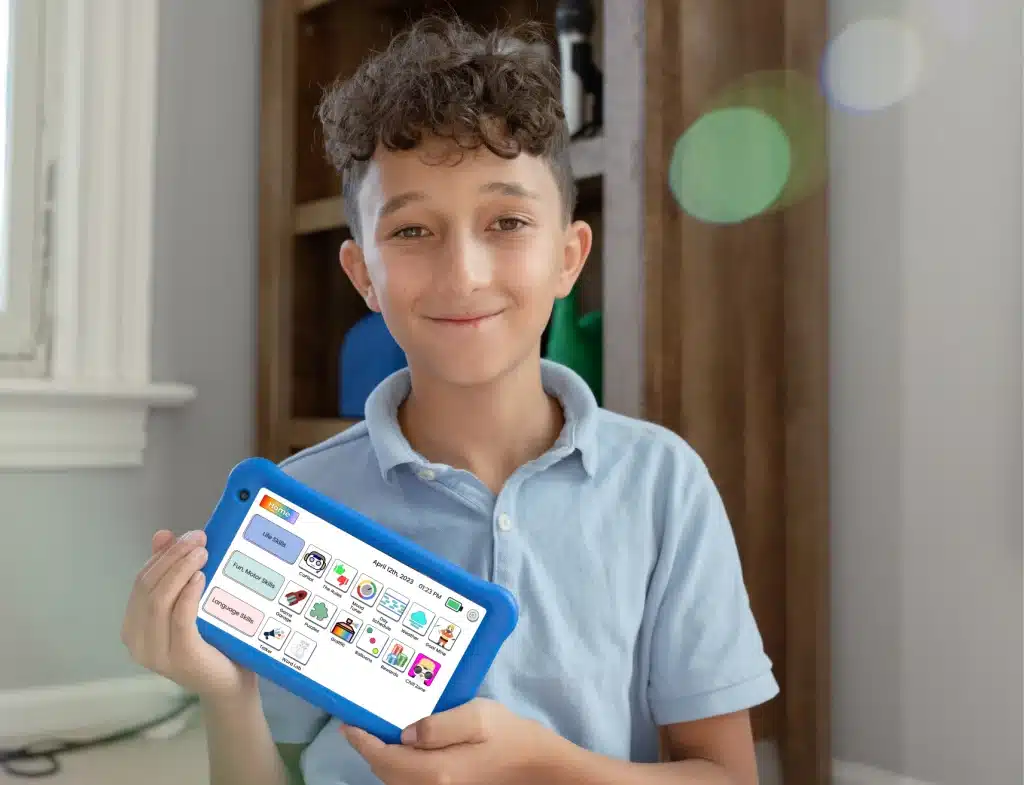
Give your kid an independent future. Goally has 15+ learning apps that teach life skills. There are NO web browsers, social media, or YouTube.
Our apps teach executive function, language, emotional regulation, finger dexterity skills, and more. It also 100+ video classes teaching social skills.
Embracing Your Child’s Uniqueness
In short, understanding why autistic kids walk on their toes is essential in providing the right support for their development. However, it’s also crucial to embrace your child’s uniqueness and celebrate their individuality. While addressing toe walking may be necessary for some cases, remember that it’s just one aspect of your child’s journey. By fostering a supportive and accepting environment, you can help your neurodivergent child thrive and reach their full potential. As you support your child’s growth, don’t forget to utilize resources like Goally to help create structure and consistency in their daily routines. With the right tools and understanding, you can make a significant difference in your child’s life.
This post was originally published on 06/08/2023. It was updated on 07/13/2023.

Goally
We help parents teach their kids life skills, like doing bedtime and morning independently. Backed by science, we incorporate evidence-based practices and expert-informed designs in all of our apps and content.