Understanding IEP violations is crucial for parents of children with special needs. This guide explores common violations and provides actionable steps to address them, ensuring your child receives the education they deserve.
Key takeaways:
- IEP violations can hinder a child’s educational progress
- Common violations include failure to implement the IEP and inadequate progress monitoring
- Documenting issues and communicating with the school are essential steps
- Outside support may be necessary if problems persist
What are examples of IEP violations? Common examples of IEP violations include failure to implement the agreed-upon IEP, inadequate progress monitoring, and inappropriate placement. Failure to implement the IEP may involve not providing necessary accommodations, services, or supports outlined in the document. Inadequate progress monitoring occurs when the school doesn’t track the child’s progress towards their IEP goals, potentially missing opportunities for adjustments. Inappropriate placement happens when a child is not in the least restrictive environment as specified in their IEP, which can significantly impact their educational experience.
Table of Contents
IEP 101: A Quick Refresher
Before we talk about examples of IEP violations, let’s quickly remember what an IEP is. An IEP is a legal document that explains the specific educational goals, accommodations, and services for kids with thinking and learning differences. It’s made to make sure your child gets the right education for their unique needs.
IEPs are vital because they help schools understand how to support your child. They also give you, as a parent or caregiver, a way to make sure your child is getting the help they need. Now that we’ve refreshed our memory on what an IEP is, let’s dive into some examples of IEP violations.
Uncovering Examples of IEP Violations
Now that we’re all on the same page let’s look at some common examples of IEP violations that you should know as a parent or caregiver. These violations can happen in different ways, but every violation has one thing in common: they can stop your child from getting the education they need and deserve.
1. Failure to Implement the IEP
One of the most obvious examples of IEP violations is when the school doesn’t follow the agreed-upon IEP. This can include not giving the necessary accommodations, services, or supports written in the IEP. When this happens, your child might struggle in school because they’re not getting the help they need.

Read More: What Is the IEP Goal for Following Visual Schedules?
- Not accommodating your kid (e.g., extra time on tests, special seating)
- Not given services (e.g., speech therapy, occupational therapy)
- Supports (e.g., helpful technology, extra help from staff) not being available
If you notice any of these warning signs, it’s important to talk to your child’s school right away. They might not realize there’s a problem, and talking to them can help get things back on track.
2. Inadequate Progress Monitoring
IEPs should change as your child grows and learns. If the school isn’t watching your child’s progress toward their IEP goals, this could be a violation. When schools don’t keep track of your child’s progress, they might not know when to make changes to the IEP. This can make it harder for your child to reach their goals.
- Not getting regular progress reports
- Not enough information on your child’s progress
- Not changing the IEP based on your child’s progress (or lack of progress)
Keep an eye on your child’s progress reports and ask questions if you need more information. You have the right to know how your child is doing, and staying informed can help you make sure their IEP is working for them.

Read more: Your Questions Answered About the IEP Process
3. Inappropriate Placement
Making sure your child is in the least restrictive environment (LRE) is an important part of their IEP. If your child is in a setting that doesn’t match their IEP, this could be a violation. The right placement can make a big difference in how well your child does in school, so it’s important to make sure they’re in the right place.
- Being in a more restrictive setting than needed
- Being in a general education classroom without the right supports
- Being in a special education classroom when the IEP doesn’t say they need it
If you think your child’s placement isn’t right, talk to their school about your concerns. They can make changes that will help your child succeed.
Empower Yourself: Steps to Address IEP Violations
Now that you know some examples of IEP violations, it’s important to know how to fix them. We will provide you with the steps you can take to make sure you are protecting your child’s rights. Remember, you’re your child’s best advocate, and taking action can help them get the education they deserve.
1. Document Everything
When it comes to fixing IEP violations, writing everything down is your best friend. Keep a detailed record of any problems, including dates, times, and specific events. This will be very helpful if you need to take the issue further.
Having a record of what’s happening can also help you stay organized and make sure you remember all important details. Plus, it can show the school that you’re serious about making sure your child gets the help they need.
2. Communicate with the school
Talking openly with your child’s school is critical. Share your concerns with the right school staff, like your child’s teacher, special education coordinator, or principal. Ask for a meeting to talk about the issue and work together to find a better solution.
When you talk to the school, try to stay calm and focused on your child’s needs. Remember that everyone wants your child to succeed, and working together can help make that happen.
3. Request an IEP Meeting
If the problem continues, ask for an IEP meeting to talk about the violations. This is a chance to look at the IEP, discuss your concerns, and make any needed changes to make sure your child’s needs are being met.
During the meeting, have your your documentation to share and explain why you think there’s a problem. Listen to what the school has to say, and work together to find a solution that works for everyone.
4. Seek Outside Support
If you’re still having trouble fixing the issue, think about getting outside help. This could include talking to a special education advocate, attorney, or your state’s Parent Training and Information Center (PTIC).
Getting help from an expert can give you new ideas and support as you work to make sure your child gets the education they need. Plus, it can show the school that you’re serious about making sure you are protecting your child’s rights.
Goally | Apps To Support Child Development
Looking for fun ways to help your child learn life skills? Try Goally! The Goally tablet comes with award-winning learning apps and video classes to help kids develop the skills they need to become independent with FUN & evidence-based practices.
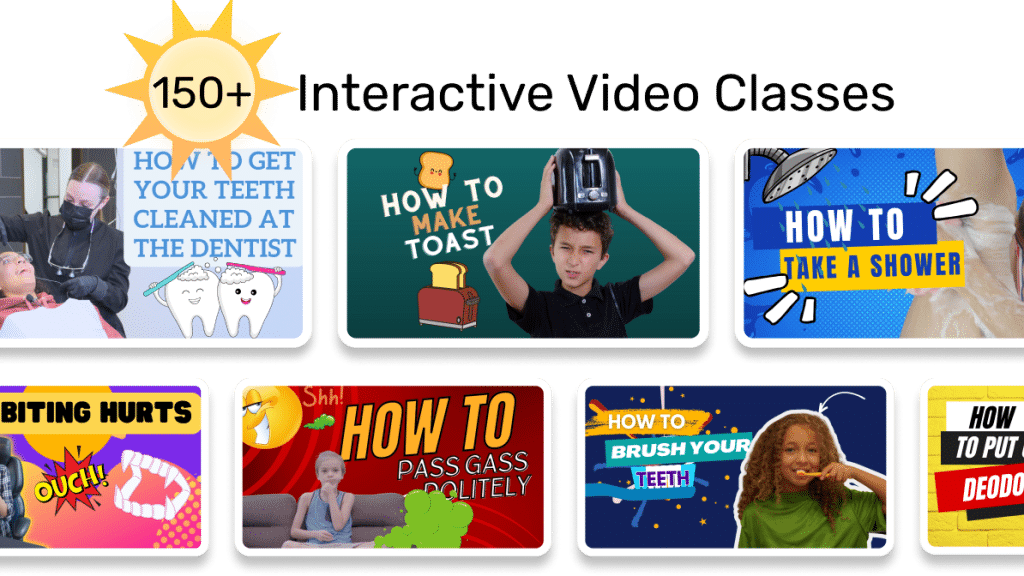
Our apps teach executive function, language, emotional regulation, finger dexterity skills, and more.
As your child develops new skills, you can increase the difficulty level of the tasks in the app to challenge and motivate them even further. This helps your child grow and progress at their own pace, while also keeping them engaged and excited about their development.
By learning about examples of IEP violations and knowing how to fix them, you’re taking an active role in protecting your child’s education. Keep talking with your child’s school, stay informed about your rights, and never be afraid to speak up when something doesn’t seem right. Together, we can work on creating a brighter future for our neurodivergent kids.
Helpful Resources
FAQs About IEP Violations
What is an IEP violation?
An IEP violation occurs when a school fails to adhere to the stipulations of a student's Individualized Education Program (IEP), potentially impacting the student's ability to succeed.
What should I do if I suspect an IEP violation?
If you suspect an IEP violation, document your concerns, communicate with the school, and consider seeking advice from a special education advocate or attorney.
How does an IEP violation affect my child?
An IEP violation can hinder your child's academic progress, social development, and overall well-being by denying them the individualized support they need to succeed.
What rights do parents have regarding an IEP?
Parents have the right to participate in IEP meetings, access school records, request changes to the IEP, and appeal decisions they disagree with.
Can IEP violations be rectified?
Yes, IEP violations can often be rectified through communication with the school, formal complaints, mediation, or, in extreme cases, legal action.
This post was originally published on 04/18/2023. It was updated on 08/28/2024.

Emily is a seasoned blog writer for Goally, leveraging her extensive background in child psychology and special education to provide valuable insights and resources for parents. Her commitment to understanding and addressing the unique needs of these children, combined with her expertise in educational strategies, makes her a credible and empathetic voice for families.