Visualize this scenario: You’re on your way to drop your little one at school when those familiar tears well up in their eyes. Their grip on your hand tightens and their heartbeat quickens. It’s a moment that defines autism and separation anxiety and it can be quite the emotional rollercoaster. Interestingly, around 9.4% of kids aged 3-17 years – which is about 5.8 million children – have been diagnosed with anxiety. But don’t worry, we’re in this together. We’re ready to guide you with actionable tips to soothe your child’s separation anxiety, aiming to transform those teary farewells into happier, more peaceful goodbyes.
Table of Contents
Understanding Your Child’s Separation Anxiety
Navigating the world of “autism and separation anxiety”? Let’s first step into your child’s shoes. Separation anxiety is quite common in children, particularly those with diverse thinking and learning styles. It can strike anywhere between 18 months and 3 years old, but don’t be surprised if older kids experience it, too. Your child might express this through tears, clinginess, or even tantrums.
Understanding your child’s separation anxiety is like solving a puzzle. Spotting the triggers is the first piece. Let’s explore some usual suspects and ways to manage them. This way, we can arm ourselves with strategies to ease the journey through separation anxiety for both you and your child.
Figuring Out the Reasons
- New places: Starting school or daycare can be scary for any child, but it can be extra tough for neurodivergent kids. They might feel nervous about new surroundings and routines.
To help your child feel more comfortable, visit the new environment together before they start. Show them around, introduce them to their teachers or caregivers, and talk about what they can expect.
- Changes: Shifts in family life, like a new brother or sister or a parent going back to work, can cause separation anxiety.
When big changes happen, talk to your child about what’s going on. Explain the situation in simple, easy-to-understand words, and reassure them that you’ll always be there for them.
- Sensory issues: Kids with sensory processing differences might feel overwhelmed by the sights, sounds, and smells of a new place, making it harder to say goodbye.
To help your child cope, practice calming techniques like deep breathing or using a fidget toy. You can also create a “calm down kit” with comforting items they can use when they feel overwhelmed.

Read more: How to Help Your Toddler With Anxiety
Tips to Calm Separation Anxiety
Now that we know some common reasons let’s talk about helpful tips to ease your child’s autism and separation anxiety. We’ll cover the importance of routines, gradual goodbyes, and boosting your child’s confidence.
Stick to a Routine
Routines make kids feel safe and sure, especially those with thinking and learning differences. Having a regular morning and bedtime routine can help your kid feel more at ease when it’s time to part ways.
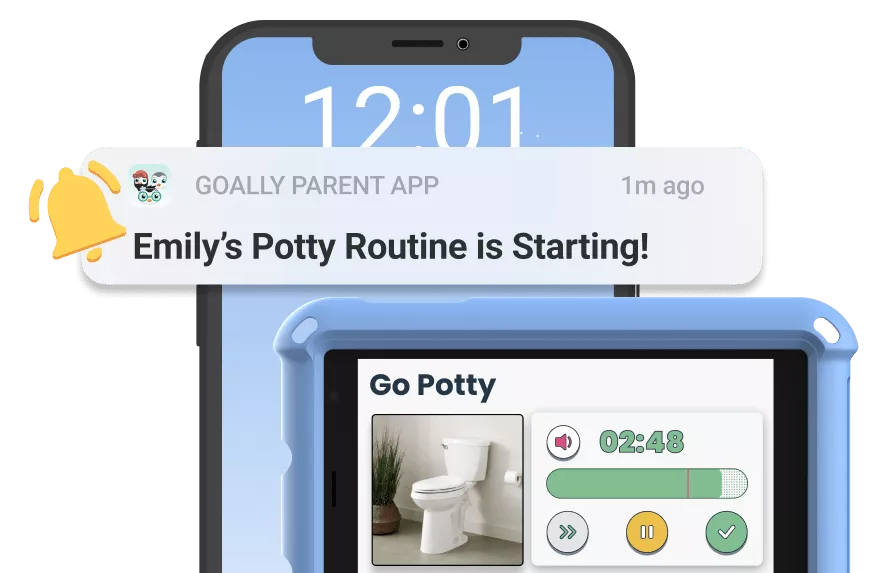
- Create a picture schedule: Use images or symbols to show each step of the routine, making it simpler for your child to understand and follow.
- Keep it the same: Follow the same routine every day, even on the weekends, to assist your child in feeling more secure.
- Practice the routine: Before school or daycare starts, practice the morning routine at home to help your child get used to it.
Slow and Steady Goodbyes
Getting your child used to new situations slowly can help lower separation anxiety. Here’s how:
- Check out the new place together: Before school or daycare begins, visit the site with your child. Show them around and introduce them to their teachers or caregivers.
- Try short separations: Start with quick periods of separation, like leaving your child with a trusted caregiver for a little while. Slowly make the time longer as your child gets more comfortable.
- Make a goodbye routine: Create a special way to say goodbye, like a hug, a high-five, or a secret handshake. This can help your child feel safer during separation.
Boosting Your Child’s Confidence

Read More: How to Build Confidence in Kids
Helping your child feel brave and able can really help with autism and separation anxiety. We’ll discuss cheering on independence, offering support, and giving comfort items.
Cheer on Independence
Please encourage your child to practice doing things on their own, like getting dressed, brushing their teeth, and packing their backpack. This can help your kid feel more confident and independent.
- Praise their efforts: Celebrate your child’s successes, no matter how small. This will help build their self-esteem and encourage them to keep trying.
- Be patient: Learning new skills takes time. Be patient and supportive as your kid works on becoming more independent.
Offer Support
Let your child know that you’ll always come back for them. Use simple, easy-to-understand words to explain where you’re going and when you’ll be back.
- Stay positive: Keep a positive attitude when talking about separation. This will help your kid feel more secure and confident.
- Be consistent: Always follow through on your promises to return. This will help your child trust that you’ll be there for them.
Give Comfort Items
Allow your child to bring something comforting, like a stuffed animal or blanket, to help your kid feel safer when you’re not there.
- Choose the right item: Pick something that’s easy to carry and won’t be a distraction at school or daycare.
- Set limits: Make sure your child understands when and where they can use their comfort item to avoid conflicts with teachers or caregivers.
When to Ask for Help
If your child’s separation anxiety keeps happening or gets worse, it might be time to ask for professional help. A therapist or counselor who knows how to work with neurodivergent kids can give guidance and support for both you and your child.
- Look for signs: If your child’s anxiety is affecting their daily life or causing them extreme distress, it’s time to seek help.
- Ask for recommendations: Talk to your child’s teacher, pediatrician, or other parents for suggestions on finding the right professional.
Goally | Apps To Support Child Development
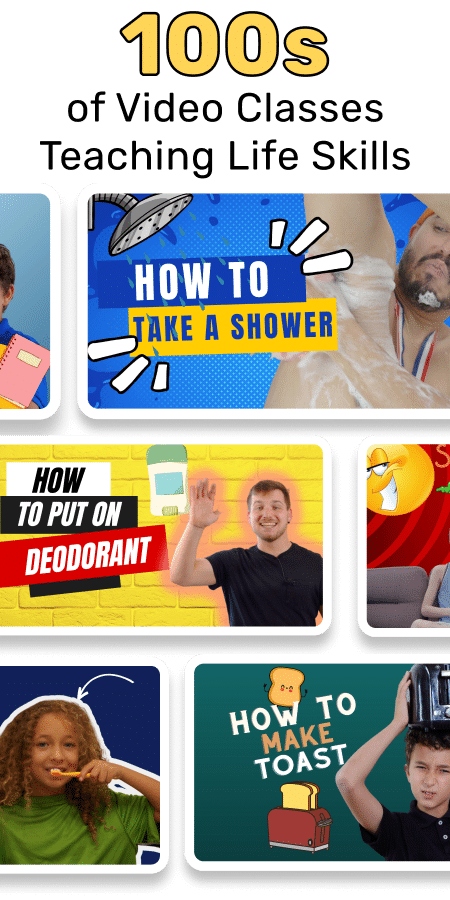
Looking for fun ways to help your child learn life skills? Try Goally! The Goally tablet comes with award-winning learning apps and video classes to help kids develop the skills they need to become independent with FUN & evidence-based practices.
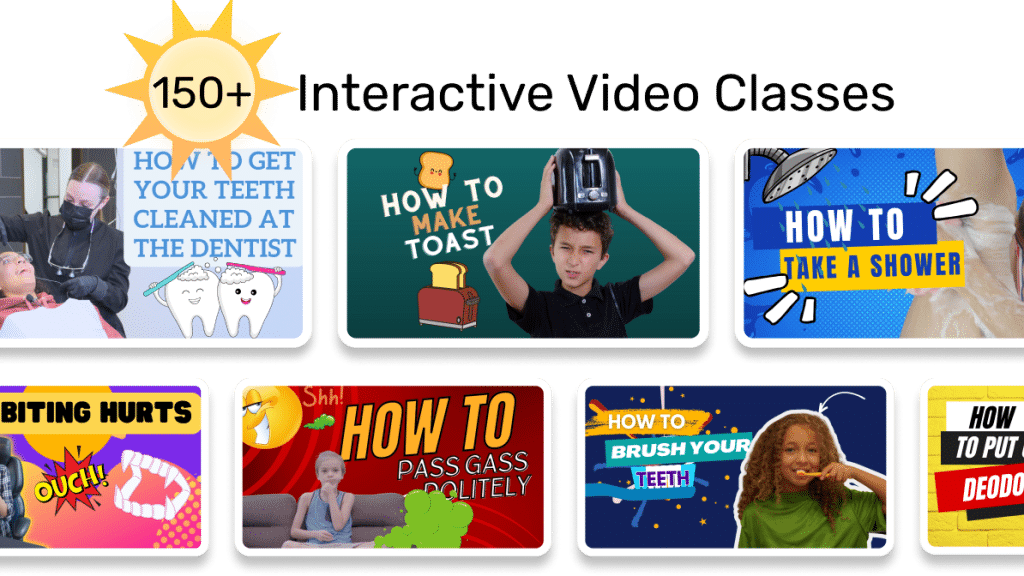
Our apps teach executive function, language, emotional regulation, finger dexterity skills, and more.
As your child develops new skills, you can increase the difficulty level of the tasks in the app to challenge and motivate them even further. This helps your child grow and progress at their own pace, while also keeping them engaged and excited about their development.
The Path to Happier Goodbyes
Easing your child’s separation anxiety is a journey, and it might take time and patience. But with these tips in your toolbox, you’ll be on your way to making those goodbyes less teary and more empowering for you and your child. You are not alone in this journey, and there’s a whole group of parents and caregivers who understand what you’re going through. So take a deep breath, give your child a comforting hug, and know that you can do this!
This post was originally published on 04/13/2023. It was updated on 09/20/2023.

Goally
We help parents teach their kids life skills, like doing bedtime and morning independently. Backed by science, we incorporate evidence-based practices and expert-informed designs in all of our apps and content.