In my experience working with autistic children, I’ve noticed they often play differently compared to their peers. For instance, they may not show any interest in games that require playing “make believe” or pretending to be someone, something or somewhere else (symbolic play). They are more likely to engage in repetitive behaviors and generally prefer to play by themselves. Kids with autism may also ignore or appear unaware of other children playing in the same area or even right next to them, and are unlikely to naturally want to engage in social communication or “shared play.”
Table of Contents
Why is Play More Difficult for Children on the Autism Spectrum?
When it comes to autism play, it’s essential to recognize that children on the autism spectrum may experience play differently than their peers. This is due to developmental brain differences that can make it challenging for them to engage in play in the same way typical children do. However, this doesn’t mean that kids with autism spectrum disorders (ASDs) cannot enjoy playtime; it’s just that their approach might be different. As a result, they may take longer to make friends with their peers, and parents might need to think outside the box to find ways to connect with their children through play.
Autism play can be a fantastic way to foster connections with your child, even if it looks different from the play of the average child. Being aware of these differences and adapting play strategies to suit your child’s needs can make a world of difference in helping them feel truly connected during playtime. Remember, with the right approach and understanding, autism play can be a fun and rewarding experience for both you and your child. And don’t forget, Goally’s tablet and app can be a helpful resource to support parents in navigating these differences and facilitating enjoyable play experiences for children with ADHD and Autism.
Some of the challenges that children with ASDs face that can prevent them from playing in “typical” ways include:
Read More: 5 Tips for Helping a Child With ADHD Clean Their Room
Difficulty with Pretend or Symbolic Play
For children without autism, symbolic play generally starts after the age of one. Behaviors like using a large block as a pretend phone, or holding/drinking out of a big coffee mug (even if there’s nothing in it) to “act like an adult” are both common examples of pretend play. As kids get older, they are even more likely to copy what they see in the world and use it as part of their symbolic play, often pretending to be certain people, like firemen or doctors. By age 4, pretend play becomes even more involved and complex. It’s not uncommon to see children making up completely new games and worlds, and involving their siblings and friends in their creations.
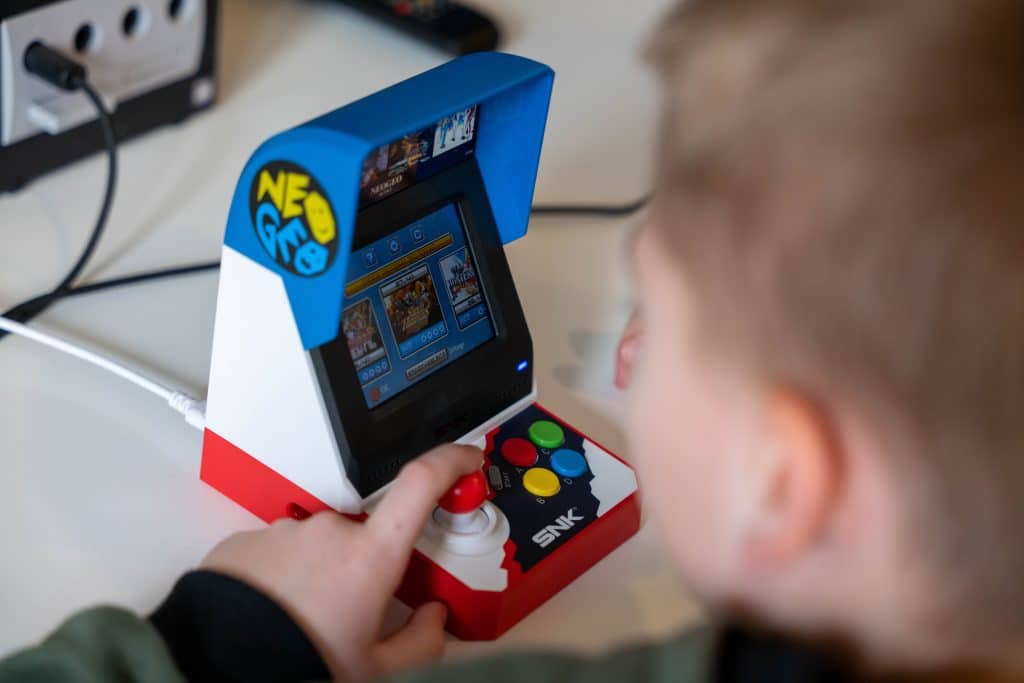
Children with ASDs find it harder to develop symbolic and pretend play skills unless these are intentionally taught. They usually use toys and objects for their actual purpose. For example, while a non-autistic child might pretend a broom is a horse, an autistic child would see the broom only for cleaning (though they might use it to play “house” by sweeping up). If they like cars, trains, or planes, they might push them around or line them up but wouldn’t create new stories or scenarios with them in shared play.
Read more: Kids on the Spectrum | What to Know
Difficulty Mimicking the Behavior of Others (Imitation Skills)
Typically-developing children will begin unconsciously copying what those around them are doing when they are quite young. This is the beginning of social mimicry and imitation development. Children with autism, on the other hand, usually have significant impairment in this area, including difficulty with mimicking facial expressions, body movements, object use and speech. For instance, a typically-developing child may notice another child playing with trains and then imitate them. An autistic child may not even notice the child playing with trains in the first place. This, in turn, can interfere with the development of social communication skills and social bonding (however, it’s important to note that this is another skill that can be taught by the right therapist).
Read more: Autism Spectrum Test Child
Difficulty with Joint Attention & Social Referencing
Joint attention requires two components:
- Two people need to share an interest in an object (a toy) or an event (watching a soccer game)
- The same two people must understand that they are both interested in the same object or event.
Joint attention is important for social play, and most typical children have naturally developed foundational joint attention skills by 18 months. However, it also happens to be a skill that is very hard for most autistic kids to master because they simply aren’t “wired” to be interested in these types of socially-motivated interactions.
Children with ASDs often lack social referencing skills, which are crucial for social development. Social referencing is the ability to read facial cues. For instance, a typical child might look at their mother’s reaction while playing. If she looks afraid, the child may stop playing; if she smiles, the child continues. Autistic children might struggle to interpret these expressions, making it hard for them to understand or play with others.

Read More: What is ABA Therapy?
Difficulty with Pragmatic Language and Related Social Skills
Social pragmatics is the social use of language, including non-verbal cues like body language. It includes not just the words we use (what we say) but also how we say it (tone of voice). Understanding social pragmatics also helps us understand when to talk and when to let others speak (conversational turn taking). Other aspects of social pragmatics include:
- Interpretation of non-literal language
- Expression and interpretation of emotions,
- Showing interest in another person’s ideas and comments
- Problem solving
Because autistic children have difficulty with most if not all of the four major play skills mentioned prior, it makes it difficult for them to understand others’ intentions and react appropriately. And, because they don’t have the same desire to engage or communicate with potential playmates as typically-developing children do, it can make it hard for them to make friends, resulting in social exclusion, isolation, and even bullying.
Teaching Autistic Children Play Skills
A trained ABA therapist can help children with ASDs build the play skills they need via evidence-based practices like modeling, repetition (practicing) in a controlled space, behavior chain-building, and the intentional replacement of existing negative behaviors with positive ones.
Goally | Apps To Support Child Development
Looking for fun ways to help your child learn life skills? Try Goally! The Goally tablet comes with award-winning learning apps and video classes to help kids develop the skills they need to become independent with FUN & evidence-based practices.
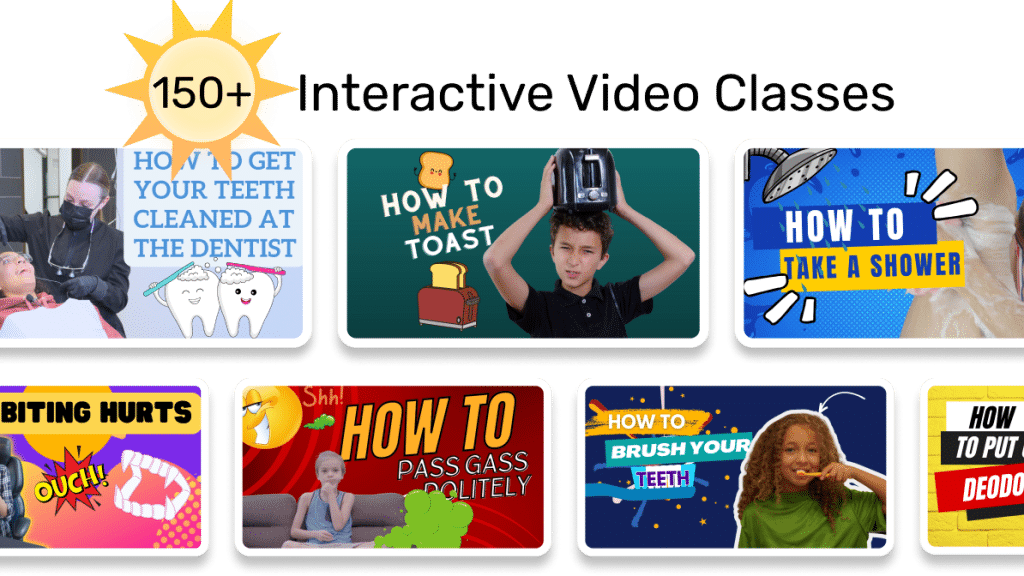
Our apps teach executive function, language, emotional regulation, finger dexterity skills, and more.
As your child develops new skills, you can increase the difficulty level of the tasks in the app to challenge and motivate them even further. This helps your child grow and progress at their own pace, while also keeping them engaged and excited about their development.
While many play skills may not come naturally to autistic kids, that doesn’t mean that they can’t be learned. Consistent ABA therapy, home practice and even apps and devices like Goally’s can give kids with autism the tools they need to be the best and most successful versions of themselves.
Helpful Resources
- Autism Science Foundation
- Zero to Three
- National Association for the Education of Young Children (NAEYC)
FAQ’s About Autistic Play
What is autistic play?
Autistic play refers to the unique ways children with autism engage in play, often involving repetitive activities and specific interests.

How can I encourage play in my autistic child?
You can encourage play by introducing structured activities, using visual aids, and following your child's interests.

Why is play important for autistic children?
Play is important for autistic children because it helps develop social skills, communication, and cognitive abilities.

What types of toys are best for autistic play?
Toys that are sensory-friendly, promote interaction, and encourage imagination are best for autistic play.

How can play therapy help my autistic child?
Play therapy can help by providing a safe environment for children to express themselves, learn social skills, and improve emotional regulation.
This post was originally published on 08/03/2022. It was updated on 07/19/2024.

Emily is a seasoned blog writer for Goally, leveraging her extensive background in child psychology and special education to provide valuable insights and resources for parents. Her commitment to understanding and addressing the unique needs of these children, combined with her expertise in educational strategies, makes her a credible and empathetic voice for families.