As someone who works closely with kids daily, I often hear parents ask, “Why are kids so loud?” This is a common concern; understanding the reasons can help manage the noise. In this blog, I’ll explore the various factors contributing to kids’ loudness, from developmental stages to environmental influences. Understanding why kids are so loud is important because it impacts their learning, social interactions, and emotional regulation. I’ll also share practical tips on how to create a calmer environment at home and help your kids develop better volume control.
Table of Contents
Developmental Reasons
Kids are naturally loud because they are still learning to control their volume. Their vocal cords and lungs are developing, and they often don’t realize how loud they are. Young kids, especially toddlers, are exploring their vocal abilities and may shout or scream simply because they enjoy their voice.
Another factor is that kids are still developing communication skills. They may raise their voice to express excitement and frustration or to get attention. As they grow older and their language skills improve, they usually learn to modulate their volume better.
Best Parent-Approved AAC App:

Goally comes with an easy-to-use, fully customizable AAC device to help kids communicate. If you’re on a waitlist, this is the fastest way to get your child access to an AAC Talker and start communicating!
Environmental Influences
The environment significantly affects how loud kids are. A noisy household can contribute to kids raising their voices to be heard. Kids might think being loud is the norm if the TV is always on or there’s constant chatter. Similarly, if they spend a lot of time in noisy places like playgrounds or busy classrooms, they might get used to speaking loudly.
Additionally, kids often mimic the behavior of adults around them. Kids are likely to do the same if parents or caregivers speak loudly. It’s important to model the behavior you want to see in your kids.
Emotional Expression
Kiddos express their emotions through their voices. They tend to be louder when they are excited, happy, or even upset. This is a normal part of emotional development. Loudness can be a way for kids to release energy or to seek comfort and attention from adults.
Understanding this can help parents respond more empathetically. Instead of getting frustrated with the noise, try to understand what emotion your child is expressing and address the underlying need.

Attention-Seeking Behavior
Kids often use loudness to get attention. They might resort to being loud if they feel ignored or want to make sure they are noticed. This behavior can be common in households with multiple children where each child competes for attention.
Providing regular, focused attention can help reduce this behavior. Please make time to listen to your child and acknowledge their feelings, which can decrease their need to raise their voice for attention.
Practical Tips to Manage Loudness
Here are some practical strategies to help manage your child’s volume and create a quieter environment at home:
- Model Quiet Behavior: Speak softly and calmly to encourage your child to do the same.
- Set Volume Limits: Establish clear rules about indoor voice levels and practice them regularly.
- Provide Positive Reinforcement: Praise your child when they use a quieter voice.
- Create Quiet Time: Designate specific times of the day for quiet activities like reading or drawing.
- Use Visual Cues: Use visual schedules to remind kids of appropriate voice levels in different settings.

Read more: Autism Loud Noises in Kids | Parents Guide
Activities to Promote Volume Control
Engage your child in activities that help them practice controlling their volume. Here are some fun ideas:
- Whispering Games: Play games where your child has to whisper, like “telephone” or “quiet hide and seek.”
- Story Time: Read books in a soft voice and encourage your child to mimic your tone.
- Role-Playing: Act out scenarios where using an inside voice is necessary, such as being in a library or at a doctor’s office.
Using Technology to Help
various apps and tools can help kids learn to control their volume. Here are a few recommendations:
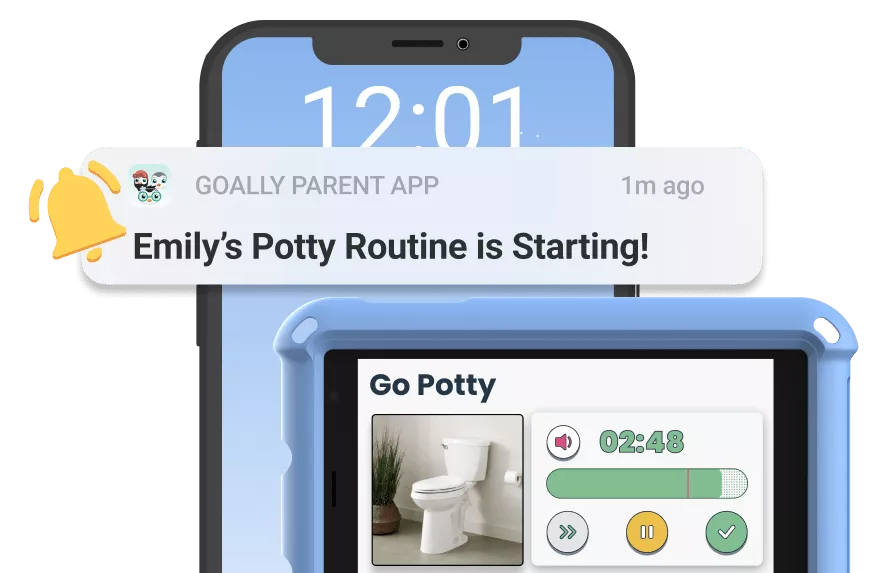
- Visual Schedule Apps: Use apps that include voice-level reminders to help kids stay mindful of their volume.
- Emotional Regulation Apps: These apps teach kids how to manage their emotions, which can help reduce loud outbursts.
- Reward Systems: Implement a reward system where kids earn points or stickers for using an appropriate volume.
Goally | The Tablet for Neurodiverse Kids

Understanding Sensory Needs
Some kids are loud due to sensory processing issues. They might seek out loud sounds or have difficulty regulating their own volume. Understanding and addressing these sensory needs can help manage loud behavior.
For kids with sensory processing challenges, consider consulting with an occupational therapist. They can provide strategies and tools to help your child better regulate sensory input and volume.
Communicating with Caregivers and Educators
Communicating with other caregivers and educators about your child’s loudness is important. Consistent strategies across different environments can reinforce good habits.
Share the techniques that work at home with your child’s teachers and other caregivers. This ensures everyone is on the same page and can support your child in managing their volume.
Goally | Apps that Teach Kids AAC & Core Words
Is your child facing challenges in expressing themselves or communicating effectively? Goally has one of the best language language learning apps for kids to support their journey in building essential communication skills!
The Word Lab and AAC Talker apps provide a simple, engaging platform for your child to learn core words and become a functional communicator right from the start. Customize the experience with a voice that suits them, and watch as their confidence grows in expressing their thoughts and needs!
Understanding why kids are so loud and implementing practical strategies can help create a calmer and more peaceful environment. You can help your child learn to control their volume effectively by addressing developmental, environmental, and emotional factors. Remember, patience and consistency are key in this journey.
Helpful Resources
FAQ’s About Why Are Kids So Loud?
Why are kids so loud?
Kids are loud because they are still learning to control their volume and express their emotions, often using loudness to communicate excitement or frustration.

What developmental reasons contribute to kids being loud?
Young kids explore their vocal abilities and may shout or scream simply because they enjoy the sound of their own voice and are still developing their communication skills.

How can the environment influence a child's loudness?
A noisy household or frequenting noisy places can make kids think being loud is normal, and they often mimic the behavior of loud adults around them.

How can parents help manage their kids' loudness?
Parents can manage loudness by modeling quiet behavior, setting volume limits, providing positive reinforcement, and creating quiet times for calm activities.

Why do kids use loudness to seek attention?
Kids often use loudness to seek attention when they feel ignored or want to be noticed, especially in households with multiple children.

Emily is a seasoned blog writer for Goally, leveraging her extensive background in child psychology and special education to provide valuable insights and resources for parents. Her commitment to understanding and addressing the unique needs of these children, combined with her expertise in educational strategies, makes her a credible and empathetic voice for families.