As a licensed practitioner who works with kids, I’ve seen firsthand how early detection of cerebral palsy can make a world of difference in a child’s life. Cerebral palsy is a group of disorders that affect movement, balance, and posture, and it’s usually caused by damage to the developing brain before, during, or shortly after birth. While every child develops at their own pace, there are some early signs of cerebral palsy that parents and caregivers should be aware of. In this article, I’ll share some of the most common early indicators of cerebral palsy so you can seek help for your child as soon as possible.
Table of Contents
1. Delayed Milestones
One of the most noticeable early signs of cerebral palsy is delayed milestones. Kids with cerebral palsy may take longer to reach developmental milestones such as rolling over, sitting up, crawling, and walking. According to the Centers for Disease Control and Prevention (CDC), about 1 in 345 children in the United States have been identified with cerebral palsy. If you notice that your child is consistently behind in reaching milestones, it’s essential to talk to your pediatrician.
Goally | The Tablet for Neurodiverse Kids
2. Abnormal Muscle Tone
Another early sign of cerebral palsy is abnormal muscle tone. Kids with cerebral palsy may have muscles that are too tight (hypertonia) or too loose (hypotonia). This can cause difficulty with movement and posture. For example, a child with hypertonia may have stiff, rigid muscles. In contrast, a child with hypotonia may seem floppy or limp.
3. Unusual Posture
Kids with cerebral palsy may also have unusual postures. They may tend to favor one side of their body or have difficulty maintaining a symmetrical posture. For example, they may keep their head tilted to one side or have a curved spine (scoliosis).
4. Feeding Difficulties
Feeding difficulties are another early sign of cerebral palsy. Kids with cerebral palsy may have trouble sucking, swallowing, or chewing. They may also have difficulty coordinating the muscles in their mouth and throat, which can lead to drooling or choking. A study published in the journal Pediatrics found that feeding difficulties are common in children with cerebral palsy, with up to 90% of children experiencing some form of feeding problem.

Read more: What Causes Cerebral Palsy?
5. Seizures
Seizures are another early sign of cerebral palsy. According to the American Academy of Neurology, about 35% of children with cerebral palsy have seizures. Seizures can range from mild to severe and can cause unusual movements, staring spells, or loss of consciousness. If you notice that your child is having seizures, it’s important to seek medical attention right away.
6. Developmental Regression
In some cases, kids with cerebral palsy may experience developmental regression. This means they may lose skills they had previously acquired, such as the ability to crawl or talk. Developmental regression can indicate an underlying neurological problem, such as cerebral palsy.
7. Sensory Issues
Kids with cerebral palsy may also have sensory issues. They may be overly sensitive to touch, sound, or light or have difficulty processing sensory information. For example, they may not like to be touched or may become easily overwhelmed in noisy or bright environments.
| Early Sign | Description |
|---|---|
| Delayed Milestones | Taking longer to reach developmental milestones such as rolling over, sitting up, crawling, and walking |
| Abnormal Muscle Tone | Having muscles that are too tight (hypertonia) or too loose (hypotonia), causing difficulty with movement and posture |
| Unusual Posture | Favoring one side of the body or having difficulty maintaining a symmetrical posture |
| Feeding Difficulties | Having trouble sucking, swallowing, or chewing, or having difficulty coordinating the muscles in the mouth and throat |
| Seizures | Experiencing unusual movements, staring spells, or loss of consciousness |
| Developmental Regression | Losing previously acquired skills, such as the ability to crawl or talk |
| Sensory Issues | Being overly sensitive to touch, sound, or light, or having difficulty processing sensory information |
It’s important to remember that every child develops differently, and having one or more of these signs doesn’t necessarily mean that your child has cerebral palsy. However, you must talk to your pediatrician if you notice these signs consistently. Early intervention can make a big difference in your child’s development and quality of life.
If your child is diagnosed with cerebral palsy, there are many resources available to help you and your family. Occupational therapy, physical therapy, and speech therapy can all help improve your child’s motor skills, communication, and overall development. There are also many support groups and organizations that can provide information, resources, and emotional support.
Goally | Apps To Support Child Development
Looking for fun ways to help your child learn life skills? Try Goally! The Goally tablet comes with award-winning learning apps and video classes to help kids develop the skills they need to become independent with FUN & evidence-based practices.
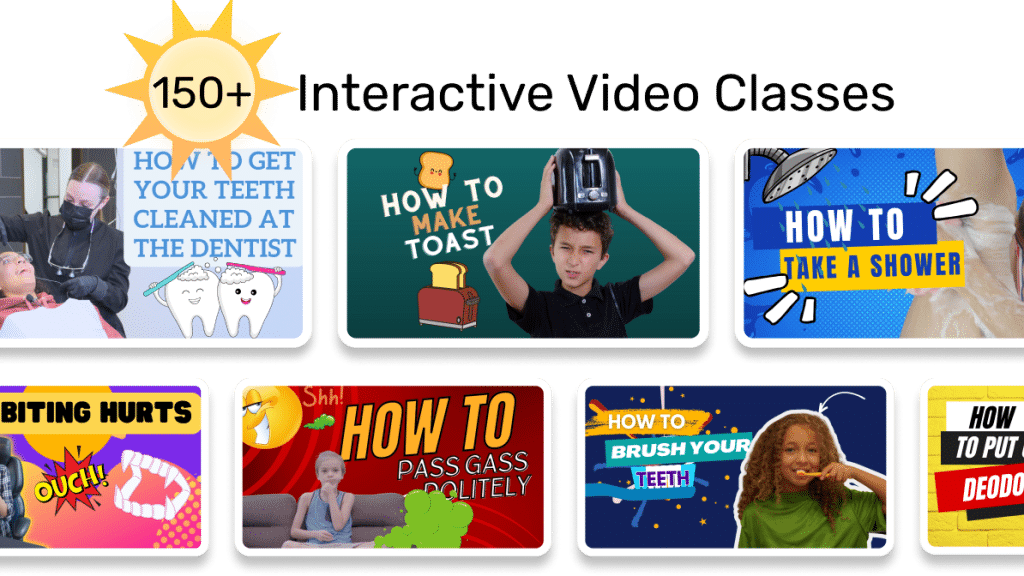
Our apps teach executive function, language, emotional regulation, finger dexterity skills, and more.
As your child develops new skills, you can increase the difficulty level of the tasks in the app to challenge and motivate them even further. This helps your child grow and progress at their own pace, while also keeping them engaged and excited about their development.
As a licensed practitioner who works with kids, I know how challenging it can be to navigate a diagnosis of cerebral palsy. But I also know how resilient and amazing these kids can be. With the right support and interventions, kids with cerebral palsy can thrive and reach their full potential. If you have any concerns about your child’s development, don’t hesitate to contact your pediatrician or a developmental specialist. Together, we can help your child achieve the best possible outcome.
Helpful Resources
- Centers for Disease Control and Prevention (CDC)
- American Academy of Pediatrics (AAP)
- Cerebral Palsy Foundation
FAQ’s About The Early Signs of Cerebral Palsy
What are some early signs of cerebral palsy in infants?
Some early signs of cerebral palsy in infants include delayed milestones, abnormal muscle tone, and unusual posture. Feeding difficulties, seizures, and developmental regression may also be present.

How can I tell if my baby has cerebral palsy?
If you notice any consistent signs such as delayed milestones, abnormal muscle tone, or feeding difficulties, it's important to discuss your concerns with your pediatrician. They can perform a thorough evaluation and refer you to a specialist if necessary.

Is it possible for symptoms of cerebral palsy to appear later in childhood?
While most signs of cerebral palsy are evident by early childhood, some milder cases may not be diagnosed until the child is older. It's important to monitor your child's development and consult with a healthcare professional if you have any concerns.

Can cerebral palsy be diagnosed before birth?
In some cases, cerebral palsy may be detected before birth through ultrasound or fetal MRI. However, most cases are diagnosed after birth based on the child's symptoms and development.

What should I do if I suspect my child has cerebral palsy?
If you suspect your child has cerebral palsy, the first step is to talk to your pediatrician. They can perform an assessment and refer you to a specialist if needed. Early intervention services, such as physical therapy and occupational therapy, can help support your child's development.

Emily is a seasoned blog writer for Goally, leveraging her extensive background in child psychology and special education to provide valuable insights and resources for parents. Her commitment to understanding and addressing the unique needs of these children, combined with her expertise in educational strategies, makes her a credible and empathetic voice for families.