

Anxiety is a normal feeling that happens when our minds worry about something that might occur. Teaching kids about anxiety helps them understand their emotions and develop healthy coping strategies from an early age. Parents often struggle with finding the right words to describe complex emotions like anxiety to young minds. However, breaking down this conversation into simple, relatable concepts makes the process much easier for both you and your child.
Key Takeaways:
- Use simple, concrete examples that relate to your child’s everyday experiences
- Normalize anxiety as a common human emotion that everyone experiences
- Focus on teaching practical coping strategies alongside the explanation
- Adapt your language based on your child’s developmental stage
- Create a safe space for ongoing conversations about feelings
Table of Contents
Start with Age-Appropriate Language
The foundation of explaining anxiety begins with choosing words your child can understand. For younger kids aged 2-4, describe anxiety as “worried feelings” or “when your tummy feels funny because you’re thinking about something scary.” Meanwhile, older kids aged 5-7 can grasp slightly more complex explanations like “anxiety is when your brain tries to protect you by making you feel nervous about things that might happen.”
Children with thinking and learning differences may need extra time to process these concepts. That is to say, you might need to repeat explanations using different words or examples. For instance, if your first explanation doesn’t click, try describing anxiety as “alarm bells in your body” or “your brain’s way of saying ‘pay attention!'” These concrete metaphors help neurodivergent kids better understand abstract emotional concepts.
Use Familiar Examples from Daily Life
Real-life situations make anxiety easier to understand than abstract definitions. Most importantly, choose examples your child has already experienced. You might say, “Remember how your stomach felt different before your first day of school? That worried feeling was anxiety.” Similarly, you could reference other common scenarios like meeting new people, trying new foods, or going to the doctor.
Kids with special needs often benefit from more specific examples. For example, you could explain, “Some kids feel anxiety when they hear loud noises at the grocery store, and that’s why their bodies want to leave quickly.” Above all, validate that these feelings are normal and that many people experience them. This approach helps reduce shame while building emotional vocabulary.
Explain the Physical Sensations
Anxiety creates real physical sensations that kids need to recognize. Firstly, describe common body signals like a fast heartbeat, sweaty palms, or butterflies in the stomach. You might say, “When people feel anxious, their hearts might beat faster, just like after running around the playground.” Moreover, explain that these body changes happen because our brain is trying to keep us safe.
However, it’s crucial to reassure kids that these physical feelings won’t hurt them. Neurodivergent kids particularly benefit from understanding that their bodies react differently to stress. For instance, some children might experience anxiety through repetitive behaviors or increased sensitivity to sounds and textures. Certainly, acknowledging these unique responses helps kids feel understood rather than broken.
Teach Simple Coping Strategies
Once kids understand what anxiety feels like, they need tools to manage it. Secondly, introduce basic breathing exercises using fun imagery. You could say, “Let’s breathe like we’re smelling flowers and blowing out birthday candles.” Also, teach progressive muscle relaxation by having them squeeze their hands into fists and then release, noticing how their muscles feel different.
Additionally, create a personalized toolkit of coping strategies. Some kids find comfort in fidget toys, while others prefer quiet spaces or specific music. For example, kids with learning disabilities might benefit from visual cue cards showing different coping techniques. Subsequently, practice these strategies when your child feels calm, so they’re ready to use them during anxious moments.
Address Common Fears and Worries
Kids often worry about specific things like monsters, separation from parents, or making mistakes. To clarify, acknowledge these fears as real while gently challenging unrealistic thoughts. You might say, “I understand you’re worried about monsters in your closet. Let’s check together and talk about what’s real and what’s pretend.” In other words, validation comes first, followed by gentle reality-testing.
Likewise, children with thinking and learning differences may have unique anxiety triggers related to their challenges. For instance, a child with autism might worry intensely about changes in routine. During these conversations, focus on problem-solving together. Ask questions like, “What could we do to help you feel safer when things change?” This collaborative approach builds confidence alongside coping skills.
Create a Safe Communication Environment
Building trust requires consistent, non-judgmental responses to your child’s anxiety. Meanwhile, avoid dismissing their worries with phrases like “don’t be silly” or “there’s nothing to worry about.” Instead, try responses like “That sounds really scary for you” or “Tell me more about what you’re feeling.” In addition, schedule regular check-ins about emotions, not just during crisis moments.
Similarly, kids with special needs may communicate anxiety differently than neurotypical children. Some might become withdrawn, while others show increased hyperactivity or meltdowns. Consequently, learning your child’s unique anxiety signals helps you respond more effectively. After that, you can address concerns before they escalate into overwhelming situations.
Use Stories and Visual Aids
Stories and pictures make abstract concepts concrete for young minds. For example, create simple drawings showing a character experiencing different emotions, including anxiety. You could draw stick figures with thought bubbles showing worried thoughts, then show the same character using coping strategies. Furthermore, many excellent children’s books address anxiety in age-appropriate ways.
Visual schedules work particularly well for neurodivergent kids who process information differently. Above all, create a feelings chart with faces showing different emotions, including various levels of anxiety from “a little worried” to “very scared.” Subsequently, your child can point to how they’re feeling when words feel too difficult. This tool becomes especially valuable during overwhelming moments when verbal communication becomes challenging.
Practice Role-Playing Scenarios
Role-playing helps kids rehearse managing anxiety in safe situations. Firstly, act out common scenarios where anxiety might occur, like the first day of school or meeting new friends. During these practice sessions, demonstrate how to use coping strategies and express feelings appropriately. For instance, you might say, “I’m feeling nervous about this new situation. I’m going to take three deep breaths and remind myself that I’m safe.”
Additionally, let your child take turns being both the anxious person and the helper. This dual perspective builds empathy while reinforcing coping strategies. Children with learning disabilities often benefit from repetitive practice, so don’t worry about doing the same scenarios multiple times. Certainly, the more they practice, the more automatic these responses become during real anxiety-provoking situations.
Know When to Seek Professional Help
While anxiety is normal, sometimes kids need additional support beyond what parents can provide. However, persistent anxiety that interferes with daily activities, sleep, or school performance may require professional intervention. Warning signs include excessive worry lasting several weeks, physical symptoms without medical causes, or avoidance of normal childhood activities.
Kids with thinking and learning differences may need specialized therapeutic approaches. For example, children with autism might benefit from cognitive-behavioral therapy adapted for their communication style. Likewise, kids with ADHD might need anxiety treatment that considers their attention challenges. To sum up, trusting your parental instincts about when extra help is needed protects your child’s mental health development.
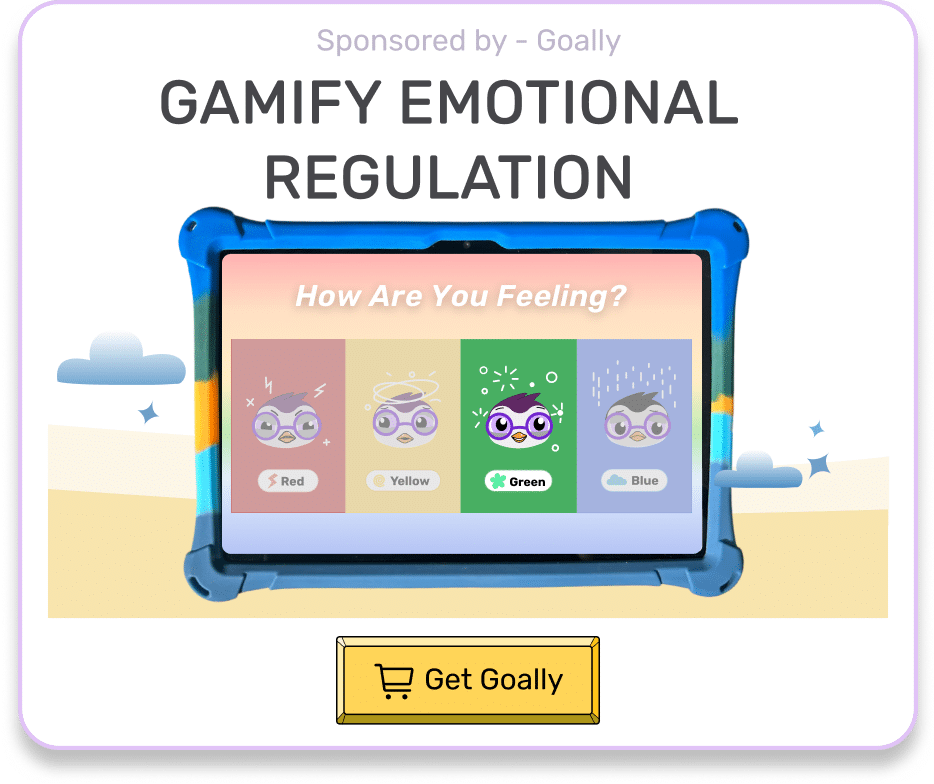
Tired of Emotional Meltdowns?
Goally’s Mood Tuner app has activities for kids with BIG emotions. Teach kids how to tune their mood with Goally. See fewer meltdowns.
The Mood Tuner app encourages kids to look inwards and identify their feelings, helping them understand what’s going on inside. Once they’ve recognized their emotions, they can choose from a 20+ activities designed to help them self-regulate and find their balance.
Understanding how to explain anxiety to a child creates the foundation for lifelong emotional intelligence and resilience. When you use age-appropriate language, provide concrete examples, and teach practical coping strategies, you’re giving your child invaluable tools for managing stress throughout their life. Remember that this conversation isn’t a one-time event but an ongoing dialogue that evolves as your child grows and faces new challenges.
Helpful Resources
FAQ’s About How to Explain Anxiety to a Child
What is anxiety?
Anxiety is a feeling of unease, worry, or fear that can be mild or severe. It's a normal emotion that everyone experiences at times.

How can I explain anxiety to my child?
Explain anxiety to your child using simple, age-appropriate language, such as "Anxiety is when you feel scared or worried about something, even if you're not in danger."

What are some physical symptoms of anxiety in children?
Some physical symptoms of anxiety in children include stomachaches, headaches, trouble sleeping, and a racing heartbeat.

How can I help my child cope with anxiety?
You can help your child cope with anxiety by teaching them relaxation techniques, encouraging them to face their fears gradually, and providing a supportive, understanding environment.

When should I seek professional help for my child's anxiety?
Consider seeking professional help if your child's anxiety is severe, persists for a long time, or interferes with their daily life and activities.

Emily is a seasoned blog writer for Goally, leveraging her extensive background in child psychology and special education to provide valuable insights and resources for parents. Her commitment to understanding and addressing the unique needs of these children, combined with her expertise in educational strategies, makes her a credible and empathetic voice for families.




