Trusted by 100,000+ Families

What is Routines-Based Interview?

Home>>Neurodiversopedia>>R Terms

Summary

summary

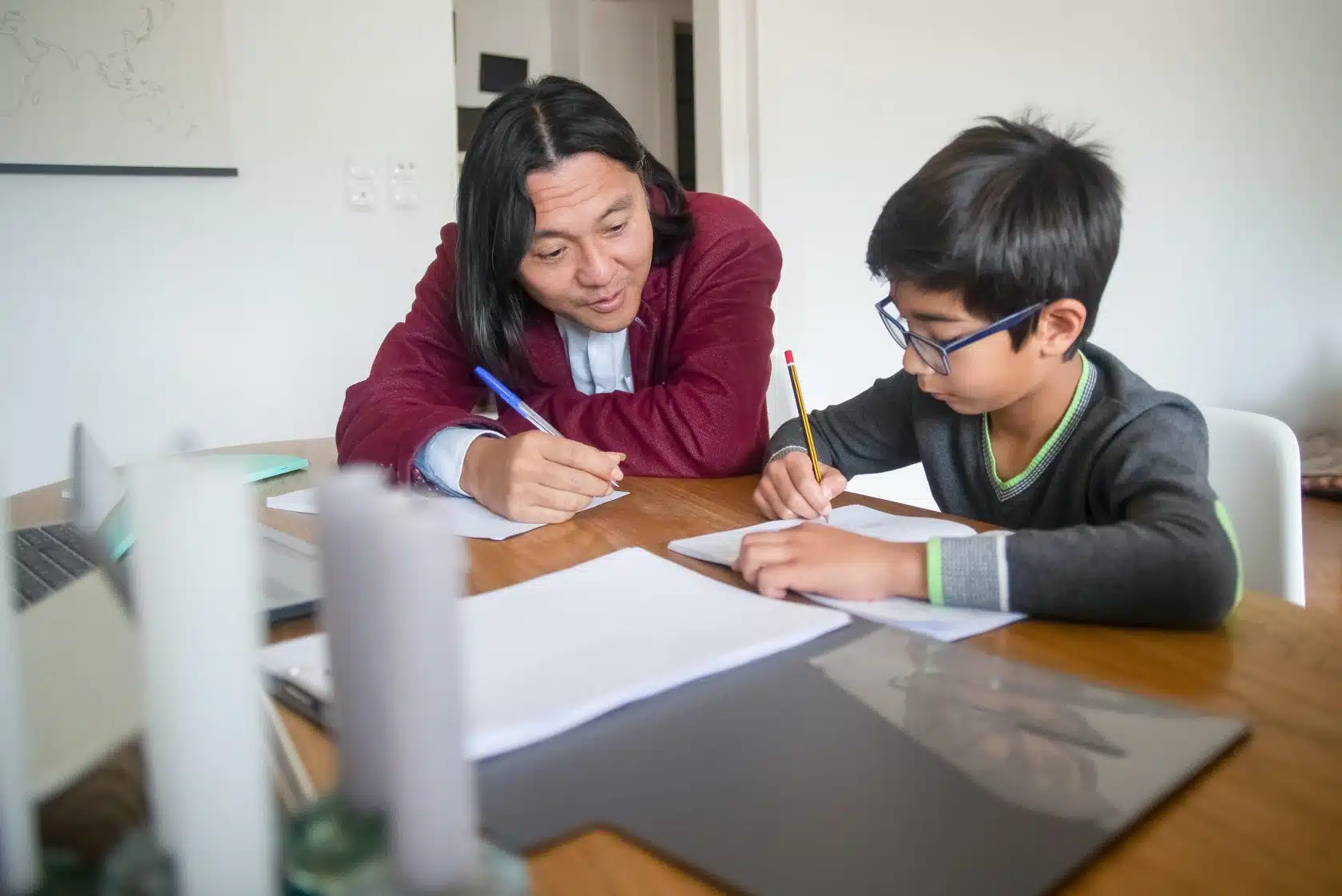
A routines-based interview is like a friendly chat where parents and experts talk about what a child does daily. It helps everyone understand the child’s needs and find the best ways to help them learn and grow. It’s a simple way to ensure kids with special needs get the right support.

Frequently Asked Question

donut

Who typically participates in a routines-based interview?

Caregivers, such as parents, and professionals like therapists or educators, come together in an RBI to collaborate on understanding a child’s strengths, challenges, and goals within their routines.

How often should routines-based interview be conducted?

RBIs are typically ongoing, adapting as a child’s needs evolve, making them a flexible and continuous process to ensure the child receives appropriate support.

Is a routines-based interview only for children with special needs?

While RBIs are often used for children with special needs, they can benefit any child by helping caregivers and professionals better understand and support their daily routines and development.

How do I prepare for a routines-based interview with my child's therapist or educator?

Prior to the interview, gather information about your child’s routines, strengths, and challenges. Be open and honest during the conversation to ensure the best outcomes for your child’s development.

Scientific Definition

scientist

A routines-based interview is a structured conversation between caregivers, parents, and professionals, like educators or therapists. During this discussion, the focus is on the child’s everyday routines and activities. This method aims to gather valuable insights into the child’s strengths, needs, and preferences within their daily life. The information gathered helps create personalized plans and strategies to enhance the child’s development and participation in their environment. Routine-based interviews are a collaborative tool to ensure that children with special needs receive tailored support and interventions to optimize their growth and well-being.

Real World Example of Routines-Based Interview

Meet Susie, a bright and energetic child with special needs. Her parents, Lisa and Mark, were concerned about her speech development and daily routines. They decided to try a routine-based interview to better understand her needs.

  • Initial Conversation: Susie’s speech therapist initiated a friendly conversation with Lisa and Mark, asking about Susie’s daily routines and activities.
  • Observation: The therapist observed Susie during mealtime and play, noting her communication patterns and challenges.
  • Strengths and Challenges: They discovered Susie’s love for music and her struggle with verbal communication.
  • Setting Goals: Lisa and Mark set achievable goals with the therapist’s guidance, like incorporating more music into Susie’s day.
  • Personalized Strategies: The therapist suggested using Goally, a tablet with AAC apps, to help Susie express herself through music and visuals.
  • Ongoing Support: The routine-based interview became a regular process, adapting to Susie’s progress and evolving needs.

Thanks to routine-based interviews and Goally’s support, Susie’s language skills improved, and her daily routines became more enjoyable for everyone involved.

How Does Routines-Based Interview Work?

Routines-based interviews may sound complex, but they’re straightforward and incredibly useful. Here’s a quick overview of how they work:

  • Introduction: Routines-based interviews focus on everyday activities to better understand a child’s needs and create effective plans.
  • Listening and Sharing: Caregivers and professionals share information and insights about the child’s routines openly.
  • Observation: Professionals often observe the child during routines, like mealtime or play, to gather more data.
  • Identifying Strengths: These conversations help identify the child’s strengths and abilities within their routines.
  • Spotting Challenges: Professionals also identify any challenges or difficulties the child faces during these activities.
  • Setting Goals: They set achievable goals to support the child’s growth and development.
  • Tailored Strategies: Personalized strategies and interventions are developed based on the gathered information.
  • Team Collaboration: It’s a team effort involving parents, therapists, educators, and other experts.
  • Continuous Support: Routine-based interviews are ongoing, adapting as the child’s needs evolve.

Routine-based interviews are practical tools that empower parents and professionals to work together, ensuring children with special needs receive the best support for their unique journey. Goally’s tablet apps, including visual schedules, AAC, and skill-building games, aid in routines-based interviews, helping assess and address the unique needs of children with special requirements.