Rigid thinking is when a kid has a hard time being flexible in their thoughts or actions. They might get upset when things change or insist on doing tasks in a specific way. Their brain gets stuck on one idea and can’t easily switch gears.



Rigid thinking is when a kid has a hard time being flexible in their thoughts or actions. They might get upset when things change or insist on doing tasks in a specific way. Their brain gets stuck on one idea and can’t easily switch gears.


Can rigid thinking be a temporary phase in childhood?
Yes, for some children, rigid thinking can be a phase that naturally improves as they develop cognitive and emotional skills with age and experience.
What if my child's rigid thinking impacts their social interactions?
Social skills training and facilitated playdates can be helpful in teaching children how to navigate social situations and collaborate with others despite their rigid thought patterns. Seeking professional guidance from a therapist or counselor can also offer additional support.
Is it possible for a child to outgrow rigid thinking on their own?
While some children may naturally develop greater cognitive flexibility as they mature, others might benefit from targeted interventions and support to help them overcome rigid thinking challenges. Early identification and appropriate guidance can lead to significant progress in fostering adaptability.
Can rigid thinking be mistaken for stubbornness in children?
Yes, children with rigid thinking might be perceived as stubborn due to their strong adherence to routines or resistance to changes, but it’s essential to recognize that this behavior could be a manifestation of cognitive inflexibility rather than intentional defiance.


Rigid thinking, also known as cognitive inflexibility, is a pattern of thought characterized by an inability to adapt to new situations, consider alternative perspectives, or modify behaviors in response to changing circumstances. This cognitive style is often observed in individuals with certain neurodevelopmental disorders and can significantly impact daily functioning and social interactions.

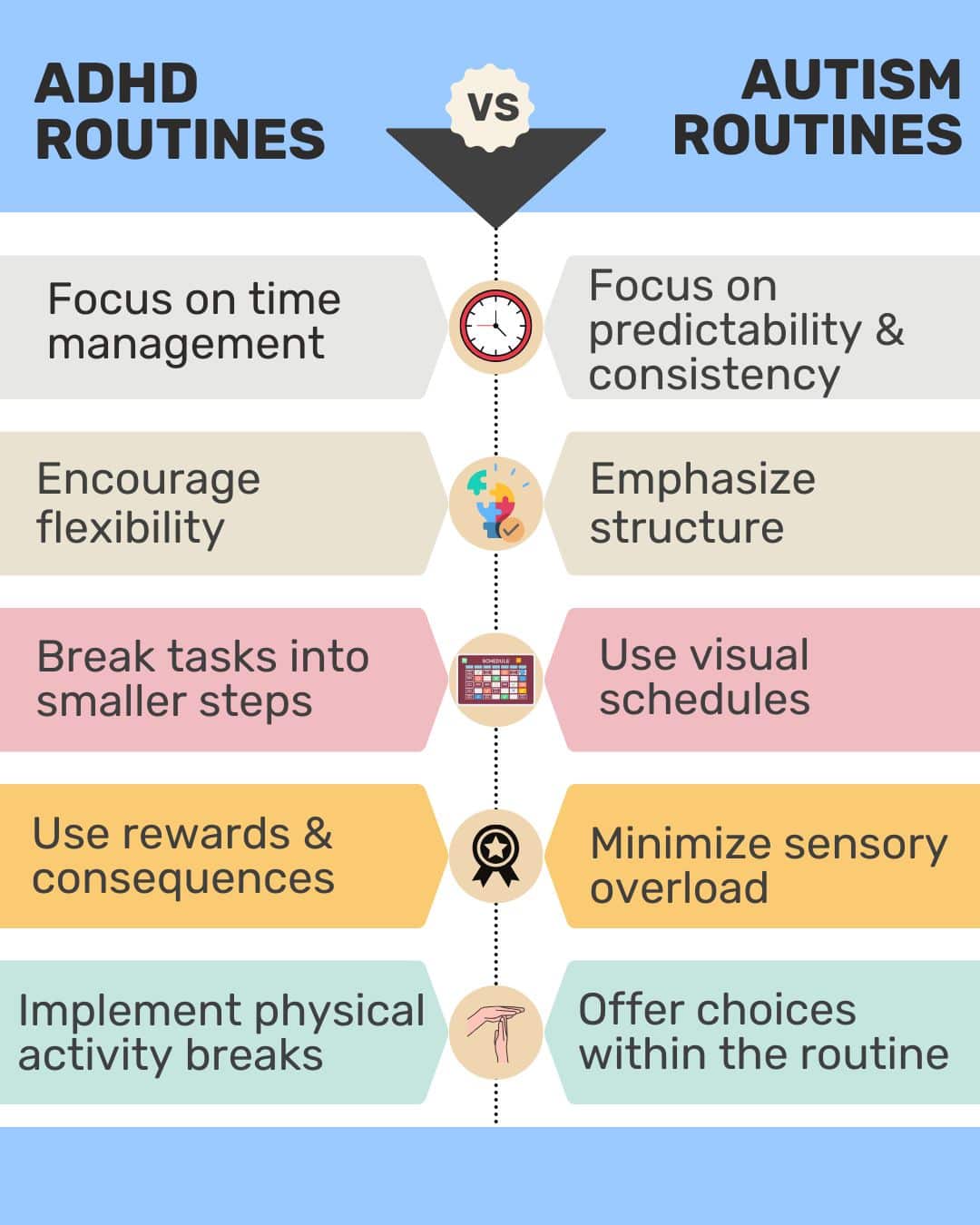
Rigid thinking is often seen in several neurodevelopmental conditions. Here’s a quick overview:
| Condition | Common Rigid Thinking Traits |
|---|---|
| ASD | Insistence on sameness, difficulty with transitions |
| ADHD | Trouble shifting focus, resistant to changing plans |
| OCD | Repetitive behaviors, strict adherence to rules |
| Anxiety | Black-and-white thinking, fear of new situations |
While rigid thinking is often associated with these conditions, it’s important to remember that each child is unique. The degree and impact of rigid thinking can vary widely among individuals.
This post was originally published on July 30, 2023. It was updated on Sept. 6, 2024.