Trusted by 100,000+ Families

What is Poor Memory?

Home>>Neurodiversopedia>>P Terms

Summary

summary

Poor memory means having trouble remembering things like names, numbers, or events. It’s like forgetting where you put your favorite toy or what you had for breakfast.

Frequently Asked Question

donut

Is poor memory a permanent condition for neurodivergent kids?

No, with the right interventions and support, many neurodivergent children can improve their memory skills over time and develop effective strategies to manage their challenges.

Can poor memory impact my child's school performance?

Yes, poor memory can affect tasks like remembering instructions or completing assignments. However, tailored support and accommodations can help mitigate these challenges.

How can I help my child cope with frustration due to poor memory?

Teaching mindfulness techniques and encouraging a positive mindset can help your child manage frustration and anxiety related to memory difficulties, fostering a sense of resilience and emotional well-being.

Is there a link between poor memory and social difficulties in neurodivergent children?

Yes, some neurodivergent children may struggle to remember social cues and interactions, impacting their ability to navigate social situations effectively.

Scientific Definition

scientist

Poor memory refers to difficulties retaining and recalling information, experiences, or facts. It’s a challenge some neurodivergent kids may face in their learning and daily activities. Their brains might find storing and retrieving information more challenging than other children. This can affect their lives, including school tasks and social interactions. While it’s not the same for everyone, interventions such as memory-enhancing strategies and structured routines can help support these children and improve their memory skills.

Treatment to Help with the Symptom Poor Memory

When facing the challenge of poor memory in neurodivergent children, some effective strategies and interventions can make a positive difference in their lives. Here’s a glimpse of how these approaches might work:

  • Routine Reinforcement: Creating consistent daily routines can help memory recall by providing a familiar structure. For example, having a fixed order for morning tasks like brushing teeth, getting dressed, and having breakfast can aid memory.
  • Visual Aids: Visual cues like charts, schedules, and diagrams can enhance memory. Imagine a prominently visual schedule guiding the child through their day’s activities step by step.
  • Chunking Information: Breaking down information into smaller, manageable chunks can aid memory retention. Imagine teaching a multi-step task, like tying shoelaces, by focusing on one step at a time before combining them.
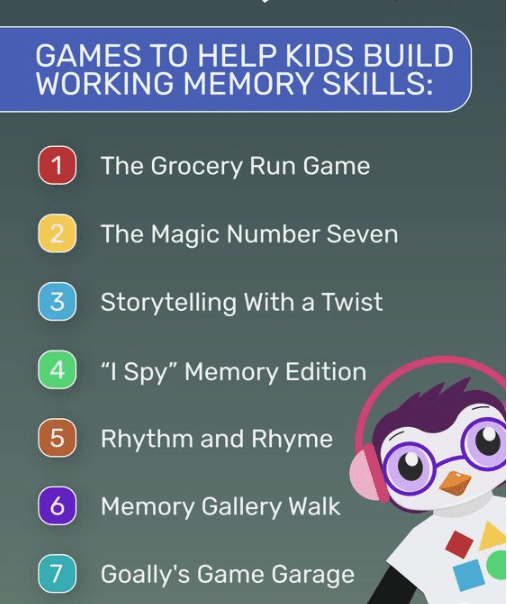
  • Memory Games: Engaging in memory-boosting games can make the learning process enjoyable. Think of playing a game where the child has to remember a sequence of colors or sounds.
  • Mindfulness and Relaxation: Practicing mindfulness and relaxation techniques can help reduce anxiety and improve memory recall. Consider a calming bedtime routine that involves deep breathing and visualizing positive experiences.

With the proper support, many neurodivergent children can develop improved memory skills. Early intervention and consistent application of memory-enhancing strategies can lead to better memory recall and higher confidence in various aspects of their lives.

Conditions Associated with Poor Memory

Sometimes, poor memory can be linked to specific neurodivergent conditions that affect how a child’s brain works. Here are a few of these conditions:

  • Attention-Deficit/Hyperactivity Disorder (ADHD): Children with ADHD might struggle with memory because their minds tend to wander, making it harder to pay attention and remember things.
  • Autism Spectrum Disorder (ASD): Some kids with ASD may experience memory challenges, especially when recalling details of social interactions or following routines.
  • Dyslexia: Poor memory can be a part of dyslexia, making it more difficult for children to remember how words look and sound.
  • Executive Functioning Issues: Conditions affecting executive functions can impact memory since these functions help with planning, organizing, and remembering steps to complete a task.
  • Anxiety and Stress: Feelings of anxiety and stress can affect memory, as these emotions can make it tough to concentrate and remember things clearly.

Poor memory can be related to various neurodivergent conditions, but it’s important to remember that every child is unique. Goally’s tablet apps provide targeted support for kids with poor memory and neurodivergent conditions, helping them build crucial skills in a fun and engaging way.