Memory improvement means helping your child’s brain become better at remembering things. It’s like giving their memory superpowers so they can remember things more easily!


Memory improvement means helping your child’s brain become better at remembering things. It’s like giving their memory superpowers so they can remember things more easily!


Can memory improvement techniques be integrated into everyday routines?
Absolutely, you can incorporate techniques seamlessly into routines like bedtime stories, meal preparation, or outdoor exploration to make learning enjoyable and memorable.
Are memory improvement techniques beneficial only for academic learning?
No, these techniques also support life skills, social interactions, and emotional regulation, making daily tasks and interactions more manageable and enjoyable for children with special needs.
Can memory improvement techniques be applied to children with a wide range of special needs?
Yes, memory improvement techniques are adaptable and effective for children with various special needs, as they focus on enhancing cognitive skills through personalized approaches that cater to each child’s strengths and preferences.
How do memory improvement techniques benefit a child's overall development?
Memory improvement techniques not only help children retain information better but also boost their confidence, independence, and problem-solving skills, enabling them to engage more effectively with their environment and peers.


Memory improvement is enhancing a person’s ability to retain and recall information. For children with special needs, this involves strategies and techniques that support their memory function, making it easier for them to remember important facts, experiences, and skills. These methods can involve various sensory cues, repetition, visualization, and engaging activities that align with the child’s learning style and strengths. Parents can provide valuable support to their children’s cognitive development by focusing on memory improvement, making learning and daily tasks more manageable and enjoyable.

Memory improvement works by using clever techniques to help kids with special needs remember things better. These techniques are like secret codes that make the brain remember stuff more easily. Here are some examples:
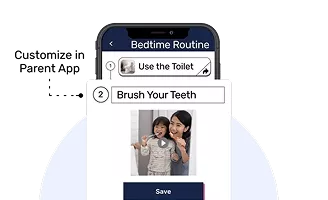
Memory improvement is like using special tools to make learning and remembering easier for kids with special needs. Goally, a tablet platform with fun apps for digital visual schedules, gamified learning, and life skills training, offers parents a dynamic tool to support memory improvement and enhance various essential skills for kids with special needs.