Trusted by over 100,000+ Parents

What is Late-Diagnosed Autism?

Home>>Neurodiversopedia>>L Terms

Summary

summary

Late-diagnosed autism occurs when autism is identified in individuals aged 12 or older, often becoming clearer during adolescence. Signs may include challenges with social interactions, repetitive behaviors, and intense interests in specific topics.

Frequently Asked Question

donut

Why is autism sometimes diagnosed late?

Autism may be diagnosed late because of subtle symptoms, coping mechanisms that mask symptoms, or increased awareness and understanding of autism.

What are the challenges of late diagnosis of autism?

Late-diagnosed individuals may struggle with a lifetime of misunderstanding and lack of support, but also feel relief in finally understanding their differences.

How does a late diagnosis of autism affect mental health?

A late diagnosis can bring relief and understanding, but also grief for missed support, emphasizing the need for tailored mental health support.

Can adults benefit from being diagnosed with autism later in life?

Yes, adults can benefit from understanding themselves better, improving relationships and accessing support to enhance their quality of life.

Scientific Definition

scientist

Late-diagnosed autism occurs when individuals are diagnosed with autism spectrum disorder (ASD) at the age of 12 or older. This delay in diagnosis can happen because autism signs may become more apparent as children grow older, particularly during adolescence. It’s essential for parents to be aware that autism can be identified later in life and to recognize signs such as social challenges, repetitive behaviors, and intense focus on specific subjects. Autism affects approximately 1 in 54 children in the United States, highlighting its significance and prevalence in society.


Resources:

  • Autism Speaks: Provides comprehensive information on autism spectrum disorder, including symptoms, treatments, and support resources.
  • CDC Autism Spectrum Disorder: Offers authoritative resources on autism, including diagnosis, treatment, and research updates.
  • Autism Society: Provides support and advocacy for individuals with autism and their families, with helpful resources and community networks.

Video Explanation

video-explanation

Treatment for Late-Diagnosed Autism

Discovering that your child has late-diagnosed autism can be overwhelming, but with the proper support and guidance, you can navigate this journey effectively. Here are some treatments you can try for late-diagnosed autism: 

Early Intervention: Promptly seek assessment and diagnosis from professionals specializing in autism spectrum disorder (ASD).
Therapy: Enroll your child in Applied Behavior Analysis (ABA) or speech therapy to target specific challenges.
Educational Support: Collaborate with schools to develop individualized education plans (IEPs) tailored to your child’s unique needs.
Social Skills Training: Create opportunities for social interactions and offer structured activities to teach essential social skills.
Family Support: Connect with support groups and seek advice from other parents or caregivers facing similar challenges.

With early intervention and ongoing support, individuals with late-diagnosed autism can develop skills to navigate life successfully. While challenges may persist, many individuals lead fulfilling lives with appropriate support and accommodations.

Symptoms of Late-Diagnosed Autism

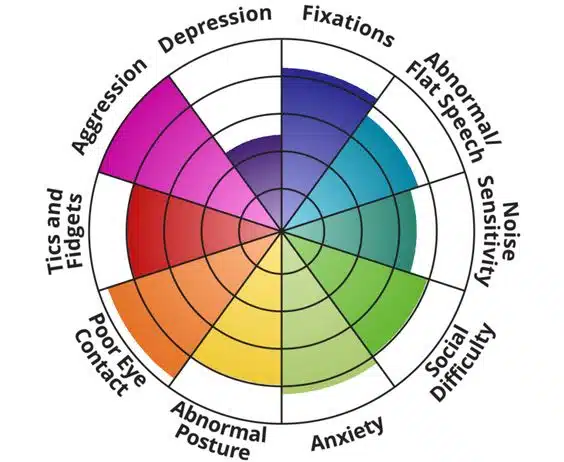
Recognizing the symptoms of late-diagnosed autism is the first step toward understanding and supporting your child. Here, we outline common signs to look out for:

  • Social Challenges: Difficulty understanding social cues and forming relationships.
  • Repetitive Behaviors: Engaging in repetitive actions or routines.
  • Communication Difficulties: Struggling with verbal and nonverbal communication.
  • Sensory Sensitivities: Being overly sensitive or under-reactive to sensory stimuli.
  • Intense Interests: Showing intense focus on specific topics or activities.

Awareness of these symptoms can help you identify and address your child’s needs effectively, leading to better support and outcomes in their development and daily life.