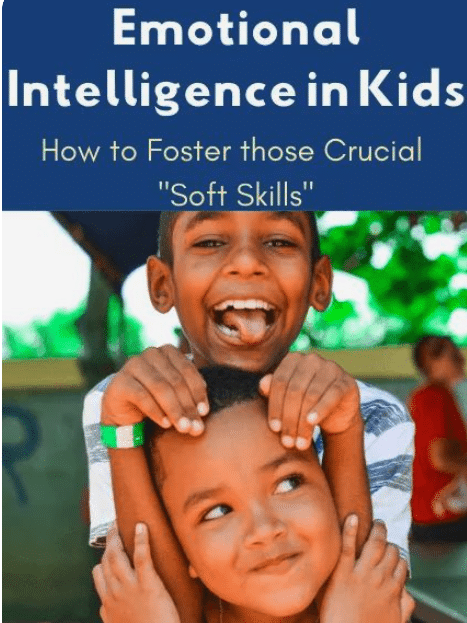
Interpersonal intelligence is how well someone understands and connects with other people. For kids with special needs, it means they might be really good at making friends, understanding feelings, and getting along with others.



Interpersonal intelligence is how well someone understands and connects with other people. For kids with special needs, it means they might be really good at making friends, understanding feelings, and getting along with others.


Can interpersonal intelligence be developed in children, or is it innate?
While there may be natural variations, interpersonal intelligence can be nurtured and developed in children through social activities, empathy-building exercises, and positive role modeling.
How does interpersonal intelligence contribute to a child's overall development?
Interpersonal intelligence enhances a child’s social skills, fostering better communication, collaboration, and emotional understanding, ultimately contributing to a well-rounded and socially adept individual.
Are there specific signs that indicate a child may have strong interpersonal intelligence?
Yes, signs include a keen ability to read others’ emotions, effective conflict resolution, a natural inclination for teamwork, and the effortless building and maintaining of friendships.
Can parents play a role in supporting and enhancing their child's interpersonal intelligence?
Absolutely. Parents can foster interpersonal intelligence by encouraging social interactions, modeling positive behavior, teaching empathy, and providing opportunities for collaborative activities with peers.


Interpersonal intelligence refers to the ability to understand and navigate social situations effectively. It involves perceiving others’ emotions, motivations, and behaviors and using that understanding to build positive relationships. In children with special needs, developing interpersonal intelligence can contribute to improved social interactions, empathy, and communication skills. It’s like having a special knack for making connections and fostering a sense of belonging.

Understanding interpersonal intelligence is like unlocking the secret code to social success for kids with special needs. It’s all about perceiving, connecting, and thriving in social situations. Let’s dive into some examples.
| Examples in Action | Description |
|---|---|
| Reading Emotions | Children with strong interpersonal intelligence excel at reading others’ emotions, helping them respond appropriately in various social contexts. |
| Conflict Resolution | They navigate conflicts with finesse, finding peaceful resolutions and fostering positive relationships. |
| Teamwork Skills | Interpersonal intelligence shines during teamwork, where kids effortlessly collaborate, listen, and contribute to group dynamics. |
| Friendship Building | These children naturally build and maintain friendships, creating supportive circles that enhance their social development. |
Interpersonal intelligence empowers kids with special needs to navigate the social world confidently, forming meaningful connections and enriching their overall well-being.