Trusted by over 100,000+ Parents

What is Emotional Intelligence?

Home>>Neurodiversopedia>>E Terms

Summary

summary

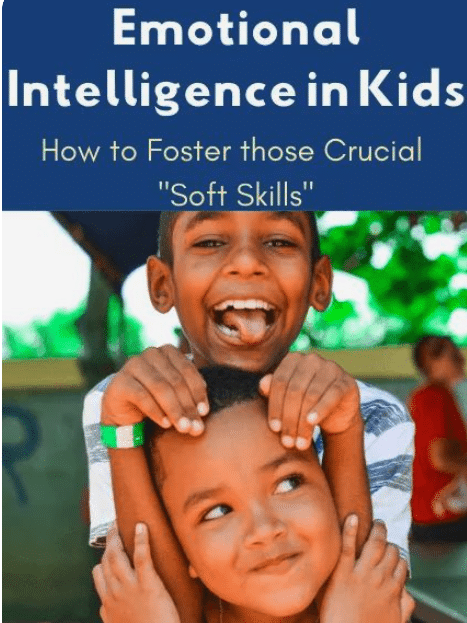
Emotional Intelligence (EI) means being aware of your feelings and understanding other people’s feelings too. It’s like having an emotional superpower that helps you control your own emotions and be kind and understanding towards others. When you have emotional intelligence, you can handle different situations without getting too upset or angry. You also know how to be a good friend and make people feel better when they’re sad or upset. So, it’s basically about knowing and managing your emotions and being a caring and supportive friend to others.

Frequently Asked Question

donut

What is emotional intelligence?

Emotional intelligence refers to the ability to recognize, understand, and manage emotions effectively, both in oneself and in others.

How can parents help develop their child's emotional intelligence?

Parents can support their child’s emotional intelligence by encouraging open communication, teaching empathy, and providing opportunities to practice emotional regulation.

What are the benefits of developing emotional intelligence in children?

Developing emotional intelligence in children promotes self-awareness, empathy, problem-solving skills, and positive social relationships.

Can learning tools like visual schedules and emotional regulation apps enhance emotional intelligence?

Yes, learning tools such as visual schedules and emotional regulation apps can provide valuable support in developing emotional intelligence by offering visual cues and strategies for recognizing and managing emotions.

Scientific Definition

scientist

Emotional Intelligence (EI) is a vital aspect of human development that involves understanding and managing emotions effectively. It encompasses the ability to recognize and regulate one’s own emotions as well as understand and empathize with the emotions of others. In the context of kids with special needs, nurturing their emotional intelligence is crucial for their overall well-being and social interactions.

A Real World Example of Emotional Intelligence

Once upon a time, there was a little girl named Susie who had autism. Susie’s parents noticed that she struggled with understanding and expressing her emotions. They wanted to help her develop her emotional intelligence, so they decided to focus on it together as a family. Here’s how it unfolded:

  • Susie’s parents started by teaching her about different emotions using colorful emotion cards. They would show her a card with a happy face and ask her to make the same expression. They would then talk about what made her feel happy.
  • When Susie had a difficult time regulating her emotions, her parents taught her a breathing exercise called “balloon breaths.” They would encourage her to take deep breaths, imagining she was blowing up a balloon, to help her calm down when she felt overwhelmed or upset.
  • Susie’s parents also emphasized the importance of empathy and understanding others’ feelings. They would read books together and discuss how the characters might be feeling in different situations.
  • As Susie’s emotional intelligence grew, she became more aware of her own emotions and started using simple words to express how she felt. She also showed empathy towards her friends, comforting them when they were sad or sharing their joy when they were happy.
  • One day, Susie’s teacher noticed her kindness towards a classmate who was feeling left out. She praised Susie for her empathy, and the whole class applauded her, making Susie feel proud and loved.

And they all lived happily ever after, continuing to nurture emotional intelligence and build strong connections with others.

How Does Emotional Intelligence work?

Emotional intelligence is put into action when individuals effectively manage their emotions and connect with others on an emotional level. Here are some examples of how it works:

  • Active Listening: When someone listens attentively to a friend’s problem, shows empathy, and offers support, they are demonstrating emotional intelligence.
  • Conflict Resolution: Resolving conflicts by calmly discussing feelings, understanding different perspectives, and finding solutions that benefit everyone showcases emotional intelligence.
  • Social Awareness: Noticing when a classmate feels sad or left out and reaching out to include them demonstrates emotional intelligence.
  • Emotional Regulation: Taking deep breaths and using self-soothing techniques when feeling overwhelmed or anxious showcases emotional intelligence.
  • Kindness and Respect: Treating others with kindness, respect, and consideration, regardless of differences, is a display of emotional intelligence.

By practicing emotional intelligence, individuals can create more harmonious relationships, navigate challenging situations with resilience, and foster a positive and inclusive environment. Remember, emotional intelligence is a journey, and with each small step, we can make a big impact in our own lives and the lives of those around us.


Goally, our innovative tablet product, can be a valuable tool in supporting the development of emotional intelligence in kids like Susie. Through its apps and features, Goally offers various ways to enhance emotional awareness and regulation, social skills, and overall well-being. From interactive apps teaching emotional regulation to skills training videos promoting empathy and communication, Goally provides a comprehensive approach to support emotional intelligence. By incorporating Goally into their daily routines, families can make learning and practicing emotional intelligence fun and engaging for their children.