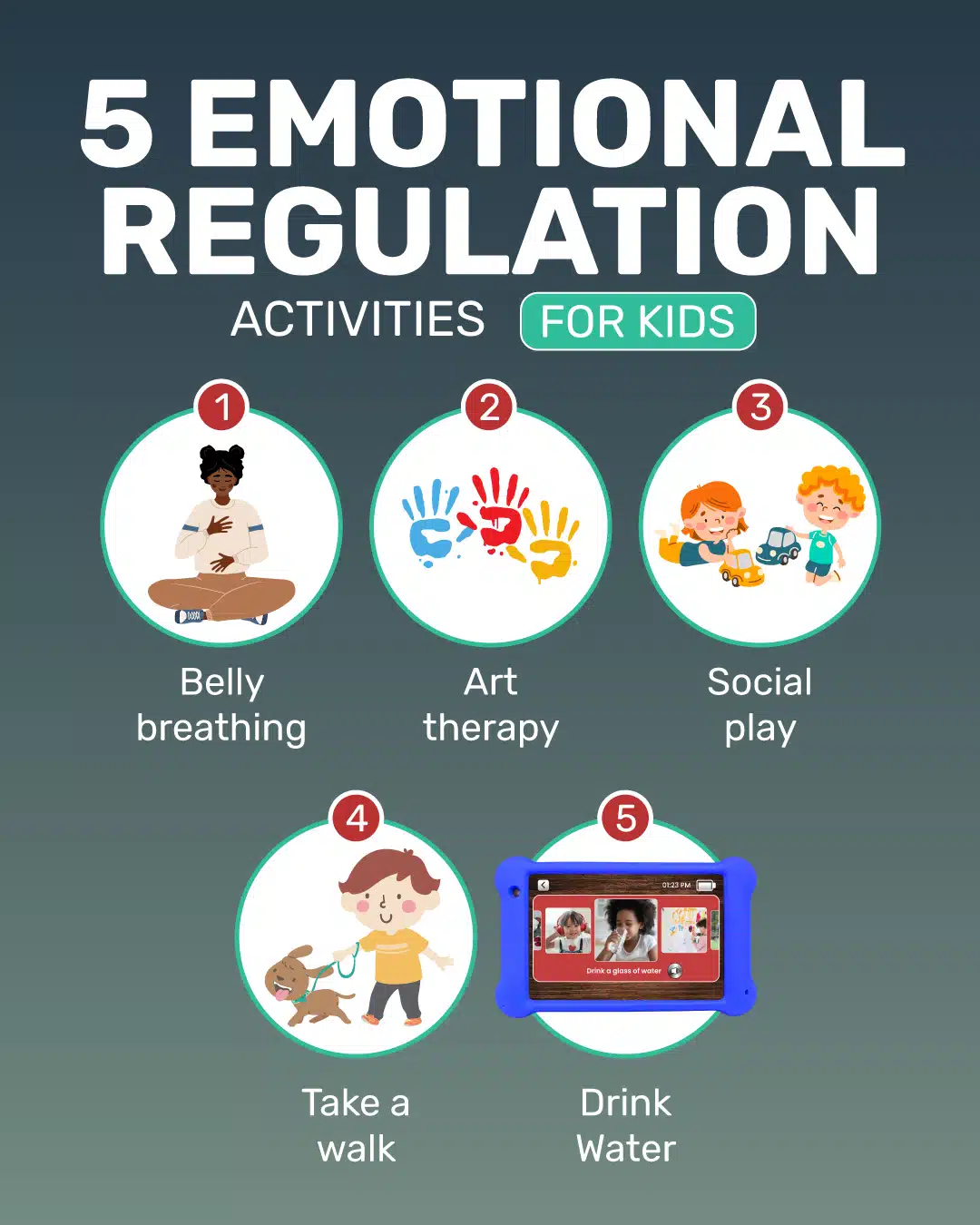
Emotional upheaval is when a person, especially a child with special needs, feels a lot of strong and mixed-up emotions all at once. It can be really tough and overwhelming for them.



Emotional upheaval is when a person, especially a child with special needs, feels a lot of strong and mixed-up emotions all at once. It can be really tough and overwhelming for them.


What causes emotional upheaval in neurodivergent children?
Emotional upheaval in neurodivergent children can result from various factors, including sensory sensitivities, communication challenges, changes in routine, and environmental stressors.
Is emotional upheaval a permanent condition in neurodivergent children?
Emotional upheaval is a symptom that can be managed and improved over time with the right strategies, support, and interventions, leading to positive progress in a child’s emotional well-being.
Are there specific signs to identify when a neurodivergent child is experiencing emotional upheaval?
Signs may include sudden mood swings, increased agitation, withdrawal, or meltdowns. It’s important for parents to observe and understand their child’s unique indicators of emotional upheaval.
Can emotional upheaval be prevented in neurodivergent children?
While it may not always be preventable, parents and caregivers can reduce the frequency and intensity of emotional upheaval through proactive strategies such as maintaining a consistent routine, identifying triggers, and teaching effective emotional regulation skills.


Emotional upheaval refers to a state of intense and often conflicting emotions experienced by individuals, including neurodivergent children. It is characterized by a sudden surge of various feelings, such as sadness, anger, anxiety, or happiness, which can be challenging for the child to manage. Emotional upheaval may arise due to a multitude of factors, including sensory sensitivities, changes in routine, communication difficulties, or environmental stressors. It is essential for parents to recognize and support their neurodivergent children during episodes of emotional upheaval, as understanding and managing these emotions is a crucial aspect of their well-being and development.

Children with neurodivergent conditions may experience emotional upheaval as a common symptom. Here are some conditions that may be associated with emotional upheaval:
| Autism Spectrum Disorder (ASD) | Children with ASD often struggle with sensory sensitivities and difficulties in understanding and expressing emotions, which can lead to emotional upheaval. |
| Attention-Deficit/Hyperactivity Disorder (ADHD) | ADHD can result in impulsive behavior and emotional dysregulation, causing sudden mood swings and emotional upheaval. |
| Anxiety Disorders | Anxiety in neurodivergent children can trigger overwhelming emotions and emotional upheaval. |
| Sensory Processing Disorder (SPD) | Children with SPD may become emotionally overwhelmed due to heightened sensitivities to sensory stimuli. |
| Communication Disorders | Difficulty in verbal and non-verbal communication can frustrate children, contributing to emotional upheaval. |
| Executive Functioning Challenges | Struggles with organization and planning may lead to frustration and emotional upheaval when tasks become overwhelming. |
To support neurodivergent children experiencing emotional upheaval, parents can create a structured routine, provide sensory-friendly environments, teach emotional regulation techniques, and seek professional guidance when necessary.