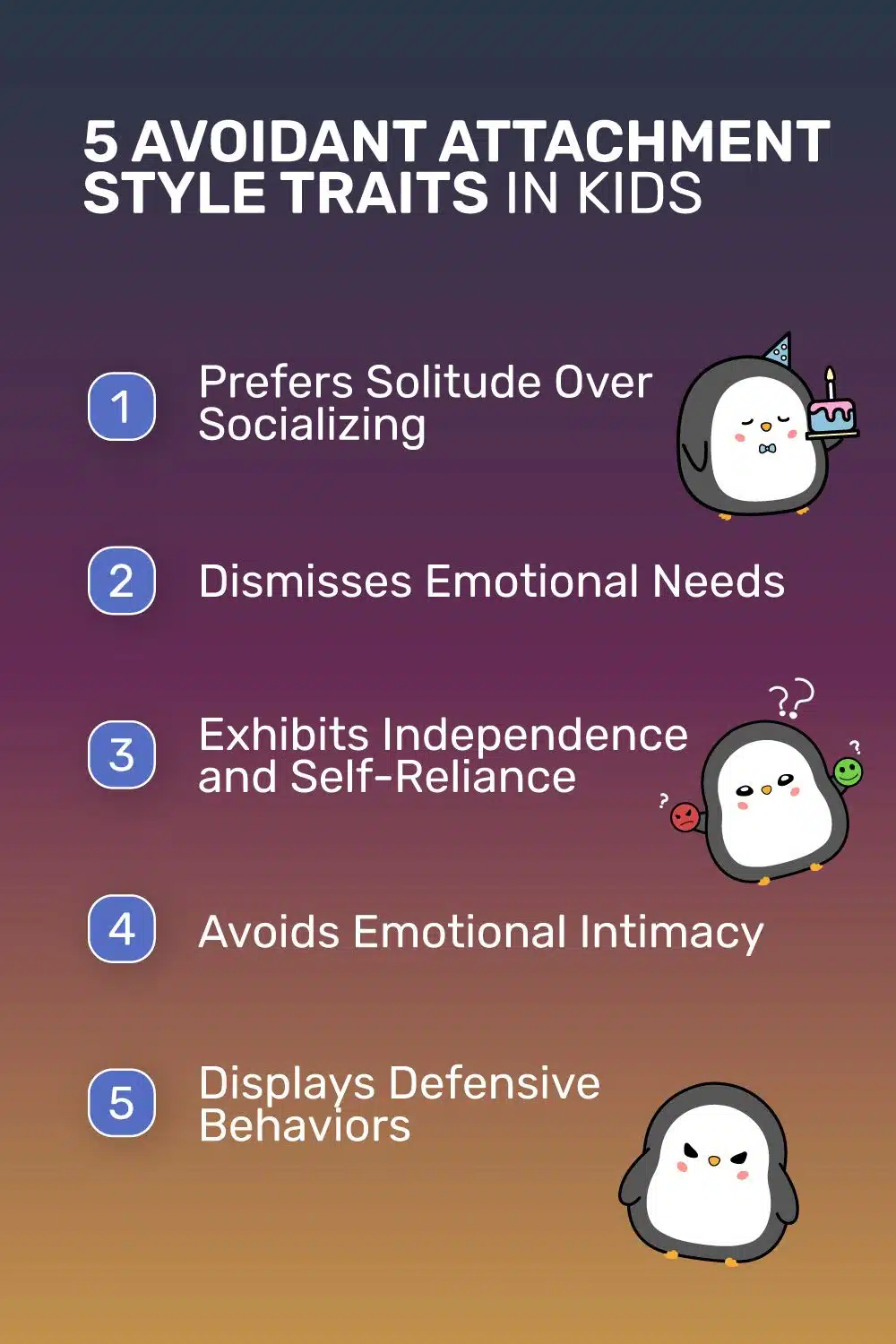
Disordered attachment is a condition that affects how a child connects with others. Kids with this struggle to form healthy, stable relationships and may have confusing feelings about getting close to people.



Disordered attachment is a condition that affects how a child connects with others. Kids with this struggle to form healthy, stable relationships and may have confusing feelings about getting close to people.


Is Disordered Attachment a lifelong condition?
With early intervention and consistent support, children with Disordered Attachment can make significant progress in developing secure attachments and forming healthy relationships.
What are the effects of Disordered Attachment on a child's development?
Disordered Attachment can impact a child’s emotional well-being, social interactions, and ability to regulate emotions. It may lead to difficulties in forming and maintaining relationships, low self-esteem, and challenges in school or other settings.
At what age does Disordered Attachment typically manifest?
Disordered Attachment can manifest in early childhood, often during the first few years of life when secure attachments are crucially formed. However, it can also be observed in older children who have experienced disruptions in their caregiving environment.
Can Disordered Attachment be prevented?
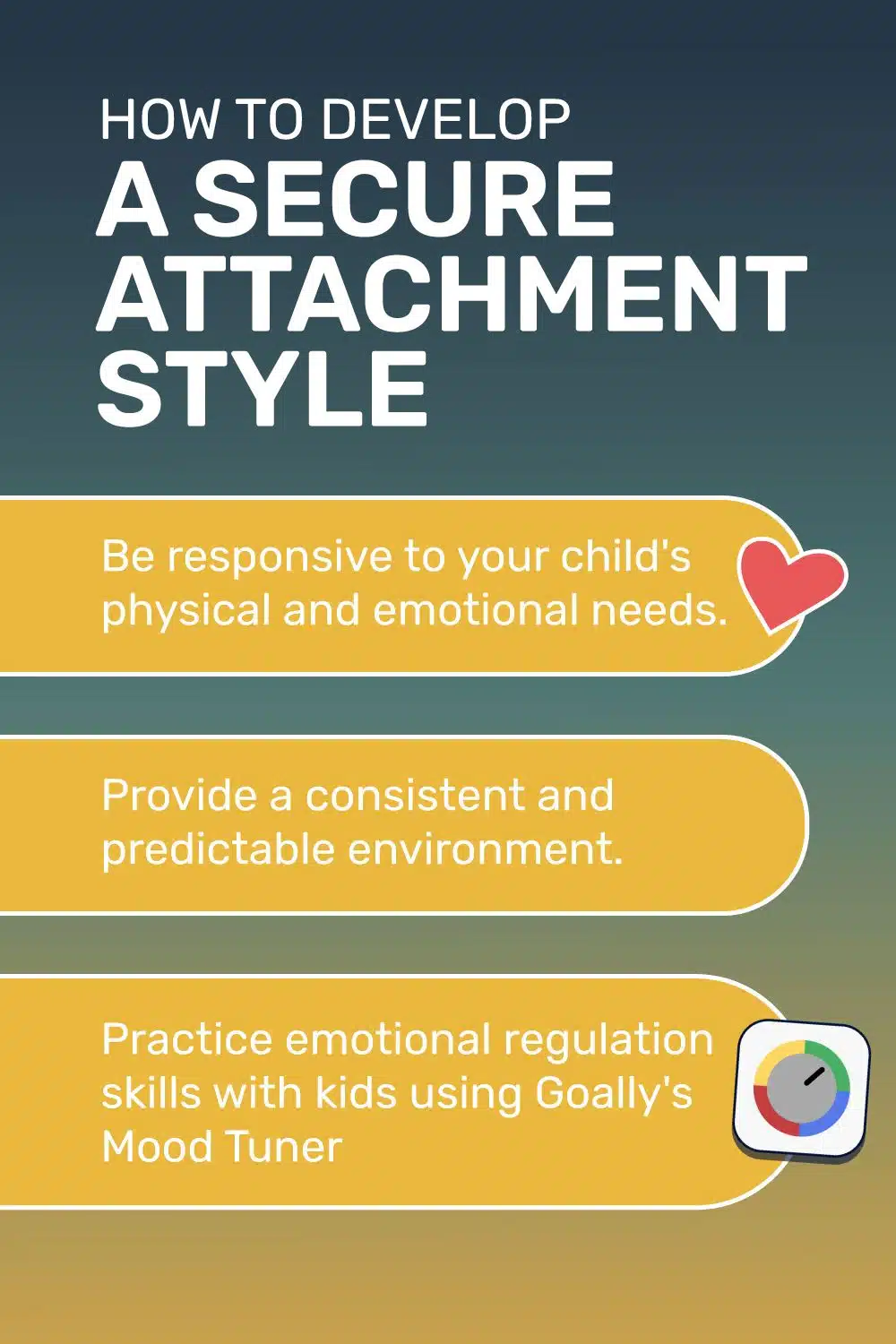
While it may not always be possible to prevent Disordered Attachment entirely, providing a nurturing and consistent caregiving environment, responsive parenting, and early intervention in cases of neglect or abuse can help mitigate the risk and support healthy attachment formation.


Disordered attachment, also known as disorganized attachment, is a psychological condition characterized by a child’s inability to form a secure and healthy emotional bond with their primary caregiver. This can lead to a range of difficulties in social interactions, emotional regulation, and relationship formation throughout life. Research suggests that around 15% of infants in the general population may have a disorganized attachment style.

Children with disordered attachment may exhibit various symptoms that reflect their difficulty forming secure emotional bonds. Some common signs include:
| Emotional dysregulation | Intense mood swings, anger outbursts, or difficulty self-soothing |
| Avoidance or clinginess | Pushing caregivers away or displaying excessive neediness |
| Lack of eye contact | Avoiding eye contact or having a vacant stare |
| Indiscriminate affection | Being overly friendly with strangers or lacking stranger wariness |
Recognizing these symptoms early on is crucial for seeking appropriate interventions and support to help children with disordered attachment develop healthier relationship patterns.
This post was originally published on July 5, 2023. It was updated on May 30, 2024.