Trusted by 100,000+ Families

What is Developmental Dyspraxia?

Home>>Neurodiversopedia>>D Terms

Summary

summary

Developmental dyspraxia, also known as Developmental Coordination Disorder (DCD), is a condition that affects a person’s ability to plan and execute coordinated movements. It can make everyday activities like tying shoelaces, writing, or even walking challenging. People with developmental dyspraxia may struggle with coordination, balance, and fine motor skills.

Frequently Asked Question

donut

Is Developmental Dyspraxia the same as being clumsy?

While clumsiness is a common symptom, Developmental Dyspraxia involves difficulties in planning and executing coordinated movements beyond just being clumsy.

Can Developmental Dyspraxia affect academic performance?

Yes, it can impact handwriting, organization skills, and tasks involving motor coordination, potentially affecting academic progress and performance.

Is Developmental Dyspraxia a lifelong condition?

Developmental Dyspraxia is a lifelong condition, but with early interventions, therapies, and support, individuals can learn strategies to manage their symptoms effectively.

Can occupational therapy help children with Developmental Dyspraxia?

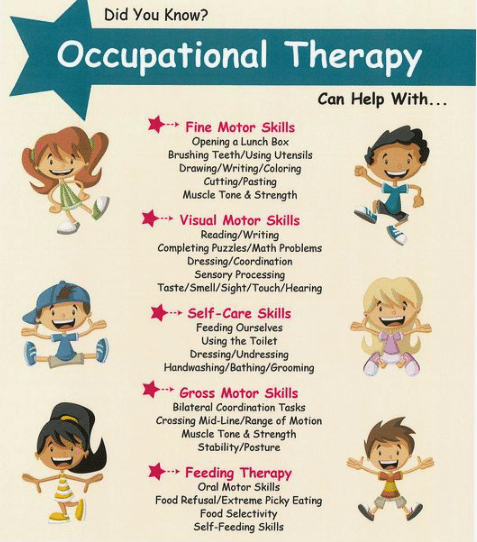
Yes, occupational therapy plays a crucial role in improving motor skills, coordination, sensory integration, and daily functioning for children with Developmental Dyspraxia.

Scientific Definition

scientist

Developmental dyspraxia, scientifically called Developmental Coordination Disorder (DCD), is a neurodevelopmental condition that impacts an individual’s ability to perform coordinated movements efficiently. It is characterized by difficulties in planning, executing, and coordinating motor tasks, such as grasping objects, buttoning clothes, or riding a bicycle. People with developmental dyspraxia often experience fine motor skills, balance, and spatial awareness challenges. The condition is not related to muscle weakness or intellectual impairment but rather stems from differences in the brain’s ability to process and transmit information necessary for coordinating movements effectively. While developmental dyspraxia can pose obstacles in daily activities, early interventions, supportive environments, and targeted therapies can greatly assist individuals in managing and developing their motor skills and overall well-being.

Does my child have dyspraxia? Take the test now!

Treatment for Developmental Dyspraxia

While there is no cure for developmental dyspraxia, various interventions and strategies can greatly support individuals in managing their symptoms. Here are some effective treatments:

  • Occupational Therapy: Working with an occupational therapist can help develop motor skills, coordination, and sensory integration.
  • Speech and Language Therapy: Speech therapy can address language difficulties and provide communication strategies.
  • Physical Therapy: Physical therapy focuses on improving strength, balance, and gross motor skills.
  • Assistive Devices: Assistive devices like pencil grips, weighted utensils, or adaptive tools can aid fine motor tasks.
  • Environmental Modifications: Creating an organized and supportive environment with visual cues and structured routines can enhance independence.

With early intervention, targeted therapies, and a supportive environment, individuals with developmental dyspraxia can significantly improve.

Symptoms of Developmental Dyspraxia

Developmental dyspraxia can manifest in various ways, and recognizing the symptoms is crucial for early identification and support. Here are some common signs to look out for:

  • Difficulty with coordination and motor skills
  • Awkward and clumsy movements
  • Challenges with fine motor tasks (e.g., tying shoelaces, using utensils)
  • Poor handwriting and difficulties with drawing
  • Balance and spatial awareness issues
  • Trouble with organizing and planning movements
  • Sensitivity to touch, sound, or visual stimuli
  • Difficulty following instructions and routines

If you notice these symptoms in your child, seeking an evaluation from a healthcare professional can help determine if they have developmental dyspraxia. Goally, a tablet-based product, offers interactive apps for kids with dyspraxia. It includes digital visual schedules, AAC, gamified learning, and skills training videos to help build life, language, and social skills while promoting emotional regulation and executive functioning.


Editor’s note: This information is not meant to diagnose or treat and should not take the place of personal consultation, as needed, with a qualified healthcare provider and/or BCBA.