Trusted by 100,000+ Families

What are Time Management Techniques?

Home>>Neurodiversopedia>>T Terms

Summary

summary

Time management techniques are ways to help kids organize their day and get things done. For kids with special needs, these methods can make daily tasks easier and less stressful. They’re like tools that help kids stay on track and feel more in control of their time.

Frequently Asked Question

donut

How can visual schedules benefit my child?

Visual schedules, often used in tools like Goally, use images to outline daily activities, helping children understand what’s coming next, reducing anxiety, and promoting smoother transitions.

Are time management techniques one-size-fits-all?

No, techniques can be personalized. Kids may find success with visual cues, timers, or task breakdowns. It’s about finding what works best for their unique strengths and challenges.

How do time management techniques improve independence?

By learning to manage time, children gain skills to plan, prioritize, and accomplish tasks on their own. This boosts confidence and fosters a sense of autonomy.

Can time management techniques help with schoolwork?

Absolutely, techniques like prioritization, task breakdowns, and setting timers can enhance focus and productivity, making homework and learning more efficient and enjoyable.

Scientific Definition

scientist

Time management techniques refer to structured approaches and strategies employed to effectively allocate, prioritize, and utilize available time for optimal productivity and reduced stress. These methods are particularly beneficial for children with special needs, as they provide a framework for organizing tasks, improving focus, and enhancing overall daily functioning.

Resources:

Real World Example of Time Management Techniques

Time management can make a big difference for kids like Alex, who has ADHD. Here’s how Alex uses these techniques to tackle his homework:

  • Visual schedule: Alex has a colorful chart on his wall showing his after-school routine.
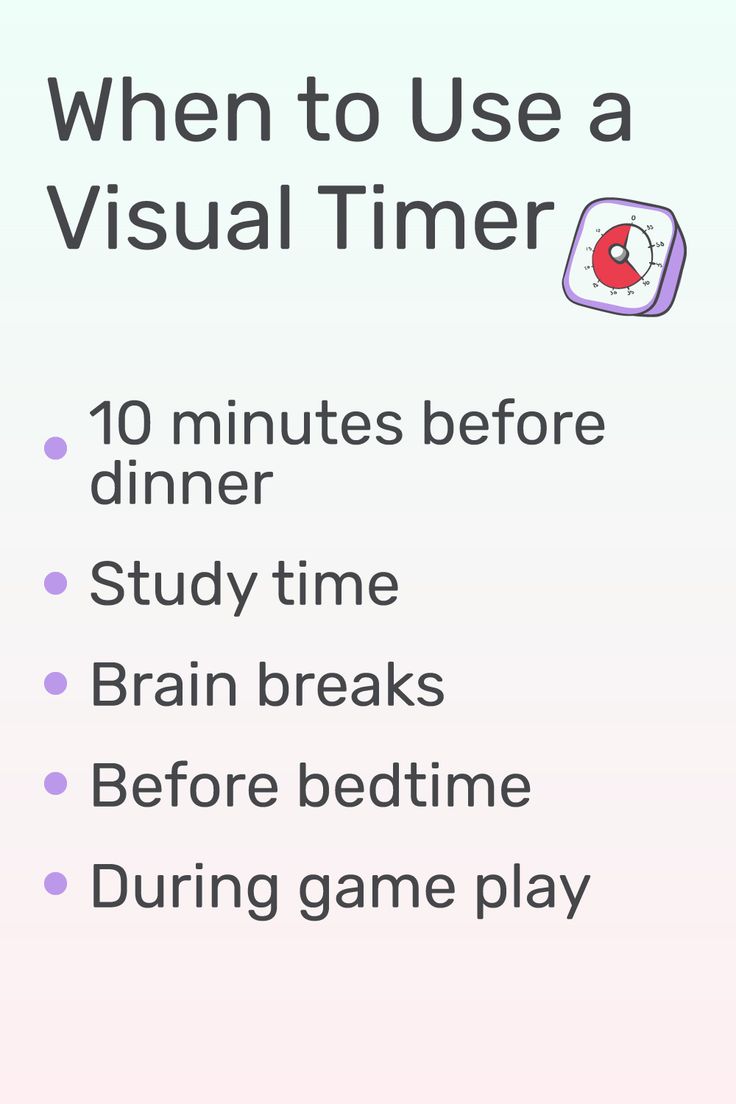
  • Timer technique: He uses a special timer that shows time passing, helping him stay focused for 20-minute chunks.
  • Task breakdown: Alex’s mom helps him break big assignments into smaller, manageable steps.
  • Rewards system: After finishing homework, Alex gets to play his favorite game for 30 minutes.

These simple strategies help Alex feel more in control and less overwhelmed by his schoolwork.

How Do Time Management Techniques Work?

Time management techniques help kids with special needs structure their day and complete tasks more efficiently. Here’s how they work:

  • Visual aids: Use charts, calendars, or apps to show daily schedules.
  • Timers: Set alarms for transitions between activities or to break work into manageable chunks.
  • Task lists: Create simple, clear to-do lists for daily routines.
  • Prioritization: Teach kids to identify which tasks are most important and should be done first.
  • Breaks: Schedule regular short breaks to prevent burnout and maintain focus.
Technique Example
Visual aids Picture schedule on fridge
Timers Phone alarm for homework time
Task lists Checklist for morning routine
Prioritization Homework before TV time
Breaks 5-minute play break every 20 minutes of work

These techniques can be adapted to fit each child’s unique needs and preferences. The key is consistency and finding what works best for your kid.


This post was originally published on August 23, 2023. It was updated on July 25, 2024.