Imitation is a helpful way for people of all ages, including those with special needs, to learn by copying others, whether it’s talking, playing games, or making friends, making it a fun and easy learning method.


Imitation is a helpful way for people of all ages, including those with special needs, to learn by copying others, whether it’s talking, playing games, or making friends, making it a fun and easy learning method.


Can imitation be used to teach children with special needs?
Yes, imitation is a powerful tool for teaching children with special needs, as it helps them learn important skills like communication, play, and socialization. Parents, teachers, and therapists can use imitation to support their learning and development.
How can I encourage my child to imitate?
To encourage imitation, demonstrate simple actions, sounds, or expressions, and give your child a chance to copy you. You can also use toys, games, and other playful activities to make imitation fun and engaging.
What is the difference between imitation and mimicry?
Imitation is the process of learning and growing by copying actions, sounds, or behaviors, while mimicry is the act of copying someone or something for the purpose of entertainment or deception. Imitation is focused on learning, whereas mimicry can be playful or misleading.
When does imitation typically develop in children?
Imitation usually begins in infancy and continues throughout childhood, with infants imitating facial expressions and gestures, and older children imitating more complex behaviors and speech.


Imitation involves copying actions, sounds, or behaviors observed from others, serving as a vital tool for learning and development, particularly for young children and individuals with special needs. It aids in essential skill development, such as communication, problem-solving, and social interaction, making it a crucial resource for parents, educators, and speech-language pathologists in helping individuals achieve their goals and fostering a promising future in special education.

Understanding how imitation operates can provide valuable insights into its significance and usefulness. Here’s how it works and used:
| Concept | Description |
|---|---|
| Learning through Observation | Imitation involves observing others’ actions and behaviors, allowing individuals to learn new skills and tasks. |
| Social Skill Development | Imitation is essential for developing social skills, such as taking turns, sharing, and making friends. |
| Language Acquisition | Children learn to talk by imitating sounds and words they hear from those around them. |
| Problem Solving | Imitation helps individuals understand how to approach and solve various problems in everyday life. |
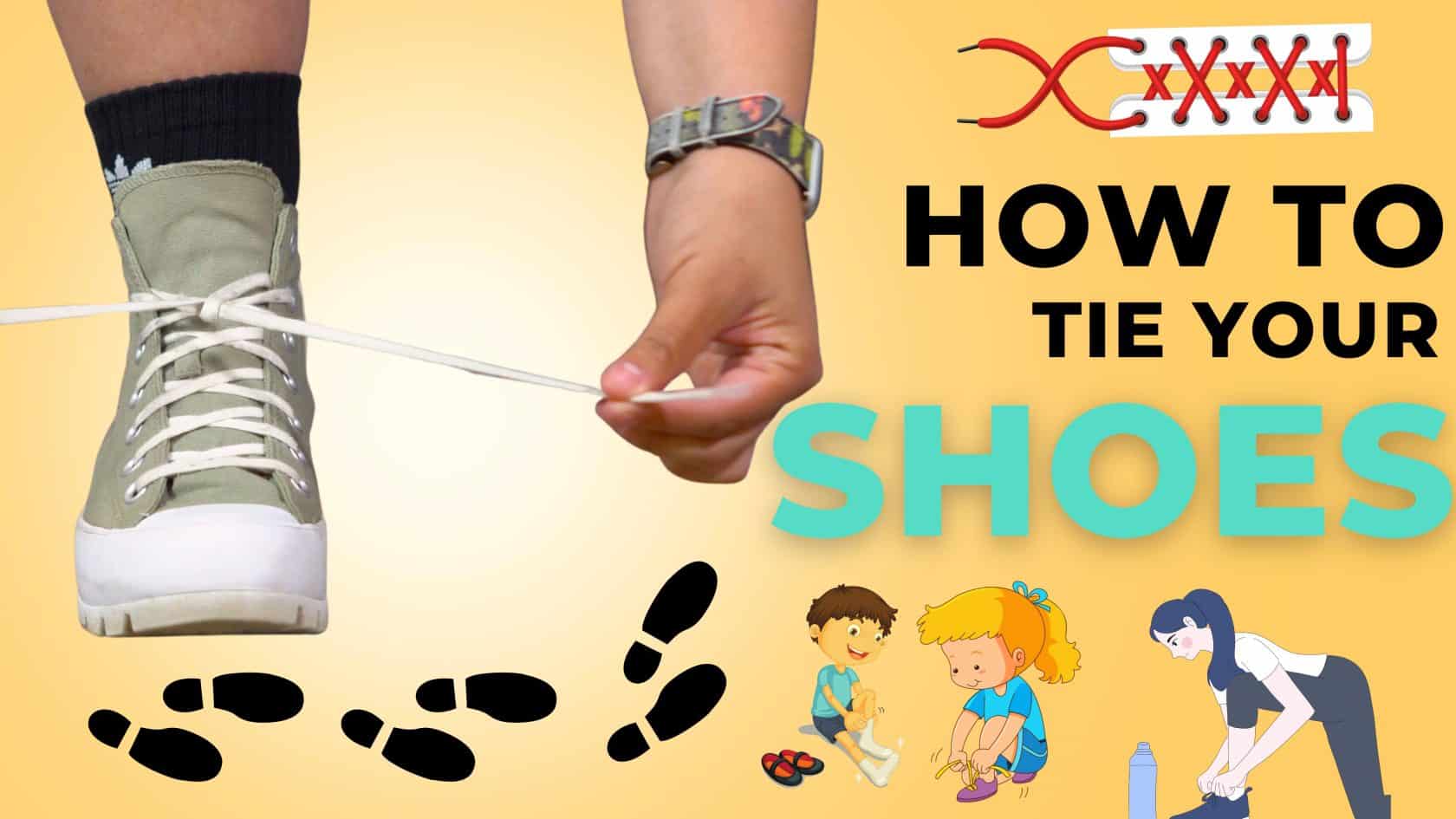
| Skill Mastery | From tying shoelaces to using utensils, imitation plays a vital role in mastering everyday tasks. |
| Building Relationships | Imitation fosters connections with others, as it helps individuals adapt to social norms and behaviors. |
| Effective Teaching Tool | In education and therapy, imitation is a powerful tool for instructors to model desired behaviors and actions. |
Imitation isn’t merely copying; it’s a dynamic process that enables learning, growth, and success in various aspects of life. By harnessing its potential, individuals can achieve their goals and thrive in their unique journeys.
This post was originally published on April 10, 2023. It was updated on Jan. 17, 2024.