Red yellow green behavior charts are tools that help kids recognize and manage their behavior. By visually categorizing actions into clear zones, these charts make it easier for kids to understand expectations and consequences.
Key Takeaways:
- Red yellow green behavior charts use color zones to track and manage behavior.
- They are great for reinforcing positive behavior and setting clear expectations.
- You can download a free printable chart to start using today.
Table of Contents
What is a Red Yellow Green Behavior Chart?
A red yellow green behavior chart is a visual tool used by parents, teachers, and caregivers to help kids track their actions. Each color represents a behavior zone:
- Green: Positive behavior, such as listening, sharing, and following rules.
- Yellow: A warning zone indicating that the behavior needs adjustment.
- Red: Unacceptable behavior that requires immediate attention.
This straightforward system works well because it gives kids clear feedback they can easily understand.

Read More: Behavior Tracker for Kids
How Does a Behavior Chart Help Kids?
Behavior charts offer a structured way to encourage positive actions and discourage negative ones. Here’s how they work:
- Visual Cues: Kids see their progress at a glance, making the system easy to follow.
- Positive Reinforcement: The green zone motivates kids by rewarding good behavior.
- Clear Boundaries: The red and yellow zones set clear expectations and consequences.
For instance, one parent I worked with shared how their child began eagerly striving for green after just a week of using the chart. It created a sense of pride and accountability that hadn’t been there before.
Download Your Free Printable Chart
Ready to get started? Download your free red yellow green behavior chart below!
How to Use a Red Yellow Green Behavior Chart at Home
Implementing a red yellow green behavior chart is simple:
- Set Expectations: Explain to your child what each color means and provide examples.
- Customize the Chart: Add behaviors specific to your child’s needs, like “cleaning up toys” or “staying calm.”
- Track Daily Progress: Update the chart regularly and involve your child in the process.
- Reward Green: Celebrate green-zone behavior with praise or small rewards, like extra playtime.
- Address Red: Use red-zone moments as teaching opportunities rather than punishments.
Consistency is key. Stick to the system, and you’ll start seeing results quickly.
Who Can Benefit from Behavior Charts?
These charts are not just for neurotypical kids. They are especially helpful for neurodivergent kids, including those with autism or ADHD. The visual structure helps reduce anxiety and makes expectations clearer for everyone involved.
Whether you’re a parent of a spirited toddler or a school-aged child, this tool can bring more calm and cooperation to your home or classroom.
Tips for Success with Behavior Charts
To get the most out of your chart, keep these tips in mind:
- Keep It Positive: Focus on reinforcing green-zone behavior rather than punishing red-zone actions.
- Be Consistent: Use the chart daily and make it part of your routine.
- Get Your Child Involved: Let your child decorate the chart or suggest rewards for green behavior.
- Adapt as Needed: Update the chart if certain behaviors no longer apply or new challenges arise.
Over time, you’ll notice patterns in your child’s behavior. Use these insights to adjust strategies and celebrate progress.
Goally | Apps To Support Child Development
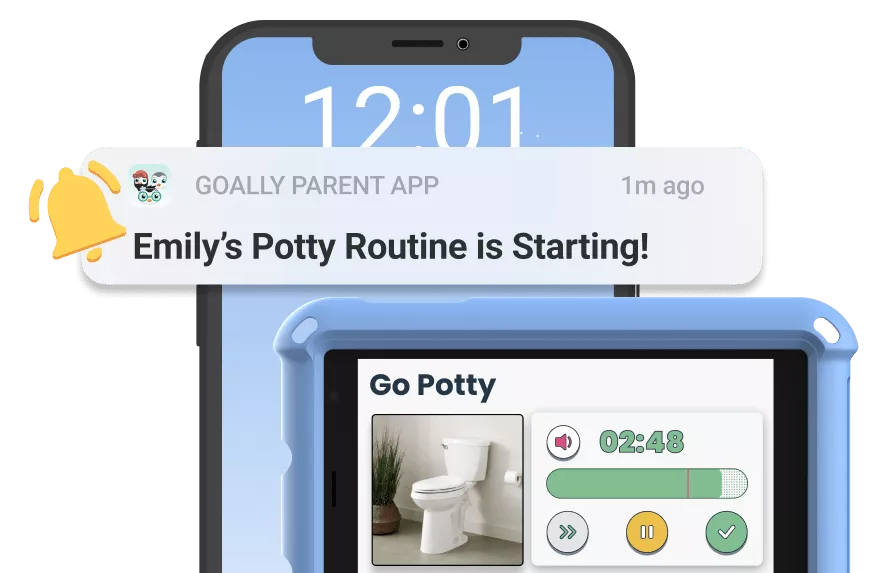
Looking for fun ways to help your child learn life skills? Try Goally! The Goally tablet comes with award-winning learning apps and video classes to help kids develop the skills they need to become independent with FUN & evidence-based practices.

Our apps teach executive function, language, emotional regulation, finger dexterity skills, and more.
As your child develops new skills, you can increase the difficulty level of the tasks in the app to challenge and motivate them even further. This helps your child grow and progress at their own pace, while also keeping them engaged and excited about their development.
Using a red yellow green behavior chart is a simple yet powerful way to help your kids understand expectations, recognize their actions, and feel motivated to make positive choices. By incorporating this tool into your daily routine, you’re not only setting clear boundaries but also fostering a supportive environment where your child can thrive. Whether you’re addressing challenges or celebrating successes, these charts can be a valuable addition to your parenting toolbox.
Resources:
FAQs About Red Yellow Green Behavior Charts
Where can red yellow green behavior charts be used?
These behavior charts are versatile and can be utilized in classrooms, homes, or daycare settings.
How do red yellow green behavior charts work?
These charts use color-coding to represent different behavior levels—good behavior keeps a child in the green zone, while disruptive actions can move them to yellow or red.
Do all children understand red yellow green behavior charts?
While some children might readily comprehend the concept, others might require an explanation to understand what each color on the chart signifies.
How effective are red yellow green behavior charts?
When used consistently, these charts are highly effective at establishing clear behavior expectations and helping children understand the consequences of their actions.
Are red yellow green behavior charts a punishment tool?
No, these charts are not a punishment tool, but rather a visual guide to encourage positive behavior and demonstrate the consequences of negative actions.
This post was originally published on 02/02/2023. It was updated on 01/22/2025.

Hennah is an experienced writer and researcher, helping children with autism, ADHD, and other neurodivergent conditions. As a blog contributor for Goally, she combines her deep understanding of neurodiversity with practical advice, offering valuable insights to parents and educators.