When working with kids, I’ve discovered that empowering them to take charge of their behaviors can produce remarkable results. One effective tool for this is the student self-monitoring behavior chart. This chart not only encourages kids to be more responsible but also nurtures their independence. By regularly tracking their own actions, children learn to understand and manage their behavior patterns more effectively. Parents, imagine your child not just meeting but exceeding expectations through this simple yet transformative method.
Table of Contents
Understanding Your Child’s Behavior
The first step towards effectively using the student self-monitoring behavior chart is understanding your kid’s behavior. In other words, before you can guide them in self-monitoring, it helps to have some insight into why they behave as they do.
- Nature or Nurture: Kids’ behaviors are shaped by both genetic factors (nature) and environmental influences (nurture). Parents must acknowledge this duality when trying to understand their children.
- Social Interaction: Children learn much from interacting with others around them. For instance, they might pick up habits from schoolmates or siblings.
- Mood Swings: Changes in mood often lead to changes in behavior. So next time you notice a sudden change in your kid’s conduct – think again!

Read more: Child Behaviors by Age
The Basics of Behavior Charts
Above all, understanding behavior charts is key to utilizing them effectively. To clarify, these are visual aids used to monitor and manage behavioral progress over time. They work by encouraging children to engage positively with their tasks while providing them with immediate feedback about their performance.
Why A Student Self-Monitoring Behavior Chart Works
Above all else – autonomy matters! When kids feel like they’re steering their own ship rather than being bossed around by grown-ups, real growth happens! Enter the student self-monitoring behavior chart; it turns the reins back into our young ones’ hands.
- Ownership: Kids feel a sense of ownership when they monitor their behavior. This often leads to more accountability and better decision-making skills.
- Motivation: With a student self-monitoring behavior chart, kids can track their progress. Seeing improvements can be highly motivating for them.
- Skill Development: Regularly using the chart helps children develop essential life skills like goal-setting, planning, and time management.
The How-To: Implementing The Chart
To get started with the student self-monitoring behavior chart, it’s crucial to involve your child in the process. This way, they feel ownership and are more likely to participate actively.
- Select Behaviors: Identify specific behaviors that you want your child to improve or maintain. Be clear and concise in defining these behaviors.
- Create The Chart: Now comes the fun part! Design a simple chart together with your kid where they can record their progress daily.
- Motivate With Rewards: Encourage consistency by setting up a reward system linked to positive progress on the chart.
In addition, remember patience is important as change doesn’t happen overnight.

Read more: 7 Positive Reinforcement Example
Navigating Challenges
However, like any strategy, using a student self-monitoring behavior chart may have its share of challenges. On one hand, kids might become overly reliant on rewards or lose interest over time. But don’t fret! There are ways to navigate these hurdles.
- Maintain flexibility: Modify the goals as needed to keep things interesting for your child.
- Avoid material rewards: Instead of tangible items or treats, focus on intangible rewards like praise or extra.
Goally | Apps That Build Behavior & Life Skills for Kids
Want to keep your child motivated while building essential behavior and life skills? Goally’s skill-building tablet is designed to celebrate small wins and help your child grow. Our Behavior Tracker helps you reward your kid for specific skills, like “being kind” or “flushing the toilet.”
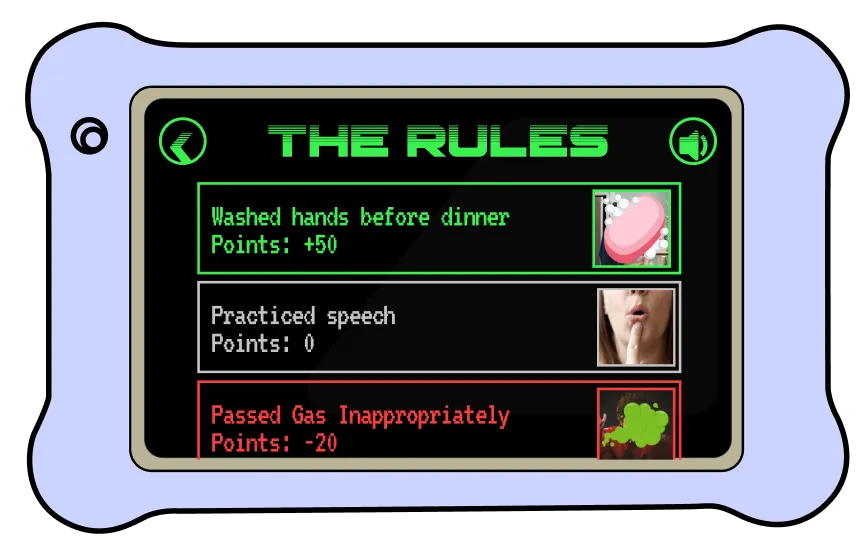
By setting clear expectations and rewarding their efforts, you foster a positive environment for your child to flourish in their behavioral skills journey.
Raising responsible kids can be an enjoyable journey with the right resources! Our handy student self-monitoring behavior chart is here to empower children, giving them control over their actions while teaching them invaluable life skills. Why wait? Download our printable PDF today and see autonomy thrive in your home!
Resources:
- Intervention Central
- PBIS (Positive Behavioral Interventions and Supports)
- IRIS Center at Vanderbilt University
FAQ about Student Self-Monitoring Behavior Chart
What is a student self monitoring behavior chart?
It's a tool used by parents and educators to help kids track their own behaviors, promoting self-awareness and accountability.

How can I use a student self monitoring behavior chart for my child?
You can introduce the chart as an interactive way for your kid to recognize and keep track of their behaviors, rewarding positive actions while addressing areas that need improvement.

Is the student self monitoring behavior chart effective with neurodivergent kids?
Absolutely! The visual representation of progress on these charts often proves beneficial in fostering better understanding and management of behaviors among neurodivergent children.

Can using such charts make parenting easier?
Certainly! A well-utilized student self-monitoring behavior chart not only fosters independence in kids but also provides parents with valuable insights into their child’s behavioral patterns.
This post was originally published on 11/15/2023. It was updated on 08/09/2024.

Hennah is an experienced writer and researcher, helping children with autism, ADHD, and other neurodivergent conditions. As a blog contributor for Goally, she combines her deep understanding of neurodiversity with practical advice, offering valuable insights to parents and educators.