Sequencing is the ability to put things in the right order. It’s an important skill for kids to learn because it helps them understand the steps needed to complete a task or follow a story.



Sequencing is the ability to put things in the right order. It’s an important skill for kids to learn because it helps them understand the steps needed to complete a task or follow a story.


How can I help my child improve their sequencing skills?
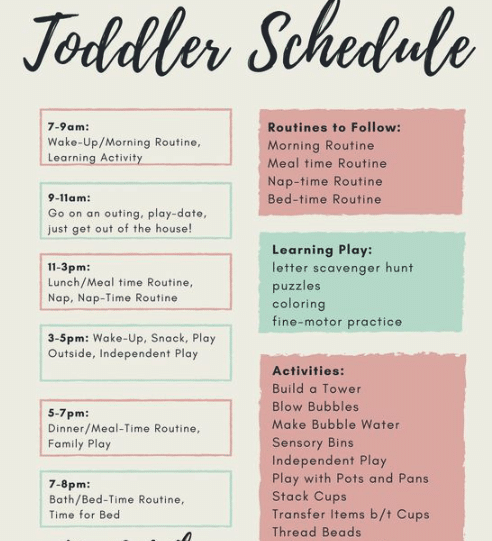
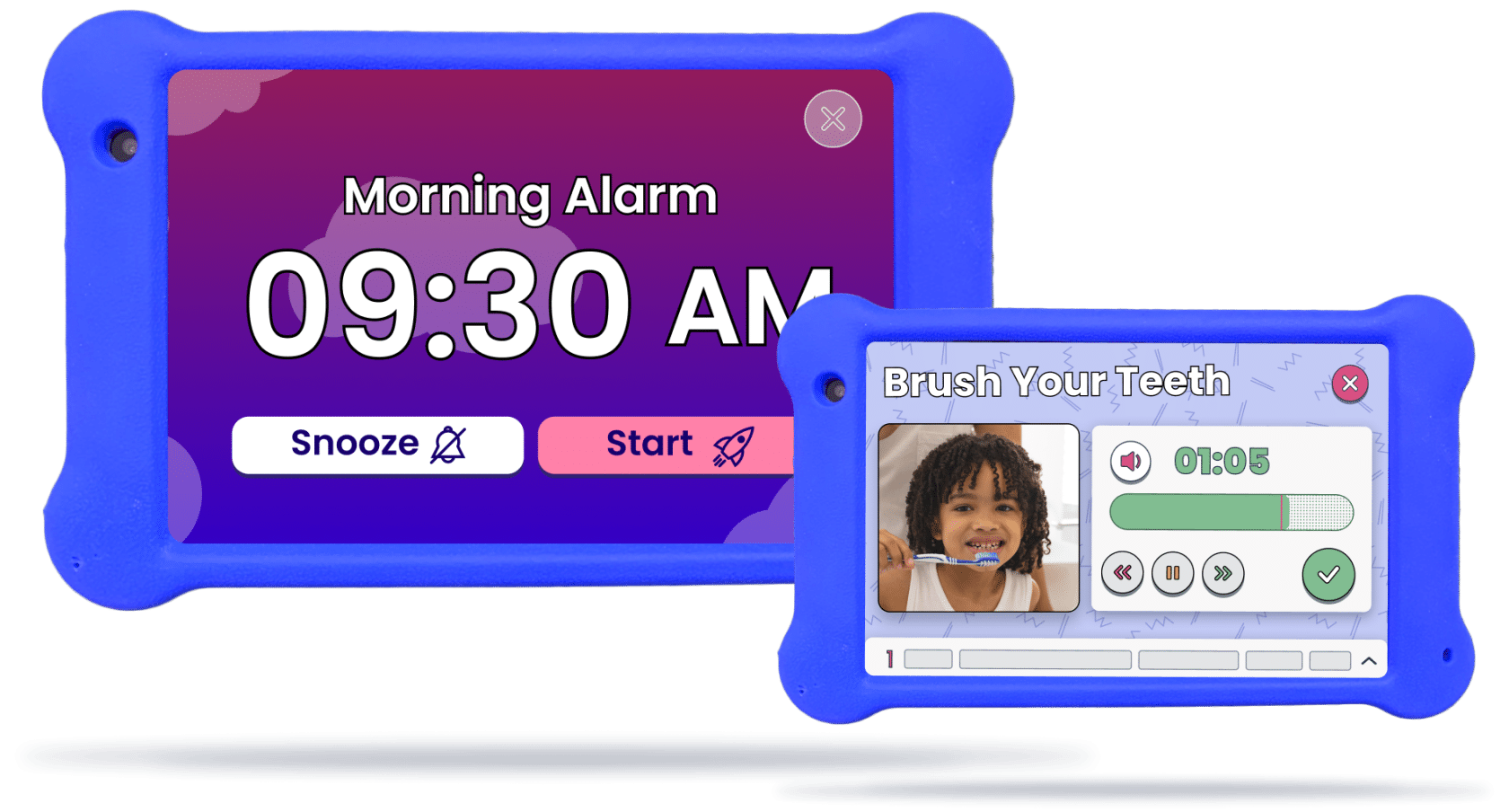
You can support your child by using visual schedules, breaking tasks into smaller steps, and providing clear, consistent instructions to enhance their sequencing abilities.
What are the common signs of sequencing challenges in children?
Children with sequencing difficulties may struggle with organizing their thoughts, following multi-step instructions, and often appear disorganized in their daily activities.
Can sequencing challenges be a sign of a learning disability or developmental disorder?
Yes, sequencing issues can be associated with various conditions such as autism, ADHD, and language disorders, so it’s essential to consult with a professional for a proper evaluation.
Are there fun and engaging activities to help children with special needs practice sequencing?
Absolutely! Activities like storytelling, cooking, playing board games, and using sequencing apps can make learning this skill enjoyable and effective for children with special needs.


Sequencing refers to the cognitive process and ability to place items, ideas, or actions in a specific and logical order. It involves identifying patterns, making predictions, and understanding the progression of elements. Sequencing skills are essential for comprehending and carrying out multi-step tasks, as well as for developing narrative coherence in language and storytelling. Research has shown that difficulties with sequencing are common among children with autism spectrum disorders and can impact their adaptive functioning.

Sequencing is a fundamental skill that comes into play across many areas of life. Here are some key examples:
| Activity | Sequencing Skills Used |
|---|---|
| Brushing teeth | Put toothpaste on brush, brush teeth, rinse mouth, put away supplies |
| Following a recipe | Gather ingredients, follow steps in order, mix and cook as directed, serve |
By breaking down tasks into smaller, sequenced steps and providing visual aids and frequent practice, parents and educators can help children with special needs build their sequencing abilities. This lays the foundation for greater independence and success in school and beyond.
This post was originally published on October 18, 2023. It was updated on June 19, 2024.