Getting ready to go to the pool with kids can be a fun yet challenging task. I remember the excitement I felt as a kid when my family planned a day at the pool, but now, as someone who works with kids, I see how much preparation is needed to ensure a safe and enjoyable experience. Going to the pool isn’t just about packing swimsuits and towels; it’s about making sure you’ve thought of everything from sun protection to snacks, and even making sure your neurodivergent kids feel comfortable with the trip. In this guide, I’ll walk you through the essential steps to get ready to go to the pool, ensuring your day is filled with nothing but fun and splashes.
Table of Contents
Step 1: Prepare the Essentials
The first step in getting ready to go to the pool is preparing all the essentials. Trust me, it’s easy to forget something important in the excitement of the day. Start with the basics: swimsuits, towels, and sunscreen. For kids, especially those with sensitive skin or special needs, it’s important to choose a sunscreen that is gentle yet effective. Make sure to pack extra towels and a change of clothes for each child. It’s always better to have more than you need than to find yourself short on supplies.
Don’t forget about protective gear like hats and sunglasses. These not only keep the sun out of their eyes but also provide an extra layer of protection against harmful UV rays. I also recommend packing a waterproof bag to store wet clothes after your pool time. That way, you can keep everything else dry and organized. As a licensed practitioner, I’ve seen firsthand how a well-packed bag can make or break a day out with kids.
Step 2: Plan for Sun Safety
Sun safety is crucial when spending the day at the pool. I can’t stress enough how important it is to protect kids from the harmful effects of the sun. Start by applying sunscreen at least 15-30 minutes before heading outside. This gives it enough time to absorb into the skin and start working. Reapply every two hours, or more often if the kids are swimming or sweating a lot. Choose a broad-spectrum sunscreen with an SPF of at least 30 to protect against both UVA and UVB rays.
In addition to sunscreen, consider dressing your kids in UPF (Ultraviolet Protection Factor) clothing. These clothes are designed to block out the sun’s harmful rays and are especially useful for kids who have sensitive skin. For neurodivergent kids who might not like the feeling of sunscreen, UPF clothing can be a great alternative. Also, make sure to bring along a wide-brimmed hat and sunglasses for extra protection.
Read more: Top 3 Sports for Kids With ADHD
Step 3: Pack Healthy Snacks and Hydration
Keeping kids hydrated and fed is key to a successful pool day. When kids are active in the water, they might not realize how hungry or thirsty they are until it’s too late. That’s why I always pack plenty of water and healthy snacks. Water is the best way to keep them hydrated, but you can also bring along some electrolyte drinks if they’ve been swimming for a long time. Avoid sugary drinks, as they can cause a spike in energy followed by a quick crash.
As for snacks, think of things that are easy to eat and won’t spoil in the sun. Fresh fruits like grapes, apple slices, and berries are great options, as are granola bars and nuts. If you’re packing a cooler, consider adding some yogurt or cheese sticks for a boost of protein. Remember to take into account any food allergies or dietary restrictions your kids might have, especially when packing snacks for neurodivergent kids who might have specific preferences.
Step 4: Prepare for Water Safety
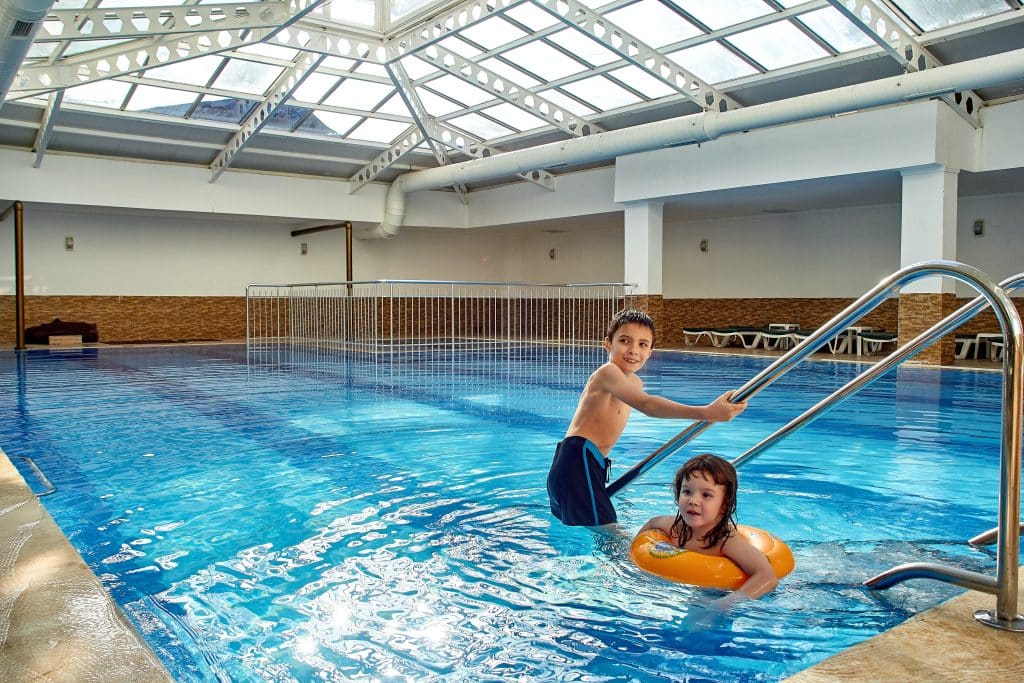
Water safety is paramount when going to the pool with kids. Before you even leave the house, make sure your kids understand the importance of pool rules, like no running around the pool deck and always swimming with a buddy. I’ve found that practicing these rules at home can make kids more comfortable and confident when they’re actually at the pool.
For younger kids or those who aren’t strong swimmers, consider bringing flotation devices like water wings or life vests. However, don’t rely solely on these devices; it’s important to keep a close eye on them at all times. Make sure to choose a designated “water watcher” in your group—someone who is responsible for keeping an eye on the kids at all times. According to the American Red Cross, drowning is the leading cause of unintentional death in children ages 1-4, which underscores the importance of being vigilant.
Step 5: Address Sensory Sensitivities
For neurodivergent kids, a day at the pool can be overwhelming due to sensory sensitivities. The bright sun, loud noises, and the feeling of water on the skin can be too much for some kids. To make the experience more enjoyable, it’s important to prepare for these challenges in advance. I recommend bringing noise-canceling headphones or earplugs if your child is sensitive to loud sounds. These can help reduce the noise level and make the environment less overwhelming.
Read more: Pool Safety for Kids
You can also bring along some familiar items from home, like a favorite towel or toy, to provide comfort. If your child is sensitive to the feeling of water, consider starting with a splash pad or shallow area before moving to the deeper parts of the pool. Gradual exposure can help them feel more comfortable and confident in the water.
Step 6: Plan Activities to Keep Kids Engaged
A day at the pool can be fun, but it can also be long, especially for kids who need more stimulation. To keep them engaged, plan a few activities that they can do both in and out of the water. Pool toys like dive sticks or floating balls can provide endless entertainment in the water. For neurodivergent kids who might prefer a quieter activity, consider bringing along waterproof books or sensory toys that they can play with poolside.
I also like to plan a few games that everyone can participate in, like a water obstacle course or a simple game of Marco Polo. These activities not only keep the kids entertained but also help them burn off energy in a safe and fun way. Remember, a well-planned day keeps the kids happy and gives you peace of mind.
Step 7: Prepare for Post-Pool Cleanup
After a fun day at the pool, the last thing you want is to drag wet, sandy, or chlorinated kids into the car. That’s why I always prepare for post-pool cleanup before we leave the house. Bring along a few extra towels and a bottle of water to rinse off sand or chlorine before getting into the car. You can also pack a portable shower or baby wipes to give the kids a quick clean-up.
Make sure you have a change of clothes ready for each child, including underwear and socks. I also recommend bringing a plastic bag for wet swimsuits and towels to keep everything else in your bag dry. By taking a few minutes to clean up and change clothes, you can make the transition from pool time to home time smoother and more comfortable for everyone.
Goally | 100+ Streaming Video Classes
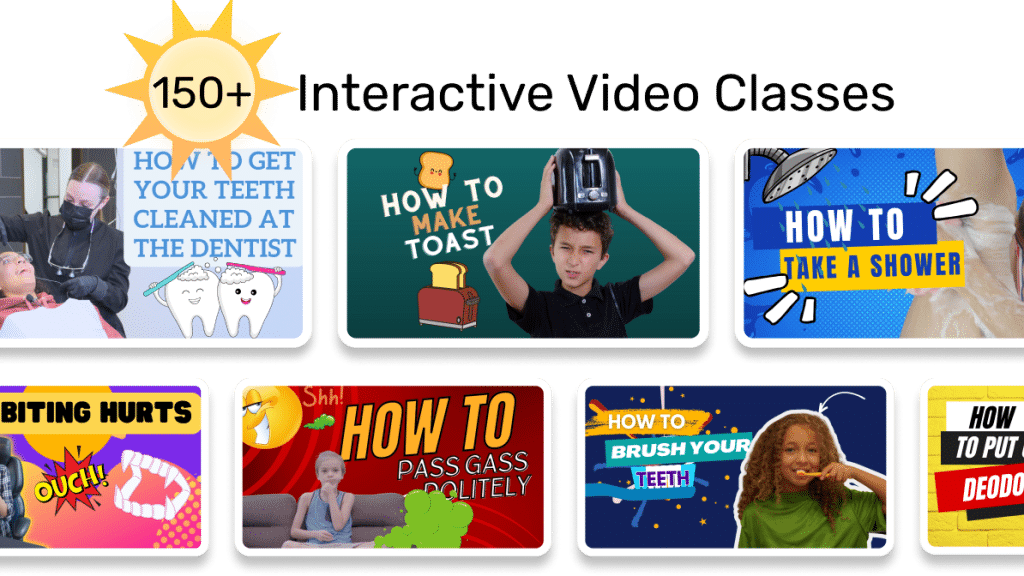
Does your child need some extra guidance on building essential life skills? Goally’s skill building tablet for kids includes a TV app that has the most robust video library of skills training videos for kids. Ranging from content like “How to Brush Your Teeth” to “How to Make Friends at School,” we have dozens of interactive video lessons for kids with thinking and learning differences.
HERE’s a video explaining how to works.
Getting ready to go to the pool with kids requires a bit of planning, but with these steps, you can ensure a fun, safe, and enjoyable day for everyone. By preparing ahead of time, you can focus on what really matters—making memories and enjoying quality time with your kids.
Helpful Resources
FAQ’s About How to Get Ready to Go to the Pool
What are the essentials to pack for a pool day?
Essentials include swimwear, towels, sunscreen, snacks, water, and pool toys.

How can I prepare my child for the pool?
Familiarize them with water through fun bath times, discuss pool safety, and consider swimming lessons.

What are some safety measures for kids at the pool?
Always supervise your child, ensure they wear floaties if needed, and teach them not to run around the pool.

How can I make the pool experience fun for my child?
Bring along their favorite water-friendly toys, play games, and encourage them to make friends.

How can I use a visual schedule for a pool day?
A visual schedule can outline the sequence of activities like changing, applying sunscreen, swimming, snack time, and packing up.
This post was originally published on 08/28/2023. It was updated on 08/16/2024.

Emily is a seasoned blog writer for Goally, leveraging her extensive background in child psychology and special education to provide valuable insights and resources for parents. Her commitment to understanding and addressing the unique needs of these children, combined with her expertise in educational strategies, makes her a credible and empathetic voice for families.