Are you struggling to keep your kids on track with their weekly activities? Creating a consistent routine can feel overwhelming, but with a weekly schedule template for kids, it doesn’t have to be. This blog will guide you through why these templates work, how to implement them, and provide you with a free downloadable PDF to make things easier.
Key Takeaway:
- Easy-to-follow weekly schedule template for kids
- Helps neurodivergent kids maintain structure
- Downloadable, printable PDF included
- Tips for customizing your schedule to fit your child’s needs
What is a weekly schedule template for kids? A weekly schedule template is a tool designed to help kids stay organized by visually displaying their activities throughout the week. It breaks down daily tasks and events in a clear, simple format. You can use it to ensure your kids follow routines while keeping room for flexibility.
Table of Contents
Why Routines Matter for Kids
Kids thrive on routine, especially neurodivergent kids or those with learning differences. A predictable schedule helps reduce anxiety, increases independence, and makes transitions smoother throughout the day. By using a weekly schedule template for kids, you create structure that promotes consistency while reducing those “what are we doing today?” questions.
For example, mornings can be a particularly chaotic time. If your kids know the plan ahead of time, it reduces the stress for everyone. A schedule also allows you to involve your kids in managing their own time. I’ve seen kids gain a sense of accomplishment when they check off their tasks for the day. They become more confident in their abilities to manage time—something they will carry into adulthood.

Read more: Weekly Chore Chart Printable
Customizing Your Weekly Schedule Template for Kids
One size does not fit all when it comes to weekly schedules. Every child is different, and their needs will vary depending on their age, personality, and whether they have any learning differences. Customizing a template allows you to create a plan that works specifically for your kids. Here are some tips:
- Include downtime: Over-scheduling can lead to burnout. Ensure there’s time for rest and unstructured play.
- Use visuals: Especially for younger or neurodivergent kids, adding pictures or icons next to activities can make the schedule easier to understand.
- Make it interactive: Laminating the template so your kids can use dry-erase markers to check off completed tasks makes them feel involved and in control.
With a little creativity and flexibility, you’ll be able to build a routine that fits your family’s needs perfectly. So, go ahead, download the free template, and start organizing your week in a way that works for your kids!
Printable Weekly Schedule Template for Kids
Download this free, customizable weekly schedule template to help your kids stay on track and take ownership of their daily routine. It’s simple, printable, and easy to adapt to your family’s needs.
How to Implement the Weekly Schedule
Once you’ve downloaded your template, here’s how to make it work for your family:
- Start Small: Don’t overwhelm your kids by filling every time slot with an activity. Begin with key events like school, mealtimes, and bedtime routines, then build from there.
- Review Weekly: On Sunday evenings, sit down with your kids to go over the upcoming week. This helps them prepare for what’s ahead.
- Allow Flexibility: Things change, and that’s okay. Show your kids that schedules can adapt when needed without disrupting the whole routine.
With a flexible approach and this free schedule template, you can make your family’s routine smoother and more manageable. It’s all about balance—keeping a structure that works for your kids while allowing room for changes as needed.
Best Practices for Keeping Kids on Track
Sticking to a schedule doesn’t have to feel restrictive. It’s more about helping kids understand their day better. If you make the process fun and interactive, kids are more likely to engage with it. Here are some of my favorite tips for keeping the momentum going:
- Use Rewards: Create a reward system where kids earn points or stickers for completing tasks.
- Stay Consistent: Kids need to know what to expect. If you change things too often, they may lose interest in the schedule.
- Model the Behavior: Show them how you use a planner or calendar to stay on track. When they see you doing it, they’re more likely to follow suit.
By keeping things fun and engaging, you’ll find that your kids not only stick to the schedule but enjoy taking responsibility for their day. With this free schedule template and a little consistency, you’ll be well on your way to a smoother, more organized week for the whole family!
Benefits of Using a Weekly Schedule Template for Kids
Research shows that routines are incredibly beneficial for young kids. According to the American Academy of Pediatrics, kids with regular routines tend to have better emotional regulation, fewer behavior problems, and higher academic success.
Here’s why a weekly schedule is especially helpful:
- Promotes independence: Kids learn to manage their own time, reducing the need for constant reminders.
- Reduces anxiety: Knowing what comes next gives kids a sense of security.
- Improves focus: A clear schedule helps neurodivergent kids maintain attention and transition more easily between activities.
By implementing a weekly schedule, you’re not just organizing your day—you’re providing your kids with the structure and consistency they need to thrive.

Read more: Weekly Behavior Charts | Free Printables
Making the Schedule Work for Neurodivergent Kids
If your child has special needs, a weekly schedule is very important. Visual schedules help kids with autism or ADHD by providing predictability and lowering anxiety. Using a template with pictures allows these kids to grasp their daily activities better without feeling stressed.
Here’s how you can adapt the schedule for kids with thinking and learning differences:
- Incorporate sensory breaks: Kids with ADHD or autism may need breaks to calm down or reset. Adding sensory activities like deep pressure exercises can help.
- Keep it visual: Use colors, icons, or pictures to represent different activities. This can help neurodivergent kids better process their day.
- Break tasks down: Instead of listing “school,” break it down into smaller parts, like “morning meeting,” “recess,” “reading time,” etc.
With just a few adjustments, you can transform your weekly schedule into a tool that not only keeps your kids on track but also meets their specific learning needs.
Goally | Visual Scheduler for Autism
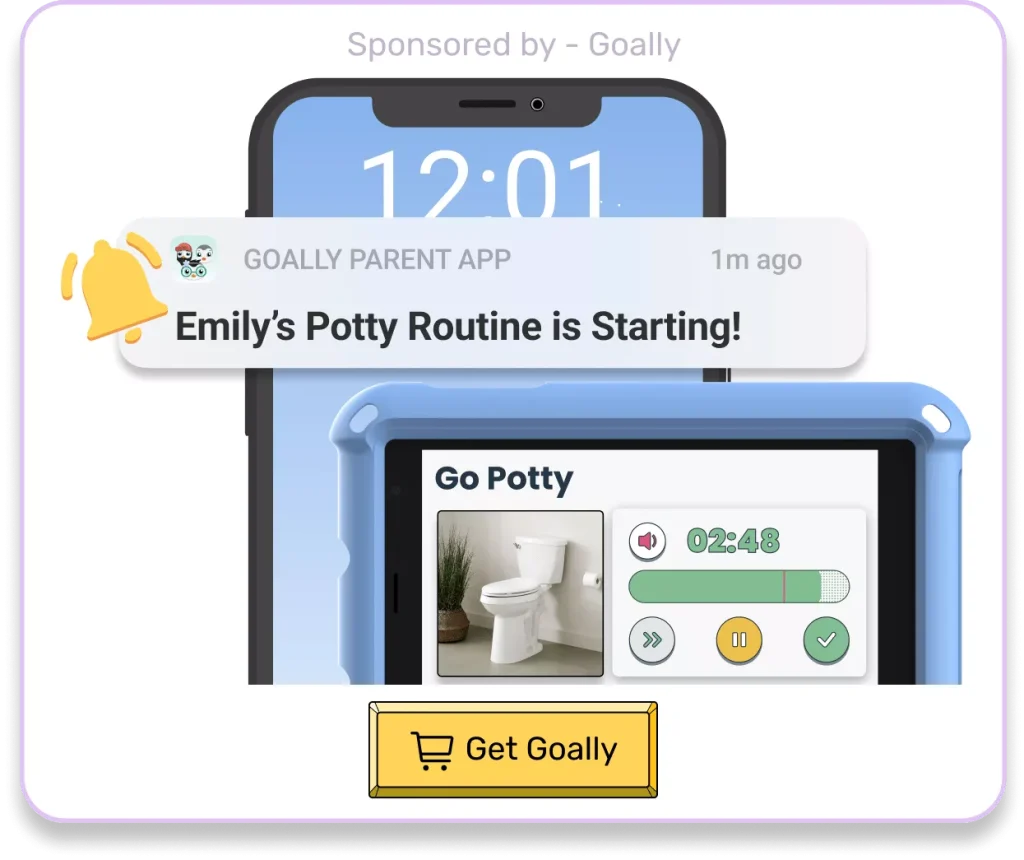
Does your child struggle with getting ready in the morning independently? Goally’s routine app on the best tablet for kids breaks down large tasks into small, achievable steps for autistic kids. Create custom routines with your own videos & pictures for every step.
A weekly schedule template for kids is an essential tool for any parent who wants to help their kids develop healthy routines. By customizing the template to fit your family’s unique needs, you’ll foster independence and create a sense of calm in your home. Try the free printable schedule today, and watch as your kids start to take charge of their time!
Resources:
FAQs about Weekly Schedule Template
What is a weekly schedule template for kids?
A weekly schedule template is a tool that helps kids stay organized by outlining their daily activities in a simple, easy-to-follow format.

How can a weekly schedule template help neurodivergent kids?
A weekly schedule provides structure, reduces anxiety, and helps neurodivergent kids transition smoothly between activities.

Why is a printable weekly schedule template beneficial for parents?
It’s a convenient, ready-made tool that parents can customize to fit their kids' routines, making daily planning easier.

How do I download a free weekly schedule template?
You can download a free, customizable weekly schedule template directly from the blog for easy printing and use.

How can I use a weekly schedule template to reduce stress for my kids?
By providing a predictable routine, the schedule helps kids know what to expect, reducing uncertainty and stress.
This post was originally published on 02/15/2022. It was updated on 10/23/2024.

Hennah is an experienced writer and researcher, helping children with autism, ADHD, and other neurodivergent conditions. As a blog contributor for Goally, she combines her deep understanding of neurodiversity with practical advice, offering valuable insights to parents and educators.