As parents, we can’t help but feel concerned when we hear about the possible “autism epidemic” and the growing rates of diagnosis. In this post, we’ll explore the reasons behind this increase, from improved awareness to genetic and environmental factors, and discuss how to support our unique neurodivergent kids. Our mission is to confront the complexities of autism prevalence and provide you with a more comprehensive understanding.
Table of Contents
Understanding the Increase in Autism Diagnosis
Most importantly, it’s essential to acknowledge that the autism diagnosis rates have indeed soared over the last few decades. The CDC reports that presently 1 in 54 kids is diagnosed with autism, a substantial jump from the 1 in 150 rate reported in the early 2000s.
Concerns arise from such a drastic increase – does it indicate a genuine autism epidemic, or could something else be responsible? Certainly, we need to understand other factors before jumping to any conclusions.
The Role of Better Awareness and Diagnosis
One significant element in the so-called autism epidemic is our improved understanding of autism and upgraded diagnostic tools. Previously, many kids with thinking and learning differences might have been misdiagnosed or not diagnosed at all.
Goally | Visual Scheduler for Autism
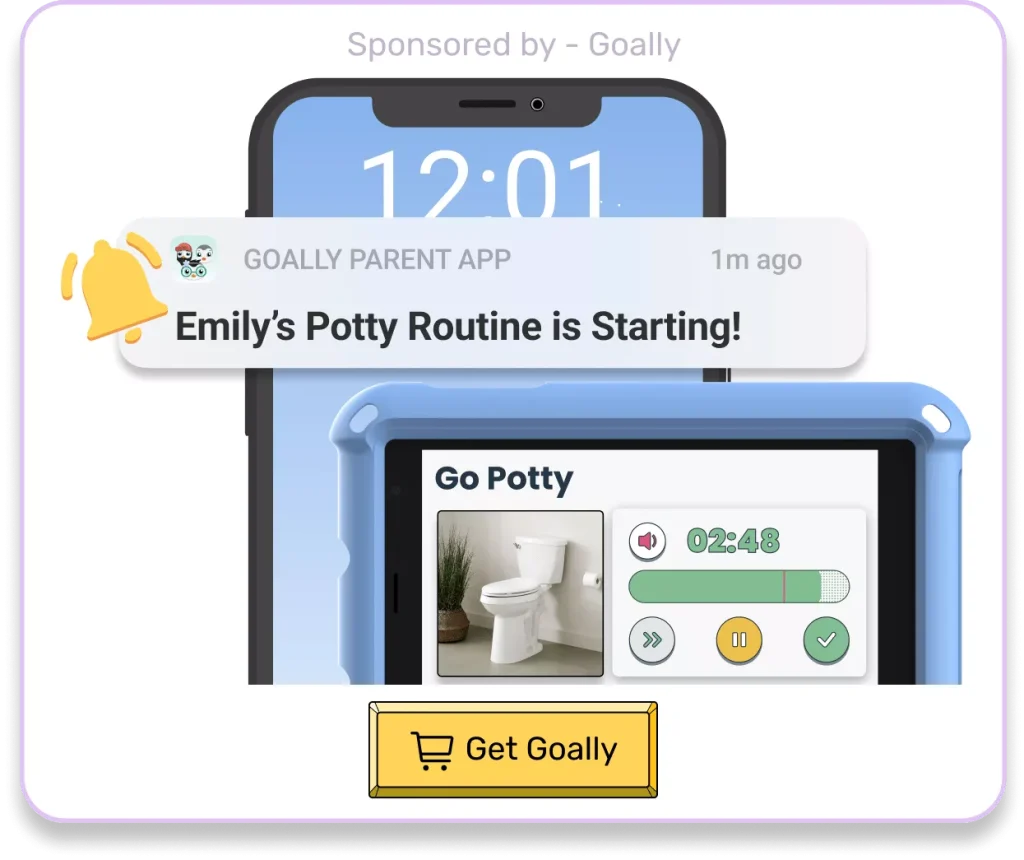
Does your child struggle with getting ready in the morning independently? Goally’s routine app on the best tablet for kids breaks down large tasks into small, achievable steps for autistic kids. Create custom routines with your own videos & pictures for every step.
Read more: Best Learning Tablet for Preschoolers
Now, with refined diagnostic criteria, we’re better able to recognize and accurately identify neurodivergent kids. For example, the Autism Diagnostic Observation Schedule (ADOS) was in the late 1990s, paving the way for more reliable autism assessments. Moreover, the addition of autism spectrum disorder (ASD) to the DSM-5 in 2013 further extended the diagnostic criteria, including various levels of severity and function.
Examining the Environmental and Genetic Factors
Could there be a connection between this diagnosis spike and the genetics or environmental factors affecting our kids? Let’s take a closer look at the research:
| Genetics | Autism is considered to have high heritability, with estimates suggesting up to 80% heritability rate. This means that if one child in a family has autism, their siblings have a higher likelihood of also having it. But keep in mind that genetics alone don’t necessarily cause autism – environmental factors can still impact genetic expression. |
| Environmental Factors | Factors such as prenatal and early-life exposures (e.g., maternal health during pregnancy, air pollution) have been associated with a higher risk of autism. Yet, individually, these factors do not solely cause autism. |
In short, while genetics and environmental factors can play a role in autism diagnosis rates, they cannot fully explain the rise in numbers observed in recent years.
Supporting Neurodivergent Kids in a World of Changing Perceptions

Read more: If I Have Autism Will My Child Have It?
As we try to navigate the complexities of autism prevalence, our top priority should be supporting our neurodivergent kids. You can empower them through these steps:
- Early intervention: Emphasize early intervention for your kids with autism. Focusing on communication, social, and behavioral challenges can lead to a better quality of life.
- Individualized support: Cater to the unique strengths and needs of your kid with autism. Work closely with educators, therapists, and other professionals to craft a tailor-made program for them.
Above all, let’s celebrate our neurodivergent kids as they are. Understand their challenges, rejoice in their successes, and help them become their best selves.
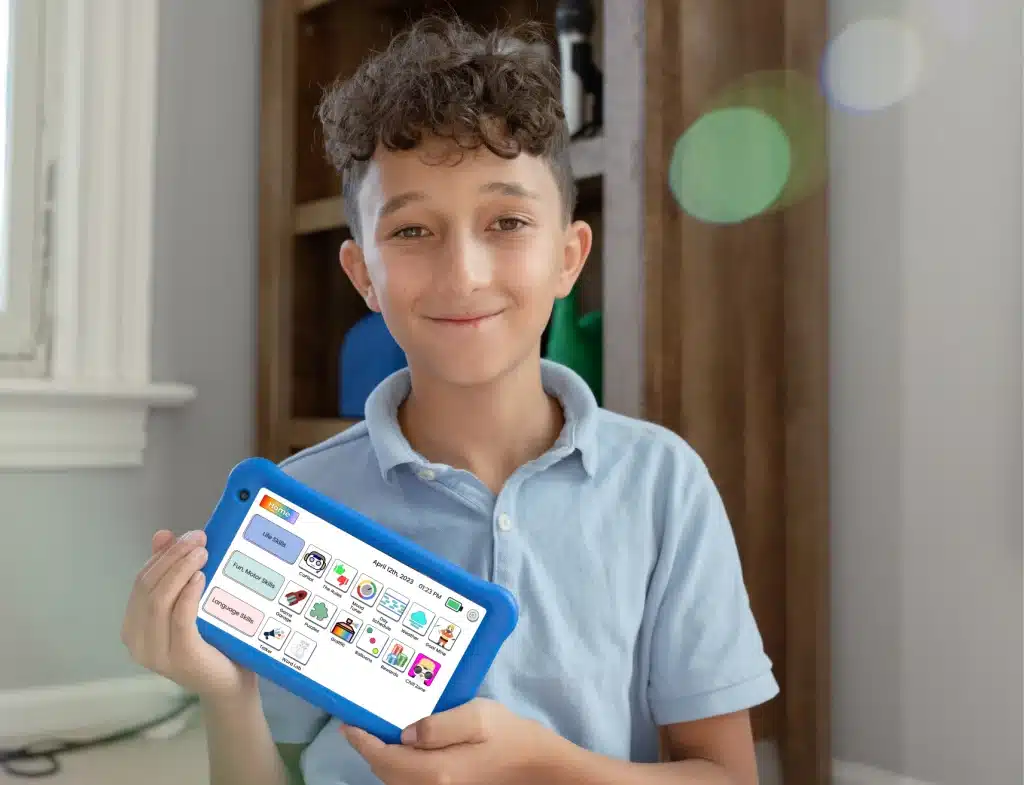
Give your kid an independent future. Goally has 15+ learning apps that teach life skills. There are NO web browsers, social media, or YouTube.
Our apps teach executive function, language, emotional regulation, finger dexterity skills, and more. It also 100+ video classes teaching social skills.
Towards a Better Understanding of the Autism Epidemic
In conclusion, whether there’s a genuine autism epidemic remains unclear. The rise in diagnosis rates is due to awareness, better diagnostic tools, and changing evaluation guidelines. Genetics and environmental factors play roles as well, but they don’t solely account for the growing prevalence numbers. As caregivers and parents, our duty is to understand, accept, and support our neurodivergent kids. Let’s cradle them with opportunities to thrive and grow healthily in a society that honors diversity.
This post was originally published on 05/23/2023. It was updated on 08/02/2023.

Goally
We help parents teach their kids life skills, like doing bedtime and morning independently. Backed by science, we incorporate evidence-based practices and expert-informed designs in all of our apps and content.