Wondering if your autistic baby laughs when tickled? This blog explores the science behind tickling, how neurodivergent kids might respond differently, and offers tips for understanding and supporting your child’s unique reactions.
Key Takeaways:
- Tickling Response Varies: Autistic children may respond differently to tickling due to unique sensory processing and social-emotional factors.
- Sensory Processing Impact: Some may find tickling overwhelming or uncomfortable, while others may enjoy it.
- Individual Preferences: Each child has distinct likes and dislikes; respect and adapt to their preferences.
- Observe and Respect: Pay attention to your child’s cues and always seek consent before tickling.
- Professional Guidance: If concerned about your child’s reactions, consult healthcare providers for support.
Do autistic babies laugh when tickled?
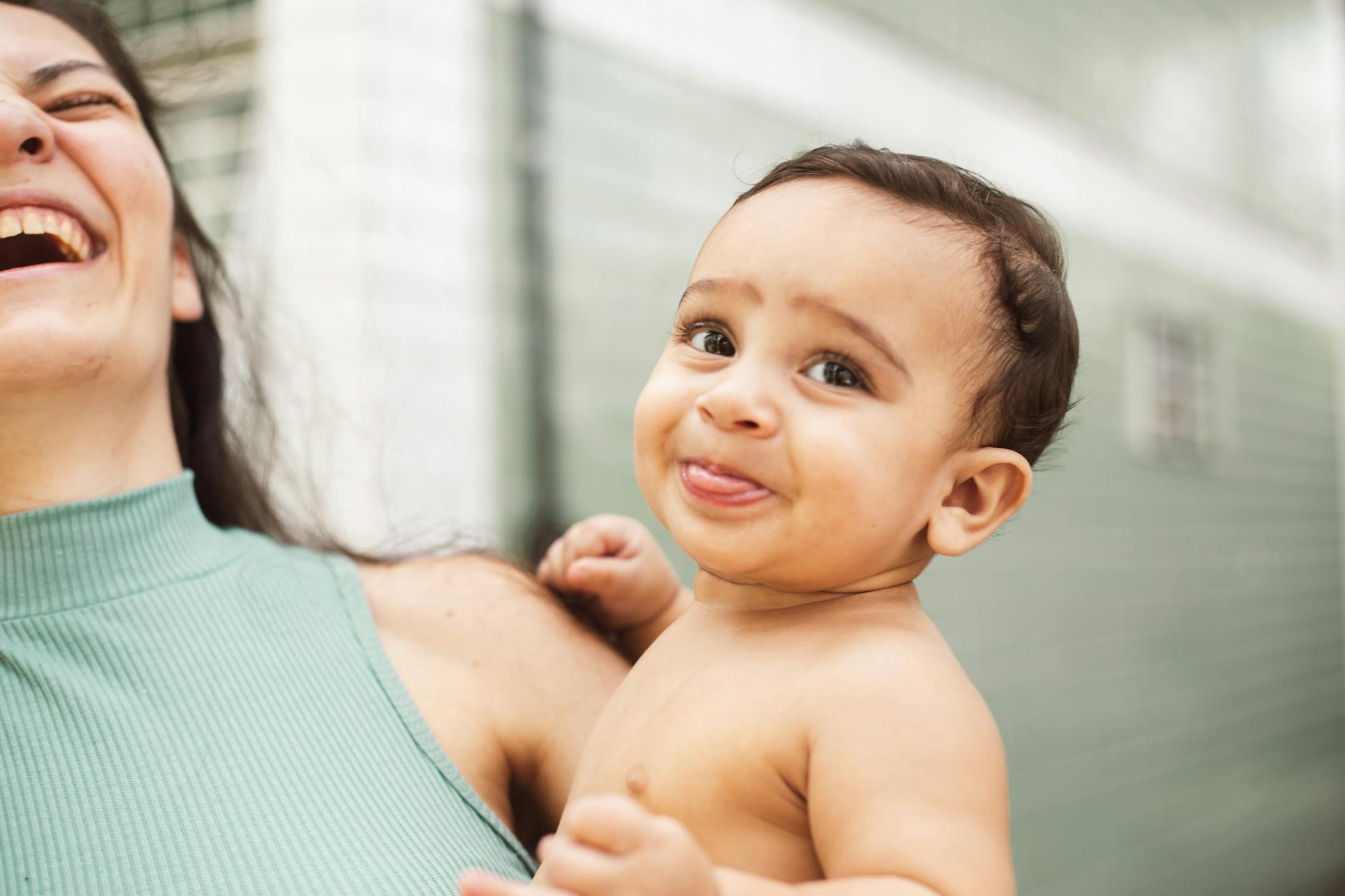
Autistic babies may or may not laugh when tickled, as their response depends on individual sensory processing, social-emotional development, and personal preferences.
Table of Contents
Tickling 101: The Science Behind the Giggles
Firstly, let’s take a look at the science of tickling. Tickling is a form of tactile stimulation that typically elicits laughter. There are two types of tickling:
- Knismesis: A light, gentle touch that can cause a tickling sensation, often accompanied by an itching or tingling feeling.
- Gargalesis: A more intense, deep pressure that usually results in laughter, often associated with playful tickling.
Laughter, on the other hand, is a complex social and emotional response. It’s not just about the physical sensation of being tickled; it also involves cognitive, emotional, and social factors. For example, laughter can be a way to bond with others, express joy, or even relieve stress. However, it’s essential to understand that neurodivergent kids may have different responses to tickling due to their unique sensory processing and social-emotional development.
Neurodivergent Kids and Tickling: What to Expect
Now that we understand the basics of tickling and laughter let’s address the question, “Do autistic babies laugh when tickled?” The answer is not a simple yes or no. Neurodivergent kids, including those with autism, may have different responses to tickling due to their unique sensory processing and social-emotional development.
Some autistic children may indeed laugh when tickled, while others might not respond at all or even find the sensation uncomfortable. Here are a few factors that can influence a neurodivergent child’s reaction to tickling:
- Sensory processing: Kids with autism often have atypical sensory processing, which means they might experience touch differently. Tickling could be perceived as more intense or even painful for some children.
- Social-emotional development: Autistic kids may have different social and emotional cues, which can affect their response to tickling. They might not understand the playful intent behind tickling or may not find it as enjoyable as neurotypical children do.
- Individual preferences: Just like anyone else, neurodivergent kids have their own likes and dislikes. Some might enjoy tickling and laugh in response, while others may not find it pleasurable.
Read more: How is Autism Diagnosed?
Here’s a table summarizing the factors that can influence a neurodivergent child’s response to tickling:
| Factor | Impact on Tickling Response |
|---|---|
| Sensory processing | May perceive touch differently, leading to varied reactions to tickling |
| Social-emotional development | May not understand the playful intent or find tickling enjoyable |
| Individual preferences | Personal likes and dislikes can influence the response to tickling |
Understanding and Supporting Your Child’s Unique Reactions
As a parent, it’s essential to be aware of your child’s individual preferences and sensory needs. Here are some tips to help you understand and support your neurodivergent child’s response to tickling:
- Observe their reactions: Pay close attention to your child’s body language and facial expressions when they’re tickled. This can give you valuable insights into their comfort level and enjoyment.
- Ask for consent: Always ask your child if they want to be tickled and respect their wishes. This teaches them about bodily autonomy and ensures they feel safe and comfortable.
- Adjust your approach: If your child doesn’t enjoy tickling or finds it uncomfortable, try other forms of playful touch, such as gentle squeezes or light strokes.
- Communicate with professionals: If you have concerns about your child’s sensory processing or social-emotional development, consult with their healthcare provider or therapist for guidance and support.
Goally | Visual Scheduler for Autism
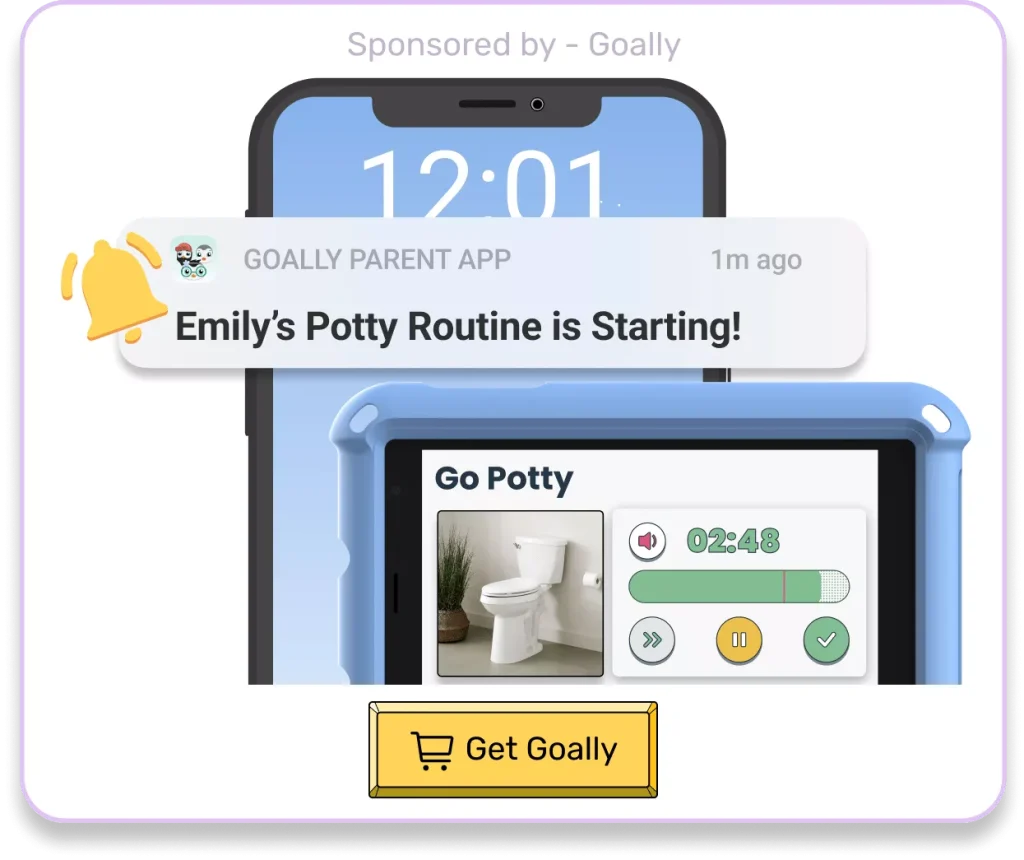
Does your child struggle with getting ready in the morning independently? Goally’s routine app on the best tablet for kids breaks down large tasks into small, achievable steps for autistic kids. Create custom routines with your own videos & pictures for every step.
Do autistic babies laugh when tickled? The response varies for each child. Neurodivergent children, like all children, exhibit unique reactions to tickling due to differences in sensory processing, social-emotional development, and individual preferences. It is essential for parents to observe, respect, and support their child’s reaction to tickling and other forms of touch. This approach fosters a positive and nurturing environment that acknowledges the child’s individuality and supports their development. Find out if autistic babies smile.
Helpful Resources
FAQ’s About Do Autistic Babies Laugh When Tickled?
Do autistic babies laugh when tickled?
Autistic babies may laugh when tickled, but responses vary based on individual sensory sensitivities.

Why might an autistic baby not laugh when tickled?
An autistic baby might not laugh when tickled due to differences in sensory processing or discomfort with touch.

How can I tell if my autistic baby enjoys tickling?
Observe your baby’s reactions, like smiling or squirming, to gauge their comfort with tickling.

Is it normal for autistic babies to have different reactions to tickling?
Yes, autistic babies can have varied responses to tickling due to their unique sensory preferences.

What should I do if my autistic baby doesn’t like tickling?
Respect their preference and try other gentle, playful interactions like soft pats or squeezes.
This post was originally published on 05/19/2023. It was updated on 08/28/2024.

Emily is a seasoned blog writer for Goally, leveraging her extensive background in child psychology and special education to provide valuable insights and resources for parents. Her commitment to understanding and addressing the unique needs of these children, combined with her expertise in educational strategies, makes her a credible and empathetic voice for families.