Have you ever noticed your child cringing at the touch of a gentle hug or the feel of a shirt tag? For some neurodivergent kids, hypersensitivity to touch is a daily challenge. In this blog post, we’ll delve into the causes, signs, and strategies to help your child navigate this sensory issue. We’ll also discuss how to create a supportive environment and provide practical tips for daily life. So, let’s embark on this journey to better understand and support your child’s unique sensory needs.
Table of Contents
Understanding Hypersensitivity to Touch
First and foremost, it’s essential to understand that hypersensitivity to touch, also known as tactile defensiveness, is a typical sensory processing issue among neurodivergent kids. It occurs when the brain overreacts to touch stimuli, causing discomfort or even pain. This can make everyday activities, such as getting dressed or participating in social interactions, challenging for your child.
Causes and Signs
Although the exact cause of hypersensitivity to touch is still being researched, it is believed to be related to differences in the way the brain processes sensory information. Some common signs of tactile defensiveness include:
Goally | Visual Scheduler for Autism
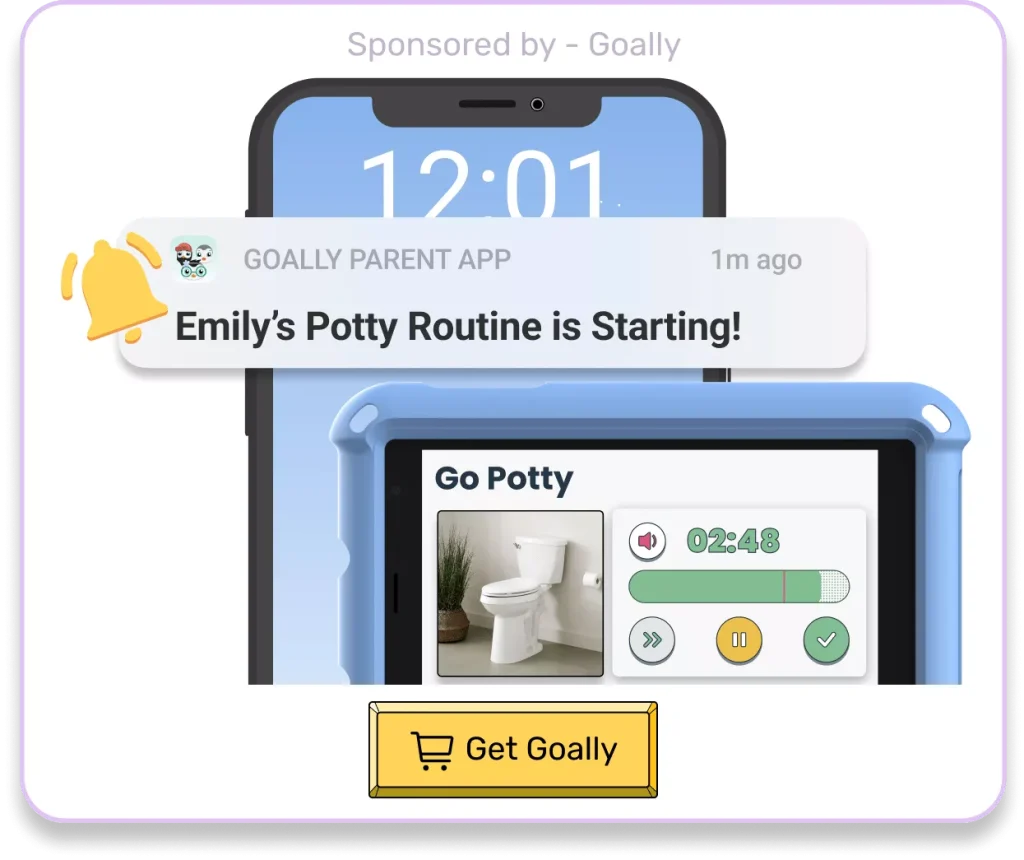
Does your child struggle with getting ready in the morning independently? Goally’s routine app on the best tablet for kids breaks down large tasks into small, achievable steps for autistic kids. Create custom routines with your own videos & pictures for every step.
- Avoiding or withdrawing from touch
- Becoming distressed during grooming or dressing
- Preferring certain textures or clothing materials
- Disliking messy play or activities
- Overreacting to minor injuries or discomfort
Strategies to Help Your Child
Now that we’ve identified the signs let’s explore some strategies to help your child cope with hypersensitivity to touch:
Create a sensory-friendly environment
Minimize exposure to uncomfortable textures and materials in your home. For example, choose soft, tag-free clothing and bedding, and avoid scratchy fabrics. Goally offers a range of sensory tools and resources that can help you create a comfortable environment for your child.

Read more: Kids Hypersensitivity Test
Introduce new textures gradually
Encourage your child to explore different textures in a controlled and supportive setting. Start with less challenging materials and gradually progress to more challenging ones. This can be through activities like sensory bins, finger painting, or play dough.
Supporting Your Child in Daily Life
In addition to the strategies mentioned above, there are practical ways to support your child in their daily life:
Prepare for outings
When planning outings, consider potential sensory challenges and prepare accordingly. Bring along preferred clothing, sensory tools, or calming strategies. Goally’s learning tablet can also be a helpful tool for providing visual schedules and reminders during outings.

Read more: Autism Touch Sensitivity in Kids
Establish routines
Consistent routines can help reduce anxiety and provide predictability for your child. Incorporate sensory breaks and calming activities into their daily schedule. Goally’s apps can assist in creating and maintaining routines tailored to your child’s needs.
Educate others
Inform teachers, family members, and friends about your child’s sensory needs and preferences. This will help create a supportive network for your child. Moreover, it’s essential to teach your child to communicate their sensory needs and preferences to others, empowering them to advocate for themselves in various settings.
Seek professional support
If your child’s hypersensitivity to touch significantly impacts their daily life, consider seeking guidance from an occupational therapist or other professionals experienced in sensory processing issues.
Tired of Emotional Meltdowns?
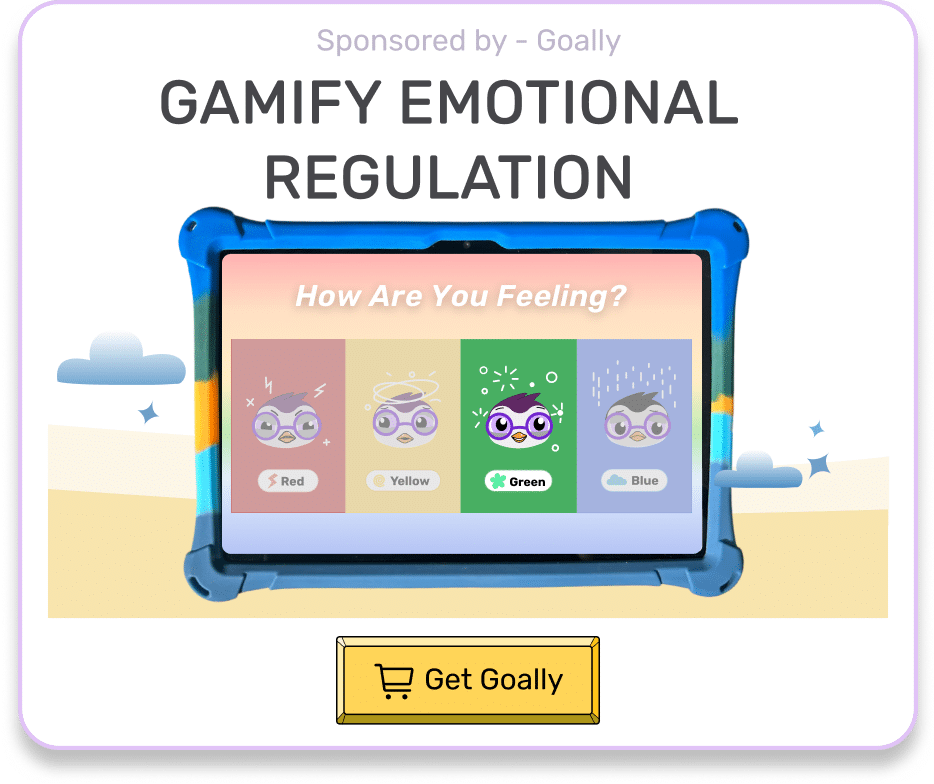
Goally’s Mood Tuner app has activities for kids with BIG emotions. Teach kids how to tune their mood with Goally. See fewer meltdowns.
The Mood Tuner app encourages kids to look inwards and identify their feelings, helping them understand what’s going on inside. Once they’ve recognized their emotions, they can choose from a 20+ activities designed to help them self-regulate and find their balance.
Hypersensitivity to touch can be a challenging aspect of life for neurodivergent kids and their families. By understanding the causes and signs, implementing helpful strategies, and providing daily support, you can create a more comfortable and supportive environment for your child. Remember, every child is unique, and finding the right combination of strategies may take time and patience. But with persistence and understanding, you can help your child thrive and navigate their sensory world with confidence.
This post was originally published on 05/18/2023. It was updated on 09/05/2023.

Goally
We help parents teach their kids life skills, like doing bedtime and morning independently. Backed by science, we incorporate evidence-based practices and expert-informed designs in all of our apps and content.