When it comes to understanding autism, monotropism is a game-changer. This theory offers a fresh perspective on the attention patterns of neurodivergent kids, providing valuable insights for parents and caregivers. In this blog post, we’ll explore the concept of autism and monotropism, discuss its implications, and share practical strategies to support your child’s unique attention style. So, let’s get started with this fascinating topic!
Table of Contents
Goally | Visual Scheduler for Autism

Does your child struggle with getting ready in the morning independently? Goally’s routine app on the best tablet for kids breaks down large tasks into small, achievable steps for autistic kids. Create custom routines with your own videos & pictures for every step.
What is Monotropism?
Monotropism is a theory that explains the unique attention patterns often observed in kids with autism. Coined by Dinah Murray, Mike Lesser, and Wenn Lawson, the term refers to the tendency to focus intensely on a single interest or activity, sometimes to the exclusion of everything else. This contrasts with the more common multitropic attention style, where attention is across multiple interests or activities.
Characteristics of Monotropic Attention
Some critical features of monotropic attention in kids with autism include:
- Deep focus: The ability to concentrate intensely on a single interest or activity for extended periods.
- Exclusion of other stimuli: Difficulty processing or responding to other sensory inputs while engaged in the primary interest.
- Resistance to change: A preference for routine and predictability, with potential distress when faced with unexpected changes.
Understanding these characteristics can help parents and caregivers better support their child’s unique attention style, ultimately improving their overall well-being and development.
Why is Monotropism Important for Understanding Autism?
Autism and monotropism are closely connected, as the monotropic attention style can help explain many of the behaviors and traits commonly associated with autism. For example, the intense focus on a single interest can lead to the development of exceptional skills and knowledge in that area. However, it can also result in challenges with social interaction, communication, and flexibility.
By recognizing the role of monotropism in autism, parents and caregivers can better understand their child’s unique attention style and develop strategies to support their growth and development. This can lead to improved communication, social skills, and overall well-being for kids with autism.
Strategies to Support Monotropic Attention in Kids with Autism
Here are some practical tips for parents and caregivers to help support their child’s monotropic attention style:
1. Embrace and Encourage Their Interests
One of the best ways to support a child with autism and monotropism is to embrace their interests and use them as a foundation for learning and growth. This can help build self-esteem, foster a love of learning, and provide opportunities for social interaction with others who share the same interest.

Read more: Attention to Details In Autistic Kids
Goally, for instance, offers a learning tablet for kids that can be for their specific interests, making it an excellent tool for engaging your child in their passions while also promoting skill development.
2. Create a Predictable Environment
Since kids with monotropic attention often struggle with change, creating a predictable environment can help reduce anxiety and promote a sense of security. Establish routines, provide visual schedules, and prepare your child for any upcoming changes in advance.
| Environment | How to Create Predictability |
|---|---|
| Home | Establish daily routines, use visual schedules, and maintain consistent rules and expectations. |
| School | Work with teachers to create a consistent schedule, provide visual aids, and offer support during transitions. |
| Community | Prepare your child for new experiences by discussing what to expect, practicing coping strategies, and offering reassurance. |
3. Teach Flexibility and Adaptability
While it’s essential to respect your child’s need for routine, it’s also important to teach them how to cope with change. Gradually introduce small changes to their daily routine and provide support as they learn to adapt. Encourage problem-solving and model flexible thinking to help them develop these crucial life skills.
For example, you might start by making minor adjustments to their morning routine, such as changing the order of activities or introducing a new breakfast option. Over time, these small changes can help your child become more comfortable with unpredictability and better equipped to handle larger transitions.
4. Develop Social Skills Through Shared Interests
Using your child’s interests as a basis for social interaction can help them develop social skills in a more comfortable and engaging context. Look for clubs, classes, or online communities that focus on their interests, and encourage them to participate and connect with others who share their passion.

For instance, if your child loves art, consider enrolling them in a local art class or joining an online forum where they can share their creations and discuss techniques with other art enthusiasts. This can provide a supportive environment for practicing social skills while also nurturing their interests.
5. Be Patient and Supportive
Lastly, remember that supporting a child with autism and monotropism requires patience and understanding. Be prepared to adapt your approach as needed, and always celebrate your child’s achievements, no matter how small they may seem.
Goally’s learning tablet and apps can be a valuable resource in this journey, offering customizable tools and features to support your child’s unique attention style and help them reach their full potential.
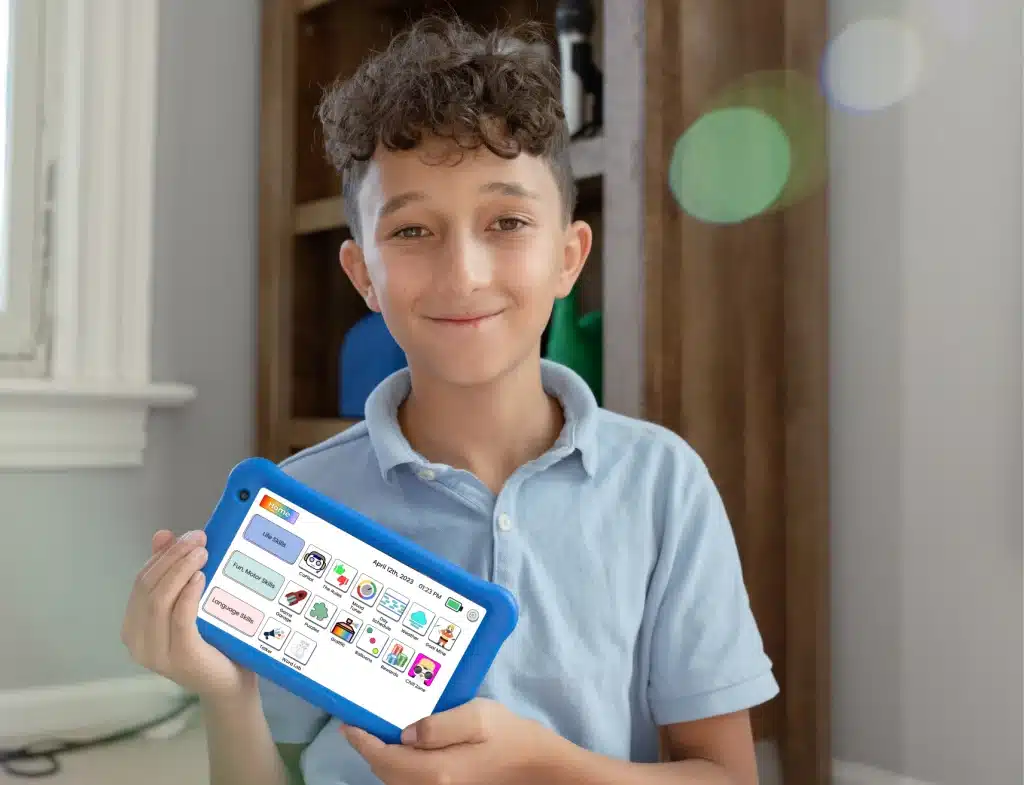
Give your kid an independent future. Goally has 15+ learning apps that teach life skills. There are NO web browsers, social media, or YouTube.
Our apps teach executive function, language, emotional regulation, finger dexterity skills, and more. It also 100+ video classes teaching social skills.
Embracing the Unique Attention Style of Kids with Autism
Understanding the connection between autism and monotropism can provide valuable insights for parents and caregivers of neurodivergent kids. By recognizing and supporting their unique attention style, you can help your child thrive and reach their full potential. So, let’s celebrate the incredible depth of focus and passion that monotropic attention brings, and use it as a foundation for growth and success.
This post was originally published on 05/18/2023. It was updated on 07/11/2023.

Goally
We help parents teach their kids life skills, like doing bedtime and morning independently. Backed by science, we incorporate evidence-based practices and expert-informed designs in all of our apps and content.