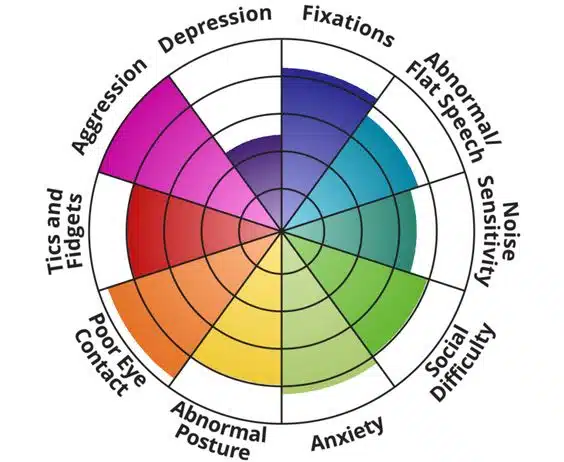
Age of Recognition refers to when a child’s developmental differences become noticeable. It’s the point when parents or doctors start to see signs that a kid might need extra support or have a developmental disability.



Age of Recognition refers to when a child’s developmental differences become noticeable. It’s the point when parents or doctors start to see signs that a kid might need extra support or have a developmental disability.


Can the age of recognition vary from person to person?
Yes, the age of recognition can vary widely depending on the individual and the condition. Some neurodivergent traits may be recognized in infancy or early childhood, while in other cases, it may not be recognized until adolescence or adulthood.
What factors can influence the age of recognition?
Factors such as race, gender, and socioeconomic status can impact the age of recognition. Individuals from marginalized communities may face additional barriers to recognition and diagnosis due to systemic bias and lack of access to resources.
Can the age of recognition change over time?
Yes, the age of recognition can change depending on the individual and their circumstances. Some neurodivergent traits may be evident from infancy or early childhood, while others may not be recognized until adolescence or adulthood.


Age of Recognition is the developmental stage at which atypical patterns in a child’s behavior, communication, or cognitive abilities become apparent and identifiable. This critical period often prompts further evaluation and can lead to early intervention strategies, which are crucial for optimal developmental outcomes.

Age of Recognition helps identify kids who might need extra support. Here’s how it works:
| Developmental Area | Common Age of Recognition |
|---|---|
| Autism Spectrum Disorder | 18-24 months |
| ADHD | 3-7 years |
| Learning Disabilities | 5-9 years |
Remember, every child develops at their own pace. If you have concerns, don’t hesitate to talk to your pediatrician.
This post was originally published on May 4, 2023. It was updated on August 11, 2024.