

As someone who works closely with children, I’ve seen firsthand the challenges that neurodiverse kids and their parents face. Recognizing the signs of Attention Deficit Disorder (ADD) early can make a significant difference in managing it effectively. To support you, I’ve created this ADD test specifically designed for parents. This resource will help you identify whether your child might need a professional evaluation. Dive into our blog for practical tips and essential information to support your child’s unique journey.
Table of Contents
Understanding ADD in Kids: An Overview
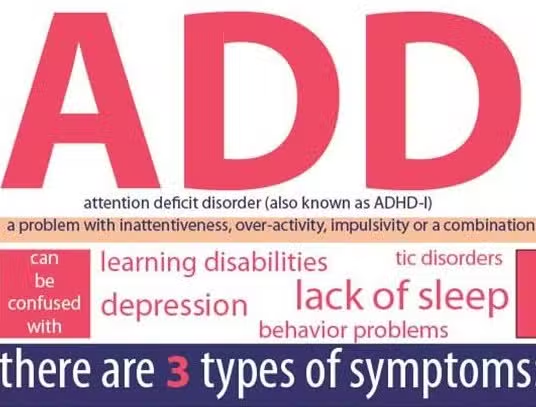
ADD, a subtype of Attention Deficit Hyperactivity Disorder (ADHD), manifests through inattention, disorganization, and forgetfulness. It’s important to note that it doesn’t entail hyperactivity, which can cause misdiagnosis or result in its being overlooked in certain cases. Accurately identifying and treating ADD requires understanding this crucial distinction.
- Early detection: Spotting ADD early is critical to giving your child the proper support and tailored interventions. Research has shown that early intervention can lead to better long-term outcomes. It’s like getting a head start on your child’s success!
- Recognizing symptoms: Children with ADD might struggle with task initiation, sustaining attention, organization, time management, and emotional regulation. Use this list to monitor your child’s behavior, but remember that all children will exhibit some of these behaviors from time to time.
- Semantic keywords: Be on the lookout for related terms such as “inattentive type,” “distractibility,” “working memory,” “executive functioning,” and “impulsivity” when researching ADD to ensure a comprehensive understanding.
The Science Behind ADD: Further Insights
As a parent or caregiver, it’s vital to understand the ins and outs of ADD in order to be able to provide the very best support for your special needs child. So, let’s dive into some scientific insights about ADD, to help you better understand what’s going on in your child’s mind:
- Neurobiology – Did you know that people with ADD have neurobiological differences in their brain structure and function? These differences usually affect areas responsible for attention, executive functions, and impulse control. By realizing and understanding this, you can help your child bolster these areas with targeted strategies and exercises.
- Genetics – Research shows that genetics play a role in ADD. If someone in your family has ADD, there’s a higher chance your child could too. Knowing this helps you be better prepared to address your child’s needs. It’s all about being proactive and informed as a parent..
- Environmental factors – It’s not all about genetics, though. Certain environmental factors can play a role in the development of ADD. Possible causes of ADD include prenatal toxin exposure, low birth weight, and brain injury.
By considering these scientific insights, you’ll be better equipped to support your child and manage their ADD effectively. Always remember that as a parent, you play a vital role in your child’s success and well-being.

Read More: Why Is ADHD So Genetic?
Diagnosing ADD: Collaborative Assessment
Diagnosis of ADD requires a comprehensive assessment conducted by a professional, usually a pediatrician, psychologist, or psychiatrist. While our ADD test for child will offer valuable insights, it is also crucial to seek a professional evaluation. Let’s explore the diagnostic process:
- Interviews: We gather info by interviewing parents, teachers, and the child to understand their behavior and development across various settings.
- Questionnaires and rating scales: Professionals will employ standardized, data-driven tools to gather in-depth information about the child’s behavior and compare it to age-appropriate norms.
- Observations: Observe your child in different settings to uncover behavior patterns that may have been missed during interviews or questionnaires.
- Assessment of other factors: It is essential to rule out other possible causes or co-occurring conditions that might explain your child’s symptoms. The diagnostic process will consider learning disabilities, anxiety, depression, and other factors that can have similar symptoms to ADD.
Read More: Autism Test for Kids
Supporting Your Child With ADD: Strategies and Interventions
Parenting a neurodivergent child is a unique journey that requires an open mind, adaptability, and, most importantly, unconditional love. Here are some crucial strategies you can implement:
| Strategy | Description |
|---|---|
| Routine & Structure | Create consistent daily routines and organized environments to reduce distractions and provide a sense of stability. |
| Break tasks into smaller parts | Divide complex tasks into smaller, manageable steps to help your child succeed and build confidence in their abilities. |
| Support organizational skills | Teach your child time management, organization, and planning techniques to develop lifelong skills. |
| Celebrate strengths | Focus on your child’s strengths, talents, and interests, and encourage them to pursue what makes them unique and happy. |
Professional Support: Building a Team
Collaborating with a team of professionals is essential for providing your child the best care and support. Here are some experts you may have on your child’s support team:
- Pediatrician: A pediatrician will monitor your child’s overall health and support the management of ADD symptoms.
- Child psychologist: A psychologist can offer valuable insights into your child’s cognitive, social, and emotional development. They can give advise on therapies and help you develop effective strategies for managing ADD symptoms.
- Special education teacher: As educational experts, they play a crucial role in ensuring your child receives the necessary academic support and accommodations.
- Speech and language therapist: A speech and language therapist will assess and deal with any ADD-related communication difficulties.
- Occupational therapist: An occupational therapist helps children with ADD develop the necessary skills for daily living and self-care.
Goally’s ADD Test Child Assessment and Beyond
As promised, our assessment will give you useful insights. When ready, take Goally’s 10-question test, designed for parents to spot early signs of ADD in their child. Remember, this test is not a diagnosis. Use it as a first step to understand your child’s potential neurodiversity, and consider getting professional advice for further help.
Supporting Your Child’s Social and Emotional Development
Part of raising a neurodivergent child with ADD involves fostering their social and emotional growth. Here are some strategies to support your child in these areas:
- Model empathy: Teach your child to understand and express their emotions, and encourage them to recognize and empathize with the feelings of others.
- Encourage friendships: Help your child develop healthy, supportive friendships by encouraging playdates, joining clubs, or participating in group activities.
- Build resilience: Equip your child with coping strategies for setbacks and challenges, and help them understand that it’s okay to ask for help when needed.
- Promote self-advocacy: Teach your child to recognize their strengths and challenges and to confidently communicate their needs with others.
- Develop problem-solving skills: Encourage your child to think through situations, weigh pros and cons, and determine possible solutions.

Read more: Autism Spectrum Test Child
Technology and Tools for Empowering Your Child with ADD
Technology offers many tools and resources to support and empower children with ADD. Here are some examples:
- Learning apps: Educational apps and platforms can help improve attention, executive function, and memory through engaging and interactive content.
- Organizational tools: Digital planners, calendars, and reminders can help your child stay organized and manage their time effectively.
- Focus-enhancing tools: Apps and devices designed to boost focus, such as noise-canceling headphones or fidget tools, can help your child maintain attention on tasks.
- Goally: A learning tablet and suite of apps specifically designed for neurodivergent kids, providing a personalized, engaging, and adaptable learning experience.
A Word on Self-Care for Parents and Family Members
While it’s essential to fully support your neurodivergent child, remember that self-care and support for parents and other family members is equally important. Here are some tips for maintaining balance and well-being:
- Seek support: Connect with other parents, support groups, or professionals who understand the unique challenges of raising a neurodivergent child.
- Set boundaries: Establish healthy boundaries to ensure time for self-care and relaxation, and remember that it’s okay to seek respite.
- Balance praise and criticism: Acknowledge your successes and improvements, and refrain from self-criticism or blame for perceived shortcomings.
- Stay informed: Educate yourself about ADD, new research, and available resources to stay current and empowered as your child’s advocate.
Try Goally For Your Child With ADHD
Goally helps kids with ADHD stay focused and build skills. Unlike a Kindle or an iPad that kids get easily distracted on, Goally has no YouTube, no social media, no web browser, and especially no ads.
Goally uses game play as a points-based motivator for your kiddo with ADHD and helps them learn emotional regulation skills. It’s simple to set up and has an expert-informed design.

In conclusion, as a parent of a neurodivergent child, your journey will be filled with unique opportunities, amazing discoveries, and boundless love. By embracing neurodiversity and equipping your child with the right resources and support, you can create an inspiring environment where they can truly thrive. Our ADD test for children, professional support, and the resources at your fingertips will gladly serve as guides on this remarkable journey.
Resources:
- Centers for Disease Control and Prevention (CDC)
- CHADD (Children and Adults with Attention-Deficit/Hyperactivity Disorder)
- American Academy of Pediatrics (AAP)
FAQs About ADD Child Test
What is an ADD test for children?
An ADD test for children is an assessment, typically conducted by a licensed professional, to help identify and diagnose Attention Deficit Disorder (ADD) in kids.
How can visual schedules help children with ADD?
Visual schedules provide clear, structured visual cues that can help children with ADD stay organized, manage time, and improve their daily routine.
How do emotional regulation apps assist kids with ADD?
Emotional regulation apps guide children with ADD to recognize, understand, and manage their emotions, ultimately boosting emotional intelligence and self-regulation.
Why are rewards important in managing ADD in children?
Rewards motivate and reinforce positive behaviors, helping children with ADD to develop self-discipline and a sense of accomplishment.
Can early intervention improve outcomes for children with ADD?
Yes, early intervention and support can significantly enhance academic, social, and emotional outcomes for children with ADD, fostering resilience and personal growth.
This post was originally published on May 1, 2023. It was updated on July 19, 2024.

Goally
We help parents teach their kids life skills, like doing bedtime and morning independently. Backed by science, we incorporate evidence-based practices and expert-informed designs in all of our apps and content.




