Who is eligible for the transition to adulthood program?
Eligibility typically includes young people with special needs, such as disabilities or developmental challenges, who are approaching adulthood and require assistance in achieving independence and self-sufficiency.
When should transition to adulthood planning begin?
Transition to adulthood planning should begin as early as possible, ideally in middle or high school, to ensure that young people have the necessary skills, resources, and supports to make a successful transition.
Who can help with transition to adulthood planning?
There are many professionals and community resources that can help with Transition to Adulthood planning, including guidance counselors, vocational rehabilitation programs, disability services offices, healthcare providers, and independent living centers.
What are some common challenges during the transition to adulthood period?
Common challenges during the transition to adulthood period for children with special needs include finding appropriate post-secondary education or employment opportunities, managing healthcare needs, and navigating the complexities of independent living.



Transition to Adulthood program are designed to assist young individuals with special needs during the crucial period of transitioning from adolescence to adulthood. Here’s how they work:
| Concept | Description |
| Assessment | Participants undergo a comprehensive assessment to identify their specific needs, strengths, and challenges. |
| Personalized Planning | A customized plan is developed, encompassing education, employment, housing, healthcare, and life skills, tailored to each individual’s requirements. |
| Access to Resources | These programs provide access to a network of resources, including vocational training, job placement services, healthcare support, and educational opportunities. |
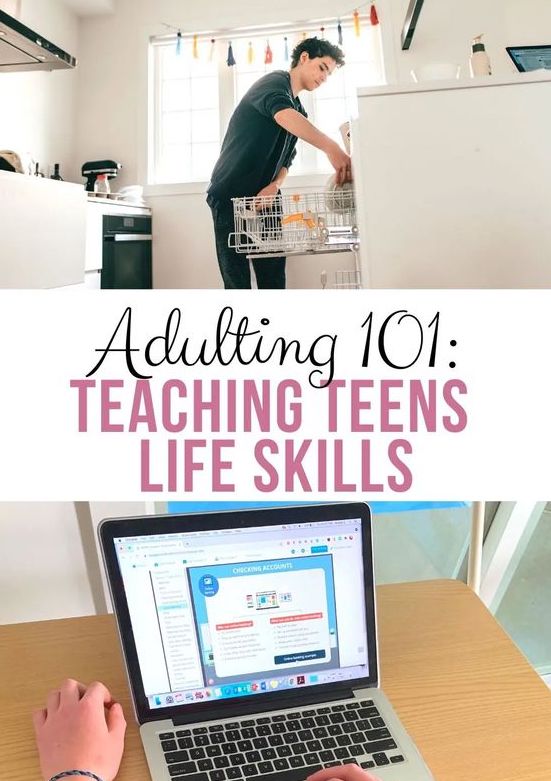
| Skill Development | Life skills, such as financial literacy, communication, and independent living, are taught to enhance participants’ self-sufficiency. |
| Peer Support | Participants often engage with peers who share similar experiences, fostering a supportive community. |
| Monitoring and Adjustments | Progress is monitored, and plans are adjusted as needed to ensure participants are on track to achieve their goals. |
| Independence | The ultimate goal is to empower young individuals to become independent, self-sufficient adults who can contribute positively to society. |
Remember, every journey is unique, and these programs adapt to individual needs and circumstances, offering valuable support and guidance.
This post was originally published on April 17, 2023. It was updated on Jan. 7, 2024.