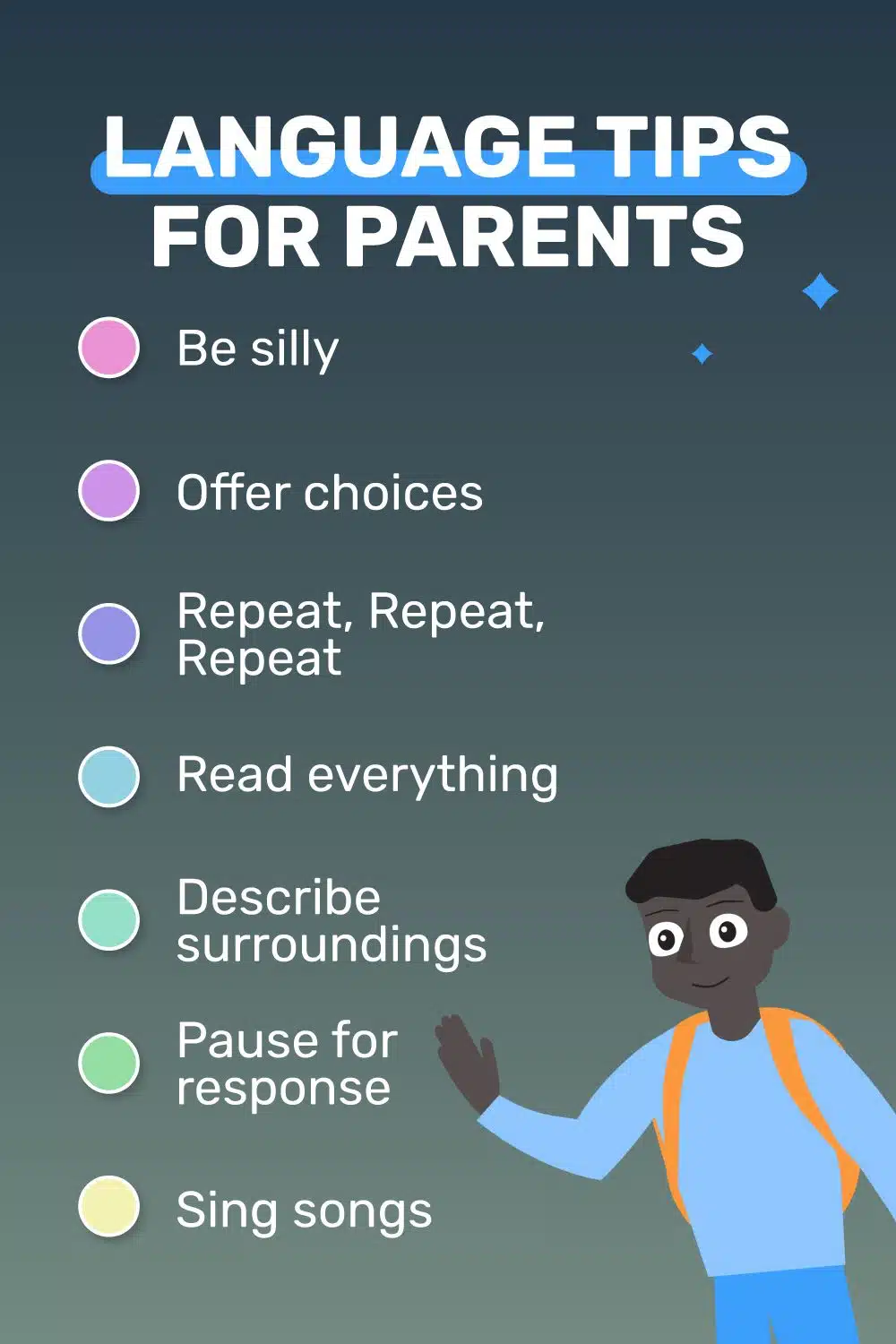
Language expansion is when kids with special needs learn to use more words and communicate better. It’s like adding more tools to their toolbox for talking and expressing themselves.



Language expansion is when kids with special needs learn to use more words and communicate better. It’s like adding more tools to their toolbox for talking and expressing themselves.


Why is language expansion important for children with special needs?
Language expansion is vital because it empowers these children to express themselves more effectively, fostering better connections with their caregivers, peers, and educators.
When should I start using language expansion with my child?
It’s best to start as early as possible, tailoring the approach to your child’s developmental stage and needs. Early intervention can lead to more significant progress.
Can language expansion be applied to children with various special needs?
Yes, language expansion can be adapted to suit the specific needs of children with a range of conditions, including autism, speech disorders, and developmental delays.
Are there any resources or tools available to help parents with language expansion?
Yes, there are plenty of books, online resources, and support from speech therapists or special education professionals to guide parents in implementing language expansion effectively with their children.


Language expansion, in the context of neurodiversity and child development, refers to the intentional effort to enhance a child’s ability to express themselves more effectively. This involves gradually increasing the complexity and length of their spoken or written language. It’s a supportive approach to help children with special needs, such as autism or speech disorders, build their communication skills. Language expansion encourages kids to use more words, create more detailed sentences, and express their thoughts and feelings with greater depth and clarity. This process aids in promoting effective communication and fostering a stronger connection between children and their caregivers or educators.

Language expansion is a simple but effective technique that can make a big difference in the communication skills of kids with special needs. Here’s how it works:
Language expansion empowers kids with special needs to express themselves more fully. By modeling, practicing, and using prompts, children can improve their communication skills, fostering better connections with those around them.
This post was originally published on April 2, 2023. It was updated on Nov. 6, 2023.