As someone who works with kids, I’ve seen firsthand how stress can affect kids. Whether it’s school pressures, social anxiety, or family changes, children need tools to manage their emotions. That’s why I’m excited to share these relaxation techniques for kids. They’re not just fun – they’re powerful tools that can help children navigate life’s challenges. Google defines relaxation techniques as “methods to reduce stress and tension by consciously relaxing the body and mind.” These techniques are especially valuable for kids, helping them develop emotional resilience from an early age. Ready to explore some ways to help your child find their calm? Let’s get started!
Table of Contents
1. Deep Breathing: The Foundation of Calm
Deep breathing is like a superpower for kids. It’s simple, yet incredibly effective. I often start my sessions by teaching children how to take deep, belly breaths. It’s amazing to see how quickly they can go from fidgety to focused.
Try this: Have your child lie down and place a small stuffed animal on their belly. Ask them to breathe so deeply that the toy rises and falls with each breath. It’s a fun, visual way to practice deep breathing that kids love.
Read more: 5 Relaxing Ways To Have Fun With Your Kids
2. Progressive Muscle Relaxation: From Toes to Head
This technique involves tensing and then relaxing different muscle groups. It’s a great way for kids to understand the difference between tension and relaxation in their bodies. Plus, it can be turned into a fun game.
Here’s how: Start with the toes and work your way up. Have your child pretend they’re squeezing a lemon with their toes, then let it go. Move to the legs (pretend they’re standing in mud), then the stomach (imagine a elephant sitting on their tummy), and so on. By the end, they’ll feel like a soft, relaxed noodle!
3. Guided Imagery: Adventures in the Mind
Guided imagery is like a mini-vacation for the mind. It’s particularly helpful for kids with vivid imaginations. I’ve seen children transform from anxious to peaceful just by visualizing a calm, happy place.
Try this: Ask your child to close their eyes and imagine they’re on a warm, sunny beach. Guide them through the experience – feeling the sand between their toes, hearing the waves, smelling the salty air. It’s a powerful way to shift their focus from stress to serenity.
4. Mindfulness Activities: Present Moment Awareness
Mindfulness isn’t just for adults. Kids can benefit enormously from learning to focus on the present moment. It helps them step back from worries about the future or regrets about the past.
A simple exercise: Have your child sit quietly and identify five things they can see, four things they can touch, three things they can hear, two things they can smell, and one thing they can taste. This grounding technique helps bring them into the present moment.
5. Yoga for Kids: Stretching into Serenity
Yoga combines physical movement with breathing and mindfulness, making it a triple threat against stress. Don’t worry – kid’s yoga doesn’t have to be serious or complicated. In fact, the sillier, the better!
Try animal poses: Have your child stretch like a cat, balance like a flamingo, or roar in lion’s pose. Not only does this help them relax, but it’s also great for developing body awareness and coordination.
6. Art Therapy: Coloring Away Stress
Art can be incredibly soothing for kids. The repetitive motions of coloring or drawing can have a meditative effect, helping to quiet racing thoughts and promote relaxation.
Idea: Keep a stash of coloring books and art supplies handy. When your child seems stressed, invite them to color or draw. You might be surprised at how quickly they calm down. Bonus points if you join in – it’s a great way to bond and relax together!
7. Music and Movement: Dance Those Worries Away
Music has an incredible ability to influence our mood. For kids, combining music with movement can be a powerful way to release tension and boost happiness. I’ve seen even the most reluctant kids light up when given the chance to dance it out.
Try this: Create a ‘happy playlist’ with your child. When stress levels are high, put on the music and have a spontaneous dance party. It’s hard to stay worried when you’re grooving to your favorite tunes!

Read more: Relaxing Music for Kids: Top Tunes to Help Neurodiverse Kids Unwind
8. Positive Affirmations: Building Self-Confidence
Teaching kids to use positive affirmations can help them develop a more optimistic outlook and build resilience against stress. It’s like giving them a mental toolkit to combat negative thoughts.
Here’s how: Help your child come up with a few simple, positive statements like “I am brave,” “I can handle this,” or “I am loved.” Encourage them to repeat these affirmations when they’re feeling stressed or anxious. Over time, these positive thoughts can become automatic, boosting their confidence and calm.
9. Nature Connection: Finding Peace Outdoors
There’s something inherently calming about nature. Spending time outdoors can help reduce stress hormones and promote a sense of well-being. For kids, it’s also a great way to burn off excess energy and stimulate the senses.
Activity idea: Go on a nature scavenger hunt. Make a list of items to find (like a smooth stone, a yellow leaf, or a pinecone) and explore a local park or your backyard. This combines the benefits of fresh air, physical activity, and mindful observation.
10. Bubble Breathing: A Visual Breathing Exercise
This technique combines deep breathing with a visual element, making it particularly effective for younger children. It’s a fun way to practice slow, controlled breathing.
How to do it: Give your child a bubble wand and solution. Encourage them to take a deep breath in, then blow out very slowly to create the biggest bubble they can. The key is to exhale slowly and steadily. Not only is this relaxing, but it’s also just plain fun!
| Technique | Benefits | Best For |
|---|---|---|
| Deep Breathing | Reduces anxiety, improves focus | All ages, quick stress relief |
| Progressive Muscle Relaxation | Releases physical tension, improves body awareness | School-age children, before bedtime |
| Guided Imagery | Reduces stress, enhances creativity | Children with vivid imaginations |
| Mindfulness Activities | Improves focus, reduces anxiety | Older children, daily practice |
| Yoga for Kids | Improves flexibility, promotes calm | Active children, family activity |
Tired of Emotional Meltdowns?
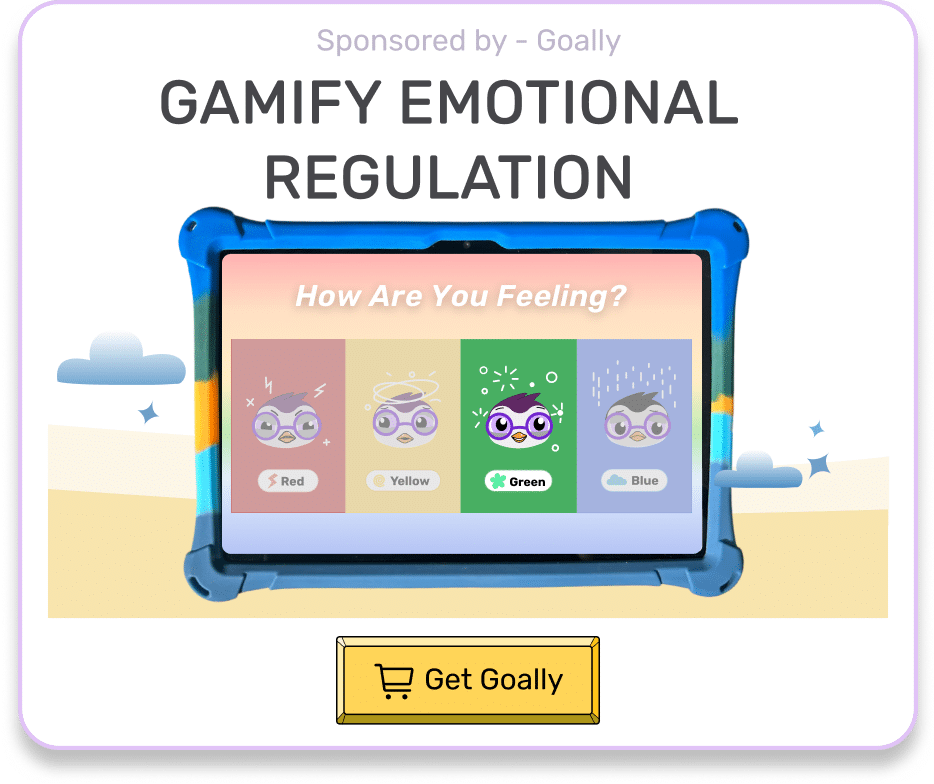
Goally’s Mood Tuner app has activities for kids with BIG emotions. Teach kids how to tune their mood with Goally. See fewer meltdowns.
The Mood Tuner app encourages kids to look inwards and identify their feelings, helping them understand what’s going on inside. Once they’ve recognized their emotions, they can choose from a 20+ activities designed to help them self-regulate and find their balance.
Helping kids learn to relax isn’t just about managing stress – it’s about giving them lifelong tools for emotional regulation and well-being. Each child is unique, so don’t be discouraged if some techniques work better than others. The key is to make relaxation a regular, enjoyable part of your child’s routine. With practice, these skills can become second nature, helping your child navigate life’s ups and downs with greater ease and confidence. Remember, a relaxed child is a happier, more resilient child – and that’s something every parent wants for their little one.
Resources:
FAQs about Relaxation Techniques for Kids
What are some simple relaxation techniques for kids?
Simple techniques include deep breathing, stretching, and listening to soothing music. These can help kids relax and manage stress effectively.

How can deep breathing help my child relax?
Deep breathing increases oxygen flow to the brain, helping reduce anxiety and promoting a sense of calm. It's easy to teach and practice anywhere.

Are there any specific exercises for neurodivergent kids?
Yes, exercises like Bee Breath and animal breathing techniques can be particularly soothing for neurodivergent kids. These methods combine fun and relaxation.

Can physical exercise help my child relax?
Absolutely, physical exercise like running or dancing helps release endorphins, improving mood and reducing stress. It's important to make it enjoyable.

How can mindfulness benefit my child?
Mindfulness helps kids become more aware of their thoughts and feelings, leading to better emotional regulation. Simple practices can be incorporated daily for lasting benefits.

Hennah is an experienced writer and researcher, helping children with autism, ADHD, and other neurodivergent conditions. As a blog contributor for Goally, she combines her deep understanding of neurodiversity with practical advice, offering valuable insights to parents and educators.