Behavior therapy for ADHD helps kids learn good behavior through positive reinforcement and structured routines. It teaches them how to manage their actions and emotions better.



Behavior therapy for ADHD helps kids learn good behavior through positive reinforcement and structured routines. It teaches them how to manage their actions and emotions better.


What is behavior therapy for ADHD?
Behavior therapy for ADHD helps kids learn good behavior through positive reinforcement and structured routines.
How does behavior therapy benefit kids with ADHD?
It improves attention, reduces impulsivity, and enhances emotional regulation.
Can behavior therapy be done at home?
Yes, parents can use behavior therapy techniques at home to support their child’s progress.
What are some examples of behavior therapy techniques?
Examples include positive reinforcement, consistent routines, and skill-building exercises.


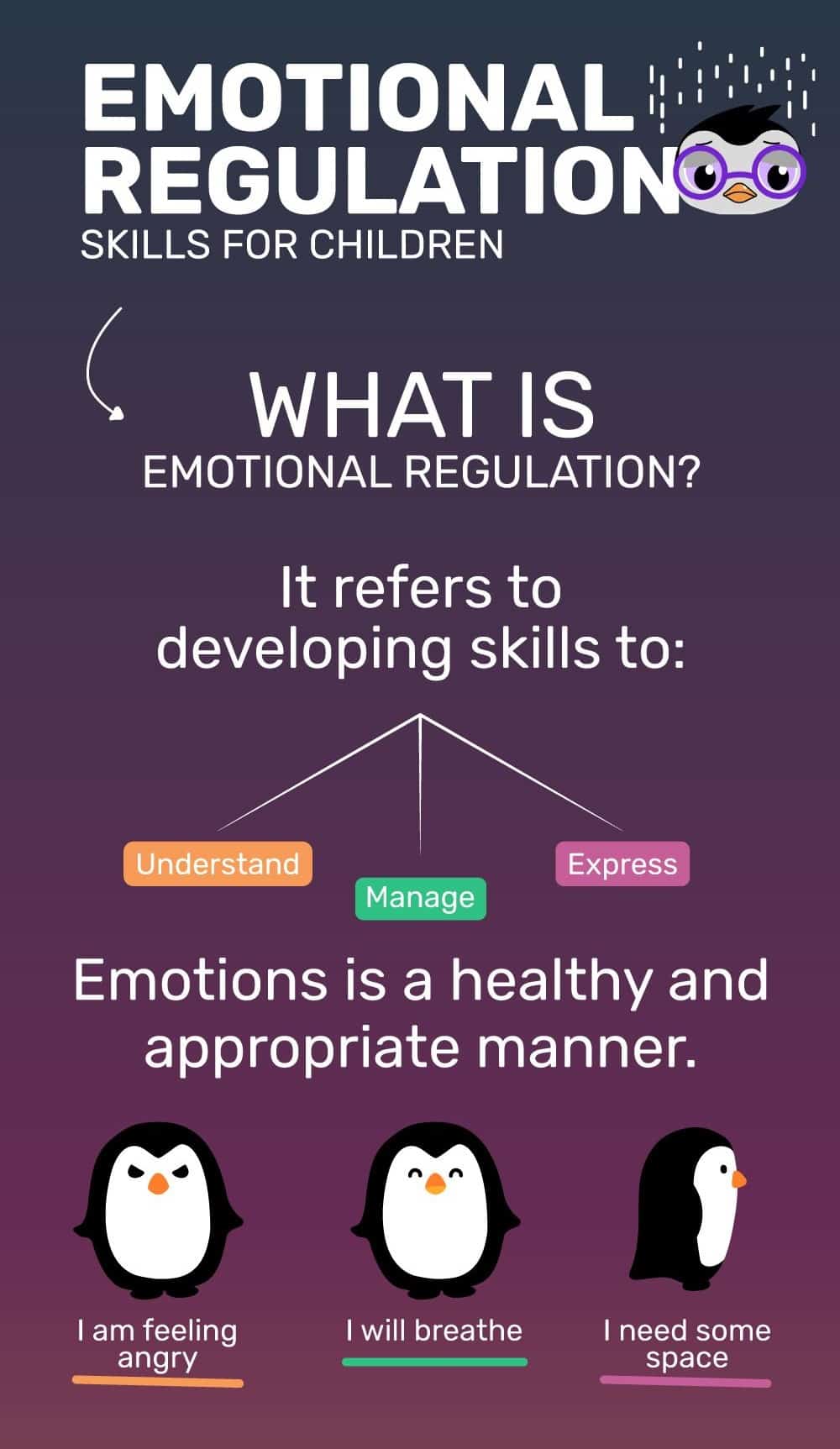
Behavior therapy for ADHD is a therapeutic approach that focuses on modifying a child’s behavior through positive reinforcement, consistent routines, and skill-building techniques. This method aims to improve attention, reduce impulsivity, and enhance emotional regulation in children with ADHD.

Behavior therapy helps kids with ADHD manage their actions and emotions. Here are some examples:
| Technique | Example |
|---|---|
| Positive reinforcement | Giving praise or rewards for completed tasks |
| Consistent routines | Setting a daily schedule for activities |
| Skill-building | Practicing self-control techniques |
| Parental involvement | Parents learning to reinforce positive behavior |
Implementing behavior therapy can greatly improve a child’s ability to manage ADHD symptoms and thrive.