Helping kids choose good friends is a vital part of their development. I’ve seen how friendships can shape a child’s confidence, self-esteem, and overall happiness. Choosing the right friends isn’t just about finding someone to play with; it’s about building relationships that encourage positive growth, respect, and kindness. In this guide, I’ll walk you through how to guide your kids in choosing good friends, ensuring they build strong, healthy relationships that support their well-being.
Table of Contents
Step 1: Define What Makes a Good Friend
The first step in teaching kids how to choose good friends is to help them understand what qualities to look for in a friend. I always emphasize the importance of kindness, respect, and trustworthiness. A good friend is someone who treats them well, shares, listens, and supports them in both good and bad times. Explain to your kids that a friend should make them feel happy and confident, not pressured or sad.
For neurodivergent kids, it might be helpful to create a visual chart of what makes a good friend. You can include simple images or words like “kind,” “helpful,” and “fun to be around.” This helps make the concept more concrete and easier for them to understand. Encourage your kids to think about how their current friends make them feel and whether they exhibit these qualities.
Step 2: Model Good Friendship Behavior
Kids learn a lot from observing the adults around them, so one of the best ways to teach them about choosing good friends is by modeling good friendship behavior yourself. Show your kids what it means to be a good friend by being kind, supportive, and trustworthy in your own relationships. When they see you practicing these behaviors, they’ll be more likely to seek out friends who do the same.
I also like to talk openly with kids about my friendships. Sharing stories about how I chose my friends and what makes our friendship strong can give them real-life examples to emulate. It’s important for kids to see that friendships require effort and mutual respect, and that it’s okay to walk away from relationships that aren’t healthy or supportive.
Step 3: Encourage Open Communication
Open communication is key when helping kids choose good friends. Encourage your kids to talk about their friendships and how they feel about them. Ask questions like, “How do you feel when you’re with your friend?” or “What do you like most about spending time with them?” This helps you gauge whether their friendships are positive and whether they might need guidance in making better choices.
For kids with thinking and learning differences, it might be challenging to express their feelings about friendships. In these cases, I recommend using tools like emotion wheels or storybooks that focus on friendships. These can help them identify and articulate their feelings, making it easier for you to guide them in choosing friends who make them feel good about themselves.
Step 4: Teach Conflict Resolution Skills
Every friendship will encounter conflicts from time to time, and it’s important for kids to learn how to resolve these issues in a healthy way. I always teach kids that disagreements are normal, but how they handle them can either strengthen or weaken a friendship. Teach your kids to use “I” statements, like “I feel upset when…” instead of blaming their friend. This approach encourages open dialogue and understanding.
Read more: Child Not Making Friends at School | How to Help
Role-playing different scenarios can be a helpful way to practice conflict resolution. For example, you can act out a situation where a friend says something hurtful, and guide your child through responding calmly and respectfully. This practice helps them feel more confident when conflicts arise in real life and ensures that they can maintain healthy friendships.
Step 5: Promote Inclusivity and Understanding
Inclusivity is an essential part of choosing good friends. Encourage your kids to be open to friendships with a diverse group of peers. I’ve found that kids who are inclusive tend to build stronger, more meaningful relationships because they learn to appreciate different perspectives and experiences. Teach your kids that good friends come in all shapes, sizes, and backgrounds, and that what matters most is how they treat each other.
For neurodivergent kids, making friends can sometimes be challenging due to differences in communication or social skills. Encourage your child to be patient and understanding with themselves and others. Inclusivity means not only accepting others as they are but also finding friends who accept them as they are. This helps them build friendships based on mutual respect and empathy.
Step 6: Set Boundaries and Recognize Red Flags
It’s important for kids to understand the concept of boundaries in friendships. I always stress that a good friend respects their boundaries and doesn’t pressure them into doing things they’re uncomfortable with. Teach your kids to recognize red flags, such as a friend who frequently excludes them, makes them feel bad about themselves, or encourages negative behavior.
Help your kids practice setting boundaries by giving them the language they need to express themselves. For example, they can say, “I don’t like it when you do that, please stop,” or “I’m not comfortable with this.” Role-playing these scenarios can also help them feel more confident in standing up for themselves. Teaching kids to set boundaries not only helps them choose better friends but also empowers them to maintain healthy relationships throughout their lives.
Step 7: Encourage Friendships Based on Shared Interests
Friendships often flourish when kids share common interests. Encourage your kids to engage in activities they enjoy, whether it’s sports, arts, or hobbies. I’ve noticed that kids who participate in group activities are more likely to meet friends who share their passions and values. These shared interests can serve as a strong foundation for lasting friendships.
If your child is struggling to find friends with similar interests, consider helping them join clubs or groups that align with their passions. For neurodivergent kids, structured environments like these can provide a comfortable space to connect with others who understand and appreciate their unique talents. Finding friends with shared interests helps kids feel more connected and understood, which is key to building strong, supportive friendships.
Step 8: Support Friendships That Encourage Growth
Good friends should challenge your kids to grow and become the best version of themselves. I always encourage kids to choose friends who inspire them, whether it’s by encouraging them to try new things, supporting their goals, or helping them overcome challenges. These kinds of friendships not only make kids feel good but also contribute to their personal development.
Talk to your kids about what they admire in their friends and how these friendships help them grow. Encourage them to seek out friends who are positive influences, and who push them to be kind, courageous, and resilient. By choosing friends who encourage growth, your kids will build relationships that are both meaningful and fulfilling.
Goally | 100+ Streaming Video Classes
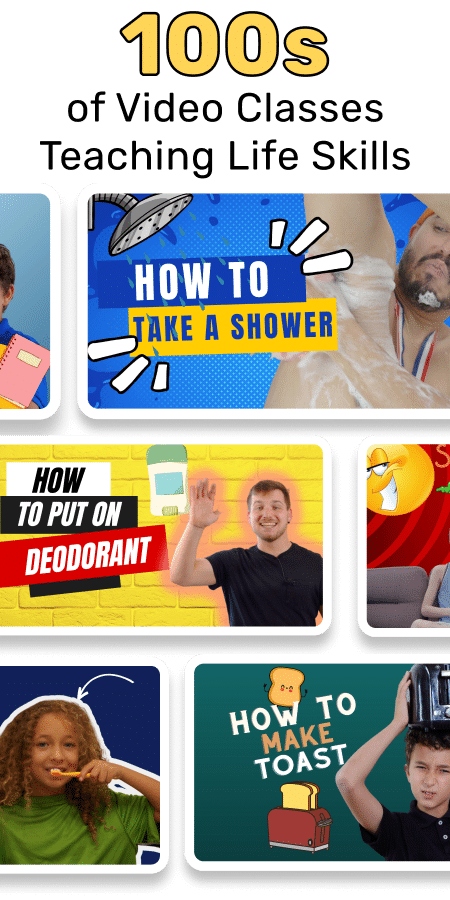
Does your child need some extra guidance on building essential life skills? Goally’s skill building tablet for kids includes a TV app that has the most robust video library of skills training videos for kids. Ranging from content like “How to Brush Your Teeth” to “How to Make Friends at School,” we have dozens of interactive video lessons for kids with thinking and learning differences.
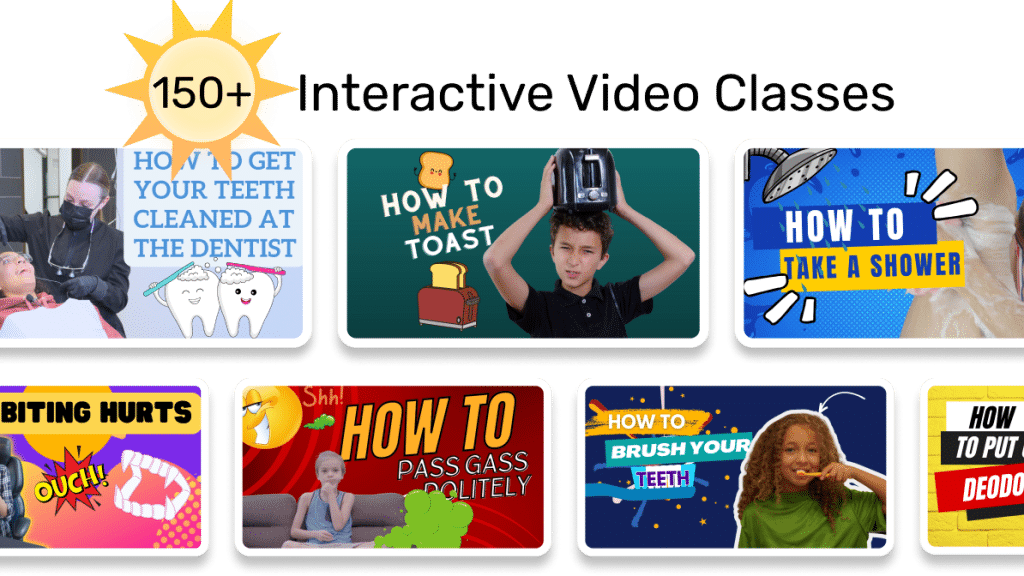
HERE’s a video explaining how to works.
Teaching kids how to choose good friends is about more than just helping them find playmates. It’s about guiding them to build relationships that are based on kindness, respect, and mutual support. By following these steps, you can help your kids navigate the sometimes tricky world of friendships and ensure they surround themselves with people who truly care about them.
Helpful Resources
FAQ’s About How to Choose Good Friends
What is Goally's approach to teaching kids how to choose good friends?
Goally uses task analysis to break down the process of choosing good friends into easy, manageable steps through interactive video classes.

How does Goally help kids understand the concept of friendship?
Goally's video classes use real-life examples and role-play scenarios to help kids understand the importance of mutual respect, trust, and understanding in friendships.

What qualities of good friends does Goally emphasize?
Goally emphasizes honesty, kindness, respect, and reliability as key qualities to look for in good friends.

How does Goally help kids recognize red flags in friendships?
Goally teaches kids to identify signs of unhealthy friendships, such as constant criticism, bullying, manipulation, or disrespect.

How does Goally guide kids in making good friendship choices?
Goally encourages kids to choose friends who share their values and interests, and teaches them to respect and appreciate diversity in friendships.
This post was originally published on 02/22/2024. It was updated on 08/16/2024.

Emily is a seasoned blog writer for Goally, leveraging her extensive background in child psychology and special education to provide valuable insights and resources for parents. Her commitment to understanding and addressing the unique needs of these children, combined with her expertise in educational strategies, makes her a credible and empathetic voice for families.